When it comes to keeping your home comfortable in Florida’s humid climate, choosing the right HVAC system is crucial. With our state’s unique weather conditions, which include high humidity and warm temperatures year-round you might be wondering, what is the most common HVAC system in Florida? Let’s explore the most common HVAC systems in Florida and what you should consider when selecting the right system for your home.
Central Air Conditioners: The Popular Choice
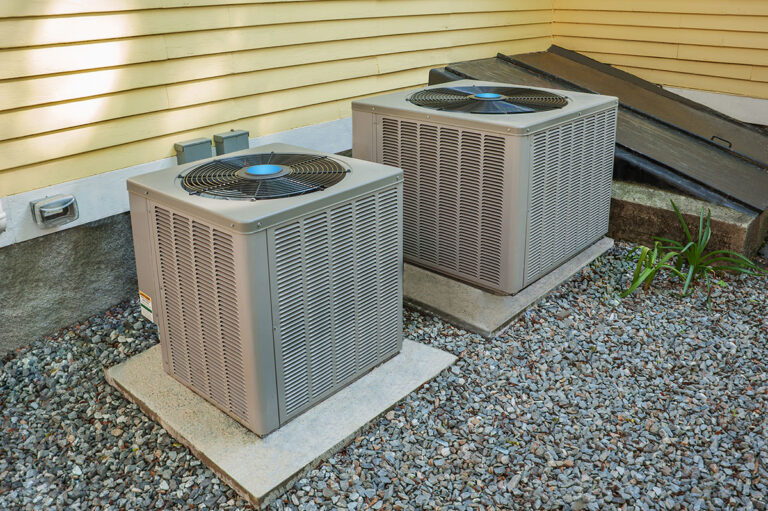
Central air conditioners are the go-to HVAC system for most Florida homes. A central air conditioner is a cooling system that comes with two main parts: an outdoor unit and an indoor unit. The outdoor unit has the condenser and compressor, while the indoor unit has the evaporator coil and air handler. This setup cools your whole house by blowing cool air through a network of ducts. Just a heads-up, central air conditioners only handle cooling—they don’t do heating.
Benefits of Central Air Conditioners
- Efficient Cooling: Central AC systems are highly efficient for cooling large homes and can effectively handle Florida’s high temperatures and humidity.
- Comfortable Indoor Spaces: They provide consistent cool air throughout the home, making them ideal for maintaining comfortable indoor spaces.
- Energy Efficiency: With regular maintenance and a high SEER (Seasonal Energy Efficiency Ratio) rating, central air conditioners can be a cost-effective choice in terms of cooling costs.
Heat Pump Systems: Versatile and Energy-Efficient
Heat pumps are around in Florida, but they’re not as popular in SWFL since we don’t need heat all that much. They’re great because they handle both cooling and heating, making them pretty versatile. A heat pump setup has an outdoor unit and an indoor unit, kind of like a central AC system, but with the extra perk of being able to switch to warm air when it gets cooler.
Advantages of Heat Pumps
- Dual Functionality: Heat pumps can heat and cool your home, which is beneficial for occasional cold spells in Florida.
- Energy Efficiency: They generally consume less electricity compared to separate heating and cooling units, making them a more energy-efficient option.
- Lower Energy Bills: By utilizing geothermal energy or outdoor air, heat pumps can help reduce overall energy costs.
Ductless Mini-Split Systems: A Flexible Solution
If your home doesn’t have ductwork or you just want to cool specific rooms, ductless mini-split systems are a fantastic option. They’re set up with an outdoor unit that connects to one or more indoor units through small pipes that go through the wall. Each indoor unit works on its own, so you can set the temperature for each room individually.
Why Choose Ductless Mini-Splits:
- Zoned Cooling: Ideal for cooling specific areas or rooms, reducing energy consumption in unused spaces.
- Ease of Installation: These systems are often easier and less invasive to install than central AC systems, especially in older homes.
- Energy Savings: They offer high efficiency and less energy consumption due to their ability to focus cooling efforts where needed.
Choosing the Right System for Your Home
Choosing the right HVAC system for your home is all about finding the best fit for your space, budget, and cooling and heating needs. In Florida, most people go with central air conditioning because it’s great for cooling big spaces and dealing with the humidity. But if you’re looking for something different, heat pump systems and ductless mini-splits are also great options—especially if you want something versatile or want to save on energy bills.
Whether you go with a central AC system, a heat pump, or a ductless mini-split system, Dolphin Cooling can help. Contact us today.