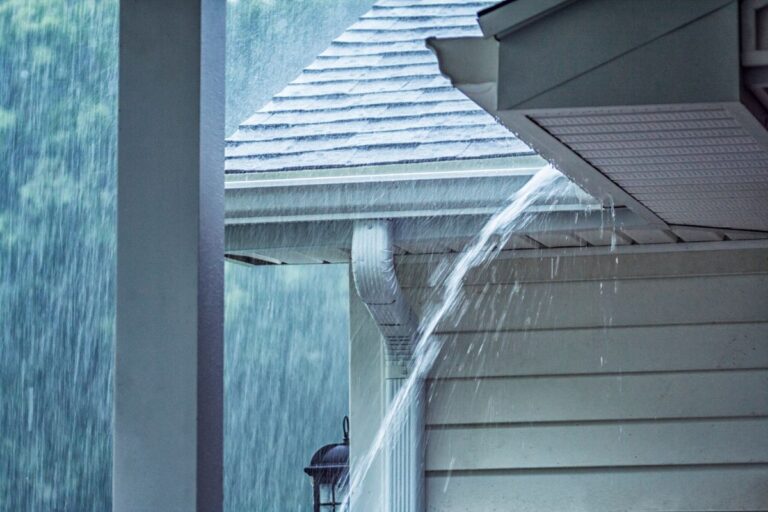

Have you ever wondered what happens to your air conditioner when it rains? Many homeowners feel a little nervous about the safety of their outdoor AC unit when it rains. The good news is that your air conditioner is built with durable materials to handle rain! Let’s dive into how your AC reacts to wet weather, what you should watch out for, and some maintenance tips to keep it running smoothly.
Is Rain Bad for Your AC Unit?
The short answer is no. Modern air conditioners can withstand all types of weather conditions, including rain. The outdoor condenser unit (the part that sits outside your home) is made from durable, weather-resistant materials that can handle rain, snow, and even extreme heat. The rain can actually help by washing away dirt that might accumulate over time.
What Should You Do After It Rains
Even though air conditioners are built to handle rain, it’s always a good idea to inspect your unit after a heavy storm. Here’s what you can do:
Check for Debris
Storms can bring along leaves, sticks, and other debris that could get stuck in your condenser. After the rain clears, check the area around your unit. Remove any debris you see to make sure the unit gets proper airflow.
Inspect for Flooding
If you notice standing water around your unit after a heavy rainfall, it’s best to clear it away as soon as possible. Water damage from flood water can cause serious issues. Check your drainage system and make water is being directed away from the condenser. If your unit was submerged in water, it’s a good idea to call an HVAC professional to inspect it for any potential damage.
Clean the Coils
If you haven’t cleaned your AC coils in a while, now is a great time to do so. Rain can wash away some dirt, but a thorough cleaning will help improve your unit’s efficiency. Just be sure to turn off the power before cleaning.
Can You Run Your Air Conditioner During the Rain?
Absolutely! Running your air conditioner while it’s raining is perfectly fine. The rain won’t affect the cooling process, and your AC is designed to function even in wet conditions. If anything, your AC will continue keeping your home cool and comfortable during those humid, rainy days.
Remember, if there’s lightning or severe weather with strong winds, you might want to turn off your unit to avoid any potential power surges or damage. A power surge caused by a lightning strike can harm your air conditioner’s electrical components, so it’s better to play it safe.
What About Hurricanes or Severe Storms?
We live in a hurricane-prone area in SWFL, so it’s important to take extra precautions with your air conditioner before heavy storms. While your unit can handle regular rain, severe storms and hurricanes are a different story. Strong high winds can blow debris into the air conditioning condenser and extreme flooding can submerge the unit and cause potential issues. Here are a few tips for protecting your AC during a hurricane:
- Turn Off the Unit: Before the storm hits, turn off your air conditioner to prevent damage from power surges.
- Secure the Unit: If possible, use a cover or secure your unit to protect it from flying debris.
- Inspect Post-Storm: After the storm passes, inspect your AC for any visible damage and clear away debris. If you suspect flooding or electrical damage, contact an HVAC professional.
Rain or Shine, Maintenance is Key
Regular maintenance is the best way to make sure your air conditioner stays in top shape, rain or shine. Schedule a professional tune-up at least once a year to keep your system running efficiently. During these checkups, your HVAC technician will inspect the condenser, clean the coils, and ensure all electrical components are functioning properly. Contact Dolphin Cooling to schedule your AC maintenance today.