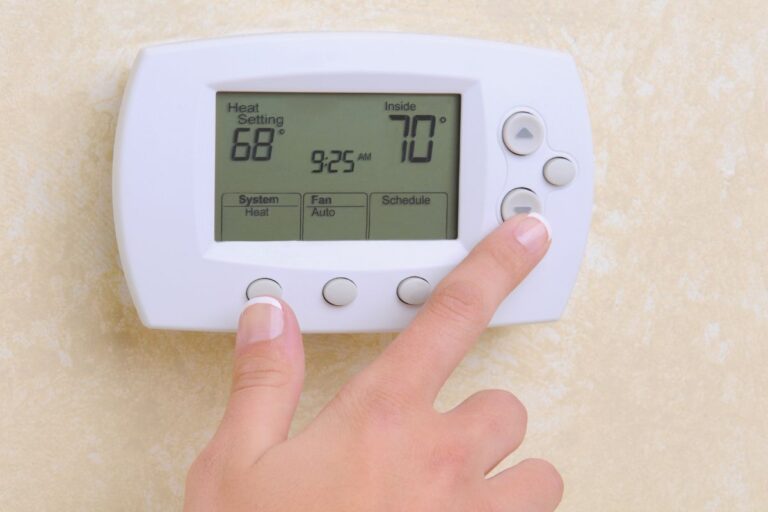

Keeping your home comfortable in SWFL is a priority because of our subtropical climate. Your HVAC system does a lot of heavy lifting, but here’s a pro tip many HVAC experts swear by—the 20-degree rule. It’s a simple way to keep your AC running efficiently, avoid extra wear and tear, and make sure your home stays cool without wasting energy.
What is the 20 Degree Rule for HVAC?
The 20-degree rule is a simple but important rule—it means your indoor temperature shouldn’t be more than 20°F cooler than the outside temperature. So if it’s 95°F outside, try not to set your thermostat lower than 75°F. Pushing your AC too hard can make it work overtime, leading to higher energy bills, more wear and tear, and even system breakdowns. Keeping it within this range helps your HVAC run smoothly and efficiently!
Why Does the 20-Degree Rule Matter?
Your HVAC system is designed to maintain a reasonable temperature difference between the inside and outside. If you set your thermostat too low on extremely hot days, your system will work harder to reach the desired temperature, which can lead to several potential issues:
- Increased Energy Usage – The harder your AC works, the more electricity it consumes, increasing energy bills.
- System Strain & Wear – Constantly pushing your HVAC beyond its capabilities can cause excessive wear and tear, which can lead to costly repairs and a shortened lifespan.
- Inefficient Cooling – Most air conditioning systems are designed to cool efficiently within a 20-degree range. If you try to push the system beyond this, it may struggle to cool your home effectively.
- Humidity Control Issues – Your HVAC system also helps regulate humidity levels. Overworking it can lead to improper humidity balance, which can cause mold growth and indoor air quality issues.
Exceptions to the Rule
While the 20-degree rule is a good general guideline, there are some exceptions:
- High-Efficiency Systems – Some modern HVAC systems are more efficient and can handle greater temperature differences without excessive strain. Talk to your HVAC tech about your system’s capabilities.
- Zoned Cooling Systems – Homes with zoning systems or ductless mini-splits may have better temperature control and can sometimes go beyond the 20-degree rule without causing problems.
- Humidity Considerations – In extremely humid climates, maintaining a lower indoor temperature may be necessary to control moisture levels.
How to Keep Your Home Cool Without Overworking Your HVAC
Instead of pushing your AC too hard, consider these tips to keep your home cool efficiently:
- Use ceiling fans to circulate air and create a cooling effect.
- Close blinds and curtains during the hottest parts of the day to reduce heat gain.
- Make sure your home is properly insulated to prevent heat infiltration.
- Schedule regular HVAC maintenance to keep your system running efficiently.
- Upgrade to a high-efficiency AC unit if your current system struggles to maintain a comfortable temperature.
If you find that your AC is struggling to keep up with cooling demands, it may be time to consult the HVAC professionals at Dolphin Cooling for an assessment or system upgrade. Contact us today for an estimate.