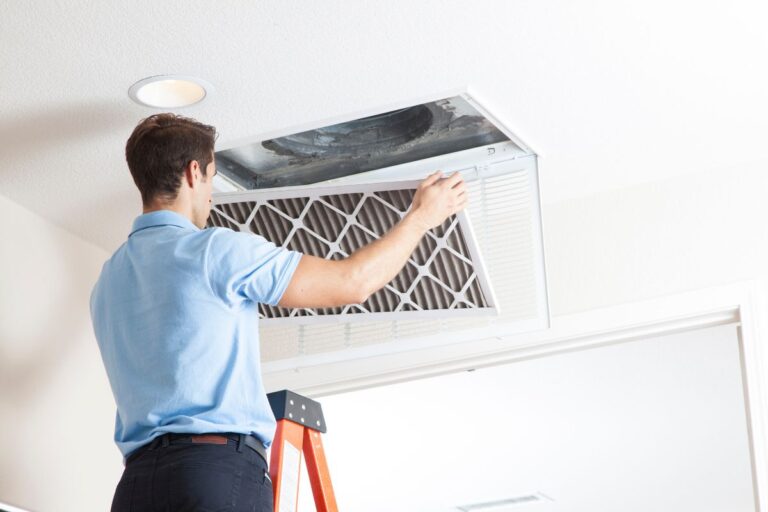

If you’ve ever shopped for replacement filters at a hardware store, you’ve probably asked yourself: Are the expensive HVAC filters actually worth it? With so many filter types, fiberglass filters, pleated filters, washable air filters, electrostatic filters, and high-efficiency particulate air (HEPA), the choices can feel overwhelming. And the price difference between a cheap filter and a premium air filter is often dramatic. But does a higher cost really equal better air quality and system performance? Let’s break it down.
The Vital Role of HVAC Air Filters
Your HVAC system plays a vital role in your home’s comfort and indoor air quality. HVAC air filters protect your air conditioner, air handler, and other HVAC equipment from dust, dirt, and airborne particles. They also help improve the quality of the air you breathe. They trap pet dander, mold spores, fine particles, and even smaller particles that can cause respiratory issues, especially for allergy sufferers.
However, not all filters are created equal. Filter types vary in efficiency, and the minimum efficiency reporting value (MERV rating) gives you a good indication of performance.
Cheaper Filters vs. Expensive Filters
At the low end, you’ll find fiberglass filters or other cheap air filters. These are often the cheapest filters you’ll see, sometimes just a couple of dollars each. While they do an okay job capturing larger particles like dust and lint, they don’t offer much protection against smaller particles or provide much better air quality.
On the other hand, expensive filters, like pleated filters, premium filters, or high-quality filters, have a larger surface area and higher MERV ratings. Some even reach a very high MERV rating or qualify as high-efficiency filters, such as HEPA filters (high-efficiency particulate air). These are designed to trap fine particles like pet dander, pollen, and mold spores. For those dealing with allergies, asthma, or other respiratory issues, pricier filters may be a better choice in the long run.
Energy Efficiency and System Performance
One of the biggest questions homeowners have is whether expensive HVAC filters improve system performance. The truth is, it depends. While higher quality filters and premium air filters capture more particles, they can sometimes cause a pressure drop that restricts air flow. If your cooling system or air conditioner struggles with airflow, this can lead to higher energy bills and reduced system efficiency.
That’s why hvac professionals often stress finding the right filter for your residential system. A filter with a higher rating isn’t always the best air filter for home use if it forces your HVAC equipment to work harder. In some cases, cheaper filters may actually support lower energy bills because they don’t restrict airflow as much.
Disposable vs. Washable Filters
When considering cost, think about frequent replacements. Disposable filters (like fiberglass or pleated filters) need to be changed regularly, sometimes every 30 days. Forgetting can leave you with a dirty HVAC filter, a clogged filter, and poor system performance.
Meanwhile, washable filters or washable furnace filters may seem like a great money-saving option, but they often don’t do as good a job at capturing smaller particles. That means they might not deliver the cleaner air you want for your residential home.
Can You Use Any Filter With Your AC System?
When choosing an HVAC air filter, it’s important to make sure it matches the power and capacity of your air conditioner. Higher-quality filters with very high MERV ratings or HEPA filters can do a better job of capturing fine particles. But they can also restrict air flow if your residential system isn’t designed for them. This restriction creates extra strain on your air handler and can lower system efficiency. It can also increase energy consumption and even lead to higher energy bills. That’s why it’s crucial to pick the right filter for your specific cooling system. Sometimes a mid-range or standard pleated filter is a better choice than a premium air filter that your AC unit simply isn’t built to handle.
Are Expensive Air Filters Worth It in the Long Run?
So, are expensive HVAC filters actually worth it? The answer depends on your priorities:
- If you’re focused on better air quality, high-efficiency filters with higher MERV ratings or premium filters are a better filter for trapping fine particles and keeping your home’s air clean.
- If energy efficiency and avoiding higher energy bills are your main concerns, sticking with a standard filter or a lower-merv filter may be the better choice for your HVAC system.
- For households with pets, allergy sufferers, or anyone with respiratory issues, investing in higher-quality filters can make a big difference in comfort and health.
In the long run, the right balance is key. Choose a high-quality air filter that matches your system’s needs, keep up with regular maintenance, and always replace new filters on time.
Choosing the Right Filter for Your AC System
When it comes to expensive HVAC filters, one size does not fit all. Residential systems vary, and so do your health and budget needs. A cheaper filter might work fine for some homes, while premium air filters are essential for others. The best way to decide? Talk with HVAC professionals who can recommend the best air filter for your air conditioning or cooling system.
Because at the end of the day, the question isn’t just whether expensive filters are worth it, it’s whether you’ve found the right filter that balances clean air, system efficiency, and energy costs for your home.