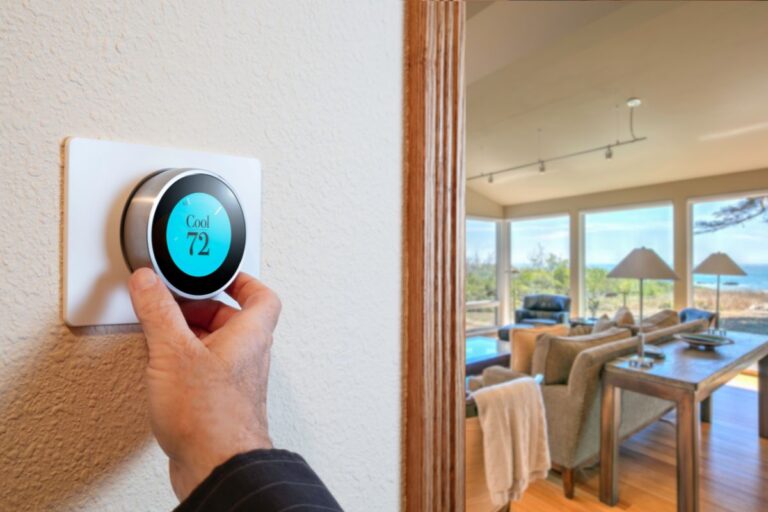

Your thermostat plays a pivotal role in how your HVAC system performs and how much you spend on energy bills every month. When comparing Smart Thermostats vs. Traditional Thermostats, it’s clear that technology has changed the way we control the temperature of our homes. But which option is truly the best choice for your comfort, budget, and lifestyle? Let’s take a closer look at the key differences, features, and potential energy savings of each type.
Traditional Thermostats: The Basics That Still Work
Traditional thermostats, also known as manual thermostats or standard programmable thermostats, have been the go-to option for decades. Their basic function is simple: set the temperature, and your cooling system or home heating will maintain it.
While many regular thermostats are affordable and reliable, they often require you to manually adjust the set temperature. This can make it difficult to keep your home’s climate consistent, especially in older homes or during extreme temperatures. Regular programmable thermostats allow for some automation, like scheduling a cooling schedule or heating plan, but they lack remote control and advanced features that make smart thermostats so appealing.
If you don’t mind hands-on control and live in a temperate climate, a standard thermostat may still meet your basic temperature control needs. However, you might be missing out on significant cost savings and energy efficiency improvements.
Smart Thermostats: The Modern Solution for Maximum Efficiency
Smart thermostats represent a major leap forward in smart home devices and HVAC system technology. Models like the Nest Learning Thermostat or Honeywell Home smart thermostats use machine learning and motion sensors to adapt to your home’s heating and cooling needs. They can automatically adjust temperature settings based on your schedule, weather conditions, and even whether you’re home or away.
One of the biggest advantages is remote access. With a smartphone app and an internet connection, you can control your thermostat from anywhere. Forgot to turn down the air conditioning before heading out? No problem, just open the app and adjust your desired temperature in seconds. Many Wi-Fi-enabled devices also integrate with Google Assistant or other smart technology to respond to voice commands.
Some smart models offer energy reports that provide energy usage insights and suggestions for energy conservation. This helps homeowners reduce energy consumption and lower cooling bills. Over time, these smart features can help you cut down on energy costs, shrink your carbon footprint, and increase your home’s overall energy efficiency.
Smart Features That Make a Difference
Today’s smart thermostat features go far beyond basic temperature control. Here are just a few examples of what these smart devices can do:
- Automatic Adjustments: Detects occupancy with motion sensors to maintain the right thermostat settings for comfort levels and cost savings.
- Zoning Capabilities: Adjusts the temperature of your home by specific room for greater control.
- Integration with Smart Home Devices: Connects with other wi-fi-enabled devices for seamless automation across your home’s wi-fi network.
- Weather-Based Adjustments: Responds to direct sunlight or outdoor weather conditions to ensure maximum efficiency.
- Energy Reports: Shows you exactly how much energy your HVAC system uses and where you can improve.
Some models even feature ENERGY STAR® certification, making them a game changer for energy conservation and environmental impact.
Cost Considerations and Installation
There’s no denying that the cost of a new smart thermostat is typically higher than that of basic models. The initial investment can range anywhere from $100 to $300, depending on the brand and features. However, many utility companies offer rebates for installing energy-efficient devices, which can help offset the upfront cost.
For best results, consider professional installation services, especially if your system requires a common wire (C-wire) or you’re using heat pumps, radiant floors, or central air. A proper smart thermostat installation ensures the system communicates seamlessly with your home’s heating and cooling system for maximum efficiency.
Making the Right Decision
When it comes to Smart Thermostats vs. Traditional Thermostats, the right decision depends on your lifestyle, budget, and your home’s comfort priorities. If you prefer simplicity and low upfront costs, a regular programmable thermostat might be sufficient. But if you’re looking for greater control, energy usage insights, and long-term cost savings, a smart thermostat is the modern solution you’ll appreciate every day.
In the end, smart thermostats don’t just adjust the temperature of your home; they help you create a more comfortable, efficient, and eco-friendly space. For many homeowners, that’s worth every penny of the initial investment.
Ready to upgrade your thermostat?
Our team of experts can help you achieve maximum efficiency and comfort levels year-round. Contact Dolphin Cooling today to schedule your consultation and start saving on your energy bills!