
If you own a second home or rental property in the Sunshine State, humidity control for vacation homes Florida should be a top priority. Florida’s humidity, tropical climate, and frequent heavy rains create the perfect environment for excess moisture to build up inside a vacant home. Without proper humidity control, humid air can lead to mold growth, mildew growth, musty odors, structural damage, and even health problems for the next people who enter the home.
Whether you manage vacation homes, a guest house, or a rental property, taking a few simple steps to control indoor humidity levels will protect your investment and give you peace of mind while you are away.
Why Humidity Is a Serious Issue in Florida Homes
Florida homes face unique challenges because of the humid climate and the constant amount of moisture in the air. During Florida summers, warm air carries large amounts of water vapor, which easily enters homes through small gaps, crawl spaces, fresh air intakes, and areas with poor ventilation.
High humidity levels inside a vacant home can cause:
- Growth of mold and mildew growth on clean surfaces
- Musty odors throughout the house
- Damage to organic materials like drywall, wood, and furniture
- Respiratory issues and respiratory problems for occupants
- Structural damage over time
- Reduced air quality
According to the Environmental Protection Agency, the optimal humidity levels inside a home should remain between 30% and 50% relative humidity. In humid environments like South Florida, it is easy for indoor moisture levels to climb far above that range if the air conditioning system is not managed properly.
The First Step: Keep Your HVAC System Running
The most effective way to control humidity in Florida homes is to keep your HVAC system running even when the home is empty. Your central air conditioners remove humidity as they cool the air. When humid air passes over the evaporator coil, water vapor condenses on the cold surfaces and drains away, lowering indoor humidity levels.
Many property managers make the mistake of turning off the air conditioning entirely to reduce the electric bill. Unfortunately, this often leads to excessive humidity and mold growth.
Instead, set the programmable thermostat or smart thermostat to around 78 to 80 degrees. Make sure central AC units remain operational and maintain proper airflow and filtration. This keeps the home’s temperature controlled while still removing the amount of moisture in the air.
An added benefit is protecting the AC compressor and keeping residential AC units in good condition instead of letting them sit unused for months.
Use a Smart Thermostat With Remote Monitoring
A smart thermostat with remote monitoring is one of the best solutions for vacation homes.
These systems allow homeowners or a property manager to monitor indoor humidity levels, the home’s temperature, HVAC system performance, and energy usage. Many smart thermostats also connect to humidity sensors, allowing you to detect a humidity problem before it becomes a severe problem. Remote monitoring gives homeowners peace of mind because you can adjust settings or call for professional help if something looks wrong.
Check for Water Leaks and Moisture Sources
Even a small amount of water entering the home can cause a serious humidity issue over time.
Common moisture sources include:
- Water leaks from plumbing
- Washing machine hoses
- Leaky roofs after heavy rains
- Crawl space moisture
- Poor vapor barriers
- Condensation on cold surfaces
Installing water sensors near areas like the washing machine, water heater, and sinks can alert you to leaks before they create the perfect environment for mold.
Improve Ventilation and Airflow
Proper ventilation is essential for maintaining healthy indoor humidity levels. Avoid leaving open windows, especially in humid environments.
While it may seem like it allows fresh air inside, it actually introduces humid air and increases indoor moisture levels. Instead, focus on improving ventilation in the crawl space, maintaining fresh air intakes, ensuring bathroom and kitchen vents function properly, and sealing gaps where warm air enters the home. Proper ventilation reduces the buildup of excess moisture and helps the HVAC system work more efficiently.
Control Moisture in Crawl Spaces
Crawl spaces are a major contributor to humidity problems in Florida homes. If your home has a crawl space, consider installing vapor barriers, sealing vents if recommended, using moisture-absorbing products, and scheduling humidity investigations if problems persist.Without proper moisture control, crawl spaces can send humid air directly into the home and increase indoor humidity levels.
Consider Dehumidifiers and Moisture Control Products
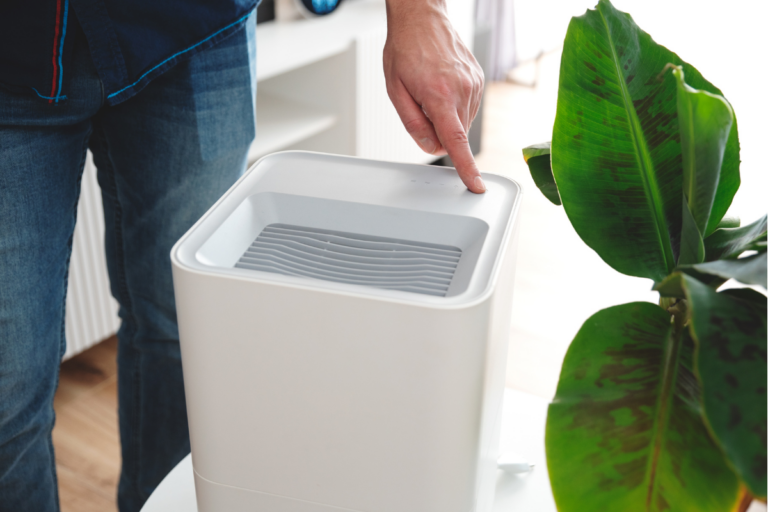
In humid areas of Florida, supplemental moisture control may be necessary. Options include whole-home dehumidifiers, portable dehumidifiers, moisture-absorbing products, and humidity sensors for monitoring. These tools help regulate the amount of moisture in the air, especially during extremely humid periods and Florida summers.
Maintain Your HVAC System on a Regular Basis
Routine maintenance is critical for humidity control. Your HVAC system should be serviced on a regular basis to ensure central AC units remain in top condition, air filters are replaced, HEPA filter options improve air quality, condensate lines drain properly, and coils remain clean.
Professional services help ensure your system continues removing moisture effectively. This is especially important for vacation homes, rental property owners, and commercial buildings that may sit empty for extended periods.
Watch for Signs of a Humidity Problem
If humidity levels are rising inside a vacant home, early warning signs often appear first. Watch for musty odors, visible mildew growth, condensation on surfaces, warped wood or flooring, mold on organic materials, and increased moisture levels. In rare cases, humidity issues can escalate into severe problems that require professional help and full mold remediation.
Plants and Indoor Moisture Balance
In occupied homes, certain plants like peace lilies can help improve air quality slightly. However, plants also release moisture, so they are generally not recommended for long periods in a vacant home. Instead, focus on controlling humidity through HVAC operation and monitoring systems.
Protect Your Florida Vacation Home
Humidity control for vacation homes Florida is essential because Florida’s humidity can quickly turn an empty house into a breeding ground for mold growth and mildew growth.
The best approach includes running the air conditioning, installing a smart thermostat, monitoring humidity sensors, checking for water leaks, maintaining HVAC systems regularly, and improving ventilation and crawl space protection.
By taking these simple steps, you protect your investment, maintain clean surfaces and good air quality, and keep your home ready for guests at any time. Most importantly, you gain peace of mind knowing your property remains safe even while it sits empty in Florida’s humid climate.