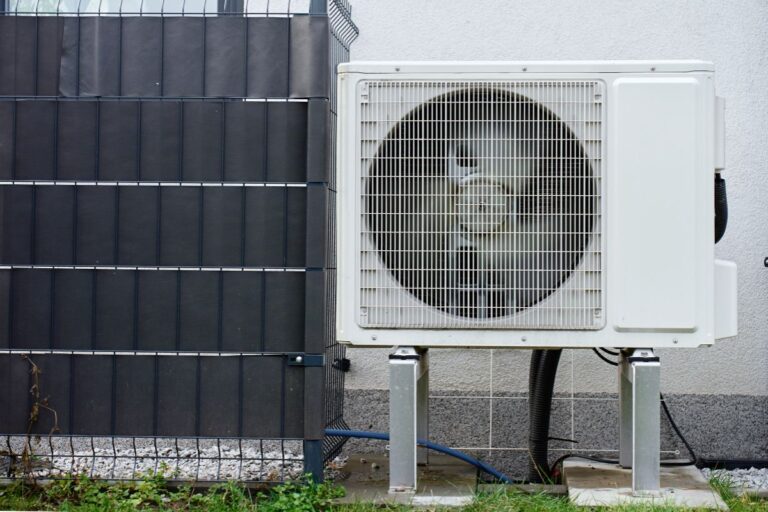

Living near the coast comes with incredible perks like ocean views, a relaxing sea breeze, and that laid-back lifestyle so many people love. But there is a downside many coastal homeowners do not think about right away: AC rusting from ocean air. In coastal areas, salty air and constant exposure to ocean air can significantly impact your air conditioning system, leading to faster wear, reduced efficiency, and even expensive repairs if you are not proactive.
Why Coastal Air Is So Tough on AC Units
In coastal environments, the air carries tiny salt particles from the ocean breeze and salt spray. These particles settle on your outdoor AC unit, especially on metal surfaces like condenser coils, aluminum fins, copper tubes, and other metal components. Over time, this creates salt buildup that leads to salt air corrosion.
When salt water and oxygen interact with metal parts, they form compounds like iron oxide and aluminum oxide. This is what causes visible rust and corrosion. The outdoor condenser unit is particularly vulnerable because it is constantly exposed to natural elements, including salty sea air, high pressure winds, and the presence of pollutants in coastal air.
Even if you live within a mile of the ocean or in nearby areas, your HVAC equipment can still be affected by saltwater exposure. Coastal climates accelerate corrosion much faster than inland environments, which means the lifespan of your HVAC system can be significantly shorter without proper care.
The Ripple Effect on Your Cooling System
Saltwater damage does not just affect the appearance of your outdoor unit. It has a ripple effect on the entire cooling system.
Corrosion on condenser coils and outdoor coils reduces heat transfer efficiency. When heat transfer is compromised, your system has to work harder to cool your home. This often leads to higher energy bills and unnecessary strain on your HVAC units.
Salt buildup can also damage electrical components and electrical connections, increasing the risk of system failure. In some cases, corrosion can even lead to refrigerant leaks, which are one of the most common issues in coastal regions.
Without regular maintenance, these problems can escalate quickly, resulting in expensive repairs or even the need for a new system or new air conditioner much sooner than expected.
Early Signs of Corrosion to Watch For
Catching the early signs of corrosion can save you a lot of money and stress. Here are some warning signs to look for:
- Visible rust or discoloration on metal parts
- A white or chalky residue, also known as salt film, on the outdoor unit
- Reduced cooling performance or uneven temperatures
- Strange noises coming from the outdoor condenser unit
- Signs of wear on aluminum fins or copper tubes
- Frequent system cycling or poor airflow
If you notice any of these signs of wear, it is a good idea to schedule service with a professional technician right away.
What You Can Do to Protect Your AC Unit
The good news is that there are several effective ways to protect your air conditioning system from coastal corrosion and extend the lifespan of your system.
1. Schedule Regular Maintenance
Regular maintenance is the best way to combat salt air damage. Coastal homeowners should plan for professional maintenance on a regular basis, ideally with quarterly inspections instead of the typical twice-a-year schedule.
HVAC professionals can clean the outdoor unit, inspect electrical components, and check for early signs of corrosion before they become major problems.
2. Rinse Your Outdoor Unit
One of the simplest and most effective protective treatments is rinsing your outdoor AC unit with fresh water. Salt rinses help remove salt buildup and prevent corrosion from taking hold.
Make it a habit to gently rinse the unit on a regular basis, especially after storms or days with heavy salt spray.
3. Apply Protective Coatings
Protective coatings and anti-corrosion coatings create a protective layer over metal surfaces, helping shield them from salty air and saltwater exposure. Many newer AC models come with factory-applied corrosion protections, but older systems can benefit from a special coating applied by HVAC professionals.
These coatings are designed to protect condenser coils, outdoor coils, and other vulnerable components without restricting good airflow.
4. Invest in Corrosion-Resistant Materials
If you are installing a new system, consider options with corrosion-resistant materials like stainless steel or coated aluminum fins. Some heat pumps and HVAC equipment are specifically designed for coastal conditions and offer enhanced durability in coastal environments.
This is one of the best ways to extend the lifespan of your HVAC system in a coastal region.
5. Use a Breathable Cover
A breathable cover can help protect your outdoor condenser unit from direct salt spray while still allowing proper airflow. Avoid using airtight covers, as they can trap moisture and make corrosion worse.
6. Keep Up With Regular Inspections
Regular inspections by a professional technician ensure that your system stays in top shape. HVAC professionals can identify issues like salt film buildup, weakened electrical connections, or early corrosion before they lead to major damage.
The best time to schedule service is before peak cooling season, so your system is ready to handle the heat.
Protecting Your AC for the Long Haul
Living near the ocean means dealing with environmental factors that can take a toll on your HVAC units, but with proper care, you can protect your investment. While AC rusting from ocean air is a common issue in coastal climates, it does not have to shorten the lifespan of your system.
With regular maintenance, protective treatments, and a proactive approach, you can keep your cooling system running efficiently and avoid costly repairs. A little extra attention goes a long way in preserving your air conditioning system, so you can continue enjoying those ocean views without worrying about your AC.