If you live in Southwest Florida, you already know how common storms and sudden outages can be. From intense summer storms to unpredictable weather events, the local power grid is constantly under pressure. That’s why it’s so important to protect HVAC during power outages because your HVAC system is one of the most vulnerable and expensive pieces of equipment in your home.
Let’s break down how unexpected power outages impact your air conditioning system, what risks to watch for, and the best things you can do to prevent costly repairs.
Why Power Outages Are Hard on Your HVAC System
Your HVAC system relies heavily on stable electrical power to operate properly. When a power outage strikes, especially during severe weather, your system can experience abrupt shutdowns, power loss, and dangerous electrical surges when power returns.
These events can cause:
- Damage to electrical components
- Burned out circuit boards
- System vulnerabilities that shorten the lifespan of your HVAC equipment
- Permanent damage to your outdoor unit or indoor components
Even a quick flicker can cause voltage spikes or transient surges that create a negative impact on sensitive components inside your HVAC unit. And in Naples, where lightning strikes and summer storms are frequent, the risk is even higher.
The Biggest Threat Power Surges and Voltage Spikes
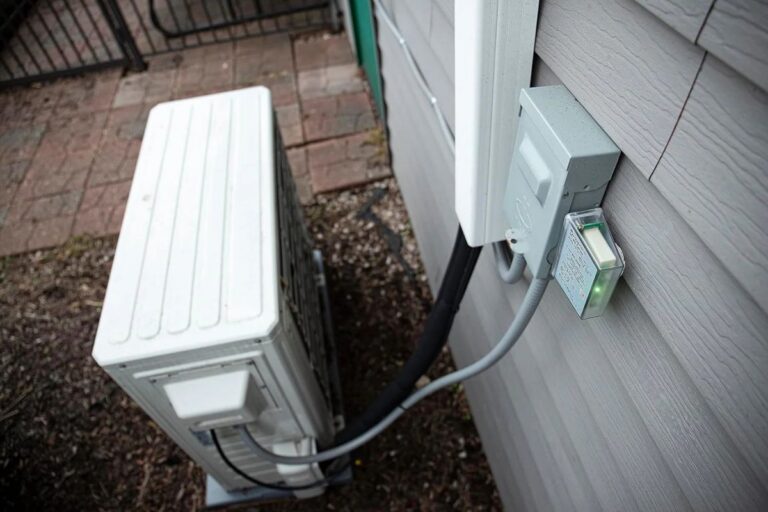
When electrical power is restored after an outage, your system can be hit with an electrical surge. These power surges, especially in the event of a power surge following a lightning strike, can send too much power through your system all at once.
This can lead to:
- Fried circuit boards
- Damaged compressors in your outdoor condenser
- Malfunctioning smart thermostat systems
- Expensive repairs or even full system replacement
Your HVAC unit, including your heat pump or cooling system, contains many sensitive electrical components that are not built to handle sudden spikes in power supply.
How Extended Power Outages Affect Your Home
Extended power outages do not just affect your comfort. They can also impact your home environment and safety. Without air conditioning, indoor temperatures can rise quickly, especially during hot Florida days. This can affect:
- Indoor air quality
- Comfort in indoor spaces
- Safety for children, pets, and elderly family members
Humidity can also climb, leading to moisture buildup and even issues like wet sheets or damp surfaces. In some cases, prolonged outages combined with cold snaps can cause ice buildup in certain HVAC components when the system restarts improperly.
What Happens When Power Returns
When power returns after a power failure, your HVAC system may try to restart immediately. This sudden demand for electrical power, combined with unstable voltage, can overwhelm the system.
Here are the first things that often happen:
- The circuit breaker may trip
- The system may short cycle by turning on and off rapidly
- Electrical components may overheat
- Your outdoor unit may struggle to restart
This is one of the most common times homeowners end up needing air conditioner repair or emergency service.
Protect HVAC During Power Outages Smart Prevention Tips
The good news is there are several safety precautions you can take to reduce the risk of damage and avoid costly repairs.
Install a Whole Home Surge Protector
A whole home surge protector is one of the best things you can invest in. It protects not just your HVAC system, but all major appliances and home appliances from electrical surges.
Some HVAC systems even include built in surge protection, but adding a whole home system offers an extra layer of security.
Use a Backup Generator
A backup generator, whether a portable generator or a standby generator powered by natural gas, can keep your HVAC system running during unexpected power disruptions.
This helps maintain safe indoor temperatures and protects your indoor environments from extreme heat or humidity.
Turn Off Your HVAC System During an Outage
When a power outage strikes, it is a good idea to manually turn off your HVAC unit at the circuit breaker. This prevents the system from being hit with a sudden electrical surge when power returns.
Schedule Professional Inspections
After severe weather or extended power outages, scheduling professional inspections with a licensed technician is a smart move. A qualified HVAC contractor, especially one with NATE certified technicians, can check for hidden damage, inspect circuit boards, and ensure your system is safe to run.
Upgrade to a Smart Thermostat
A smart thermostat can help manage how your system restarts after a power outage. Some models are designed to delay startup, reducing strain on your HVAC system when electrical power is restored.
Common Signs Your HVAC System Was Damaged
After a weather event or power outage, keep an eye out for these warning signs:
- System will not turn on
- Weak airflow or reduced cooling system performance
- Strange noises from the outdoor condenser
- Frequent circuit breaker trips
- Inconsistent indoor temperatures
If you notice any of these, it is time to call for HVAC service or repair service right away.
Do Not Ignore the Risks of Severe Weather
In Naples, severe weather and summer storms are part of life. Combined with aging utility lines and increasing strain on the power grid, unexpected power outages are becoming more common.
Without proper protection, your HVAC system is at risk every time the power goes out.
Taking proactive steps now can prevent:
- Expensive repairs
- Fire hazards caused by electrical issues
- Permanent damage to your heating system or air conditioning
Stay Prepared and Protect Your Investment
Your HVAC system is one of the most important and expensive systems in your home. With the frequency of unexpected power outages in Naples, learning how to protect HVAC during power outages is essential.
From installing a whole home surge protector to investing in a standby generator, these preventative steps can save you from costly repairs and keep your home comfortable year round. When the next weather event hits, you will be glad your system is ready. Contact Dolphin Cooling today to learn more.