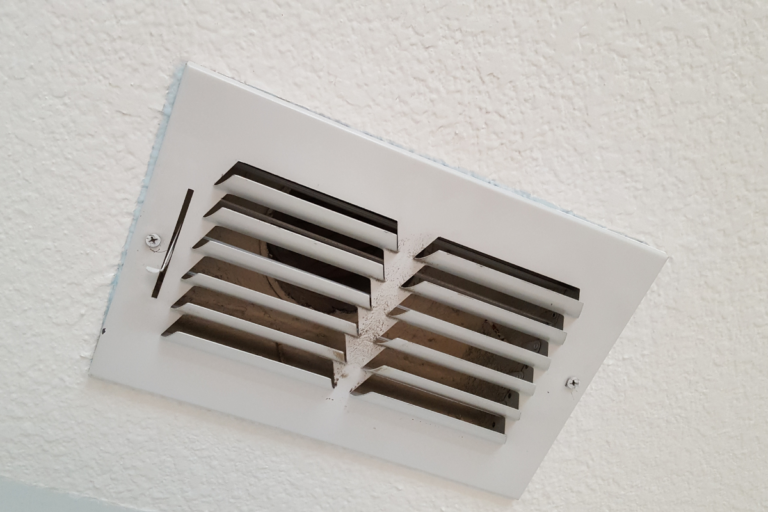

If you’ve ever stood under one vent blasting cool air while another seems to do nothing, you’re not alone. One of the most common questions we hear from homeowners is about the AC return vent vs supply vent difference, and understanding it can make a huge impact on your comfort, indoor air quality, and energy costs.
Let’s break it down in simple terms so you can better understand how your home’s HVAC system works and how to keep it running at peak performance.
What Are Supply Vents?
Supply vents, also called supply air vents, are the vents that deliver conditioned air into your living spaces. When your air conditioner or heat pump is running, these vents push out cool air or warm air during central heating that has been treated by your HVAC unit.
You’ll usually find supply vents:
- On ceilings, walls, or floors
- With adjustable slats to control airflow direction
- Connected to supply ducts that carry air from the air handler
These types of vents play a major role in distributing conditioned air evenly throughout your home. The placement of supply vents is especially important for avoiding cold spots or hot spots in any particular room.
What Are Return Vents?
Return air vents, also called return air grilles or air return grills, do the opposite job. Instead of pushing air out, they pull air back into the system.
Here’s what happens:
- Air travels from your rooms into the return air ducts
- It passes through an air filter, removing dust and debris
- The cleaned air is sent back to the air handler to be cooled or heated again
This creates a continuous loop of air circulation that keeps your home comfortable.
Many homes have:
- A large central return vent in a hallway or central area
- Or dedicated return vents in multiple rooms for better airflow balance
The AC Return Vent vs Supply Vent Difference (In Simple Terms)
Think of your HVAC system like your lungs:
- Supply vents send conditioned air into your home
- Return vents pull air back to be reconditioned
Both types of vents are a vital part of your HVAC system, and they must work together for proper airflow and system efficiency.
Why Proper Airflow Matters
Your cooling system depends on a balanced flow of air. If something disrupts that balance, you can run into common problems like:
- Uneven temperatures between rooms
- Weak airflow from vents
- Pressure imbalances
- Higher energy bills
- Reduced energy efficiency
- Poor indoor air quality
When your system does not get enough air through the return airflow, it struggles to circulate properly, leading to reduced optimal performance and potential strain on your HVAC unit.
Signs You May Have Airflow Problems
If you’re unsure whether your HVAC vents are working correctly, watch for the following symptoms:
- A particular room feels much warmer or cooler than others
- You notice stale air or poor air circulation
- Your system runs constantly without reaching the ideal temperature difference
- You’re seeing spikes in energy costs
- You feel weak airflow from your supply air vents
A quick test is to hold a piece of paper up to a return vent. If it sticks, your return airflow is likely working. If not, there may be airflow restrictions or blockages in your duct system.
Common Causes of Vent Issues
There are several reasons your HVAC vents might not be performing at their best.
Blocked or Closed Vents
Furniture, rugs, or even closed heat registers can restrict airflow. This is a good idea to check first since it is often the simplest fix.
Dirty Air Filter
A clogged air filter restricts how much air moves through your system, reducing system efficiency and airflow.
Poor Duct Design
An improperly designed duct system or undersized return ducts can limit the amount of airflow and create pressure imbalances.
Lack of Return Vents
Homes without enough cold air return vents or low return vents may struggle to maintain airflow balance.
Dirty HVAC Ducts
Dust buildup in HVAC ducts can reduce airflow and affect indoor air quality. In some cases, duct cleaning may be necessary.
Why Return Vents Are So Important
It is easy to focus on the vents blowing cool air, but return vents play an equally important role. Without proper return airflow:
- Air pressure inside your home becomes unbalanced
- Your system cannot move the right cubic feet of air
- Your air conditioner works harder than it should
- You may experience uneven temperatures and reduced comfort
In homes with unique setups like indoor swimming pools or large open living spaces, having a properly designed return air system is even more critical.
Tips for Better Airflow and Comfort
Want to improve your home’s HVAC performance? Here are a few practical tips:
- Keep all supply vents and return air grilles clear and open
- Replace your air filter regularly
- Make sure each room has enough air
- Do not close too many vents since it can cause pressure imbalances
- Consider adding dedicated return vents if the layout of your home needs it
- Schedule a professional inspection with experienced HVAC contractors
The best way to ensure your system is running at its best performance is to maintain proper airflow balance throughout your home.
How Your HVAC System Works Together
Your home’s HVAC system is a carefully designed network where every part matters:
- The system fan pushes conditioned air through supply ducts
- Air enters your rooms through supply vents
- It then flows back through return air vents
- The cycle repeats in a continuous loop
This process ensures proper air circulation, maintains a comfortable indoor environment, and supports long term system efficiency.
What Naples Homeowners Should Remember
Understanding the AC return vent vs supply vent difference is the first step toward better comfort and lower energy costs. Supply vents deliver conditioned air, while return vents pull air back into the system, both playing a vital role in maintaining proper airflow and indoor air quality.
If you are dealing with uneven temperatures, airflow problems, or higher energy bills, it may be time to take a closer look at your vents and duct system. A quick check or a call to trusted HVAC contractors can make all the difference in creating a more comfortable indoor environment for your Naples home.