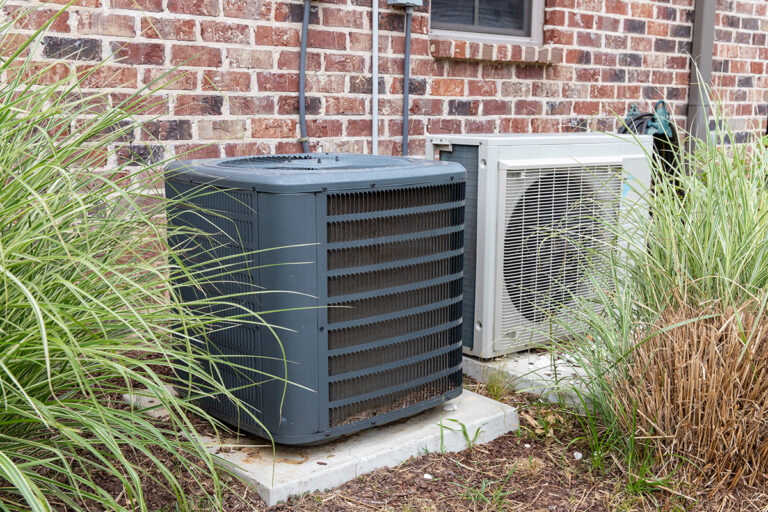
24/7 Emergency AC Repair in Naples, Florida
Why Choose Dolphin For Your Emergency AC Repair
Dolphin Cooling & Heating is a family-owned, licensed HVAC contractor that has been servicing the Naples, FL area since 1998. We are a family of dedicated people and when you become one of our customers, you become part of that family. Honesty, respect, dedication, and compassion are the core values that set us apart from the rest. With years of experience, we are committed to providing the highest quality air conditioning service and your comfort is our first priority. Communication and trust are keys to building our long-term relationships. Our fast, efficient, and highly knowledgeable technicians are ready at any time to restore comfort to your home in the event of an emergency. We provide free quotes, honest answers to your questions, dependable work and professional AC repair service from our pro repair technicians.Emergency AC Repair in Naples Florida
For emergency HVAC system services you can call our service number, (239) 596-9044, at any time. We are willing and able to discuss all of your AC issues and suggest possible solutions prior to dispatching a technician. We do everything we can to resolve your AC issues in the easiest, most convenient, and most cost-efficient way possible. However, if an emergency service call is needed we will dispatch one of our friendly and efficient technicians to diagnose, determine the best course of action, and repair your AC system at a fair price.Air Conditioning Repair
Our service department is located in Naples & consists of several highly experienced staff members. Reliable services are hard to come by these days, but we make it a priority to be a company you can rely on. Air conditioning repair excellence is just a phone call away. We know that our success as a company depends on your satisfaction, which is why we focus on you. Every job we perform comes with our satisfaction guarantee.New Air Conditioner Installation
In the event that your air conditioning unit needs to be replaced, we can handle the process of getting you a new unit from start to finish. We have sales consultants who will listen to you and identify what’s important to you. With that clearly defined we recommend solutions and associated pricing to accomplish your goals. AC systems are an investment and with that in mind doing it right the first time is the only way. There are many things to consider when replacing on installing a new system such as energy efficiency, quality and warranty options, system control, and indoor air quality. You can have peace of mind through the entire process as your sales consultant walks you through it with your priorities in mind. We know that purchasing a new cooling system is a financial commitment, we offer a number of financing options through Service Finance Company LLC. For example, many of our customers take advantage of the No Interest, No Payment option when faced with an unexpected emergency. Similarly, others are attracted to the Deferred Interest options or the standard Fixed Interest plans. Once you have made your final decision, guided by your Dolphin consultant, trained technicians who are reliable, efficient, and dedicated will complete your new ac installation. Call today! We offer free estimates with no obligation and great service with you, the customer, in mind.Prevention through routine maintenance
After installation, it’s a good idea to start thinking about preventative maintenance. A properly installed AC system will last 10-12 years if maintained well. Regular maintenance on your hardworking AC unit here in SWFL is the key to preventing a unit breakdown. Of course, there will be times when you have an issue with a unit that has been properly cared for, as your unit gets older things will inevitably start to wear out. But you can expect your issues to be few and far between with regular preventative maintenance. Not to mention less expensive in the long run. At Dolphin, we have seen the value of regular maintenance on the thousands of units we have repaired and/or maintained, so we offer our customers options to make maintenance an easier choice. We provide AC service & maintenance from Ft Myers to Marco Island, with several AC service & maintenance plans so you can select the right plan for you. For more information, check out our maintenance plans.Locations We Serve with 24/7 Emergency AC Repair
We proudly offer quality service throughout Fort Myers, Estero, Bonita Springs, Vineyards, Naples, Golden Gate and Marco Island. If you are in need of AC repair, call us at 239-596-9044. Our friendly office staff will discuss your AC needs, and dispatch one of our experienced service technicians. We look forward to serving you with Comfort on Porpoise.Charlie McDermott:
Welcome to Comfort on Porpoise, sponsored by Dolphin Cooling & Heating, who have been providing 24/7 Comfort on Porpoise since 1998. Well welcome back, this is Charlie McDermott, co-host/producer of this show. And once again we have Lauren in the studio. Lauren, how are you doing today?
Lauren Willeford:
Good! How are you, Charlie?
Charlie McDermott:
I'm doing good, but I'm anticipating something. You teased me a bit. You said you've got news, you've got something new. So let's just get right into that. Fill us in.
Lauren Willeford:
So we're really excited. We made some changes to our maintenance options for our customers. We've had our tune up, which is just a one time maintenance visit. We did have a slight price change on that, but with that, it includes a 30 day drain line warranty and it includes two free filter media replacements. But what I'm really excited about is our Plan 1 program, which is our semi-annual maintenance service. We come twice a year, typically about six months apart, the price on that stayed exactly the same at $249 per system. I wanted to highlight a couple items that we've added. And they've really added a lot of value to this plan.
So things that stay the same, it's still two visits. You still receive priority scheduling. You still get 15% off of repairs, but now you also get 20% off of indoor air quality services, IAQ. We've additionally added a one year warranty on all parts installed. If you call in, let's say you have an AC emergency it's after hours, it's on a weekend. If you call us and you are a plan 1 customer with us, rather than having to pay $155 for an emergency service fee, you pay our normal regular $99 dispatch fee out. So big, big savings there. Plus we now offer free electronic leak search with this, which is $124 value. And I think the thing I'm most excited about is that we now include with our VIP Plan 1 maintenance program, we give you one free service call per residence. So let's say between your two maintenance visits, your AC goes down, something happens, you call us, we come out, you can get that visit, there's no $99 charge. We wave it entirely. So it's free.
So right there, you know, the plan is $249. You’re getting two maintenance visits and you get a free service call, which is basically another a hundred dollars value. Plus we offer a 60 day warranty on drain lines and same thing, you get to filter media replacements. So we are very, very excited about this. We feel like we've added a ton of value for our customers. And really the whole goal of this is to be preventative and help people keep their AC running all the time. Because we know, especially right now where it's very warm down here in Florida and very humid, being without the AC can be very uncomfortable and it gets that way very fast when the AC goes down. We can't stress the importance of maintenance enough and we've made some changes because we want to show customers just how important it is and the value they really get for it. So we're very excited about it over here at Dolphin Cooling.
Charlie McDermott:
As am I, because, you may not be aware of that, but that's the plan we're on. So perfect. Very cool.
Lauren Willeford:
Yes and that's the other thing. So for all of our listeners, if you're currently under contract with us with the Plan 1 right now, your contract is still in process, you automatically got upgraded to get all of these benefits. So it's for anyone who signs up now and it's for anyone who's already under contract, everybody gets these benefits.
Charlie McDermott:
Wow, that's awesome. Man, you covered so much. One thing that jumped out at me was part of this, and I should know this because you guys have been doing this at our house. You replaced the filters. That's part of the service. Which you know, in my past experiences, and this goes back to Pennsylvania, that was never the case. And I'm not good at replacing our filters. I'm I'm confessing here. I'm sure you've heard that before. So it's nice to know that at least, I know I should be doing it more often and sometimes I do, but at least twice a year, those dang filters are getting change, which is thrilling for me.
Lauren Willeford:
Yes, we replace with a filter media. So it goes in, it's not a pleated filter, but it is still a filter. It still protects the system from any dust or debris getting in there, getting on the coil, gunking it up, which creates inefficiency problems and can cause AC issues, which nobody wants.
Charlie McDermott:
Nobody wants. And you mentioned the weather we're having, it's currently almost August. Rarely do I go to bed at night going, oh, thank God, the AC is working. But then in the back of your mind going, oh my goodness, what happens if. And it's so nice that we have a company that is there when we need you. And, and we've only had to do that once so far and that's good.
Lauren Willeford:
That means the maintenance is working. So that's a good thing.
Charlie McDermott:
And in our case it was one of those, it was a fan motor and the unit's outside and we're right on the bay. So you know, one day I'm gonna walk outside, I'm just gonna see my unit in dust, the corrosion that's going on. I mean, there's not much you can do, right?
Lauren Willeford:
No, unfortunately, no. But if you do have those AC problems, you know where to find us we're available 24/7.
Charlie McDermott:
Yeah and you guys were great. I was talking with Greg and this whole supply chain issue and parts and all that, everybody struggles with that. And you guys got real creative with the replacement part because wherever it was coming from, Chin,a or God knows where you know where, was probably next to impossible. But he said, hey, we've got the same thing. It's just, we can get this in there now. And I was like, bring it, man.
Lauren Willeford:
Do it now, please.
Charlie McDermott:
Yeah, yeah.
Lauren Willeford:
No, there's still been some supply chain issues and it's just one of the things we have to work through right now. And we try and find whatever the best solution is to offer the customer because being without AC down here in Southwest Florida, especially right now, it's 90 degrees outside. I mean, it's gets really uncomfortable.
Charlie McDermott:
Yeah. So you mentioned IAQ indoor air quality, right?
Lauren Willeford:
Yes.
Charlie McDermott:
So go ahead and fill us in on what that means. You said that that somehow is a part of the package, right?
Lauren Willeford:
Yeah. So it's 20% off of IAQ products. So IAQ products would be things like UV coil lights that go inside the air handler. It would be things like Halo Remy LED air scrubbers that go in your duct work, they help with air purification. It would be things such as specialty filter boxes, four and five inch pleated filters, duct sanitization, anything of that nature that's really beneficial for the air quality. And also protecting the unit. With the coil light, for instance, that goes inside the air handler, it's not considered an air purification product per se, because it's not in the duct work, but inside the air handler, all the air that goes to your house is going through that air handler and it keeps the coil clean. All the air passes over the coil. So if the coil's clean, the air isn’t getting anything off the coil and it's also kind of cleaning as the air passes through it, the UV light does kill bacteria and microbial growth and things such of that nature. So it does help. We can't call it an air purification system because it's not in the duct work, but it is an IAQ product.
Charlie McDermott:
Yep. Yep. So one of those every little bit helps and in this day and age of doing everything you can to keep the air clean and whatever's going around at any given moment. And if there isn't anything at this given moment, just turn on the news and we'll find that something else.
Lauren Willeford:
Oh God, no, don't turn on the news. Don't go there!
Charlie McDermott:
Well, you I sure did deliver today, Lauren. This is a great news for all of your customers and customers to be. And I love what you guys do. I mean, it's a family business and I know, again, from working with you and Greg and stopping by the office on a regular basis, you guys are always looking out for your clients, your customers, and coming up with new ways to best serve everyone. So boy, unexpected, but really appreciate it. So great job there.
Lauren Willeford:
Thank you. Our goal is to keep our customers and happy customers, they stay. So our goal is to try and make everybody happy.
Charlie McDermott:
You're doing it on our end and many, many others. So I'm very happy. Great job.
Lauren Willeford:
Thank you.
Charlie McDermott:
Yeah. We'll see you soon in the next episode.
Lauren Willeford:
Can't wait!
Charlie McDermott:
Thanks for listening to Comfort on Porpoise. To learn more about our sponsor, Dolphin Cooling & Heating visit www.dolphincooling.com or call 239-596-9044.
[/et_pb_text][/et_pb_column][/et_pb_row][/et_pb_section]Charlie McDermott:
Welcome to Comfort on Porpoise, sponsored by Dolphin Cooling & Heating, who have been providing 24/7 Comfort on Porpoise since 1998. Hey there, Charlie McDermott, back in the Dolphin studios with the Comfort on Porpoise podcast, once again, back with Lauren. Lauren, how are you doing?
Lauren Willeford:
I'm doing well, Charlie, how are you?
Charlie McDermott:
I'm doing great and oh my goodness. You know, we get into conversations about air conditioning, you teach me things I had no idea even existed. And this is one of those topics that needs to get out there. Certainly not well known information and it's really important. So what you shared with me was that there are two different types of refrigerants for your air conditioning units, right?
Lauren Willeford:
Yes, that's correct.
Charlie McDermott:
Okay.
Lauren Willeford:
So previously, prior to 2010, even going back further than that, 20 years plus ago, the refrigerant used in the air conditioner was R22. And then in 2010, based on Federal regulations, they started phasing out R22 and the refrigerant that is most commonly seen in most air conditioning systems is now R410, which is great. But one of the reasons that I wanted to get on here and kind of chat with you today is something that a lot of people don't realize.
If you go from R22 to R410, there are certain steps that need to happen based on what the manufacturer says, which is really most important, because they design the equipment. They know exactly how it should operate. And then there are some options, because sometimes it can get a little bit pricey or, depending on the application, could become a little difficult.
So, the big thing that I want to point out as far as difference between the two refrigerants, which is what actually causes the problem, is the oil that's used in them. So the refrigerant is a combination of a gas liquid and an oil in there. So in R410, they used POE oil, which is like a synthetic. In R22, they used mineral oil. So the oils, they don't mix at all. So if we have to go from an R22 unit, right? Customers lived in the house, the unit is 24 years old. Which kudos if your AC has lasted you 24 years. Great job. You've probably done an excellent job maintaining it as well. But okay, now you need to have a new AC unit installed and it's going to run on R410 refrigerant instead of the 22.
So what's the importance here? The importance here is that when you have an R22 unit the line set, which is the copper lines, there are two of them, that are connected between your air handler and your condensing unit that feed the refrigerant through, which is how the unit cools the air, et cetera. As the refrigerant runs through those lines, so does the oil, okay?
So if you take an R22 unit and you just replace your condenser and your air handler, and then you hook up an R410 unit to those lines that previously ran R22 in them, guess what? There's still oil in there. So when you hook up the new 410 unit and run it, over time what happens is inside the compressor in the condensing unit, the oils mixing almost causes this pink jelly. It actually looks almost like a pink jello and it will seize your compressor and cause early system component failure.
So what the manufacturer recommends, the best option, is if you're going to go from an R22 unit to an R410 unit, that you should have your line set replaced at the same time. So everything is new. There's no contamination, there's no possibility of contamination. It's all new. Good news with that is that then you know your line set is also new, so there's not going to be any leak in your line set. So your system is going to be good for another 10 plus years, right, is the whole goal, if it's well maintained.
However, we understand that in certain applications, sometimes replacing the mainline set is not necessarily feasible. For instance, when you're in high rise condominiums. Or because of somebody's budget, maybe they just don't have the budget, because line sets are not cheap. Aside from the fact that they're all copper, they're also typically pretty labor intensive to replace that.
So the other alternative for people and we always like to share this, so at least every customer understands what the manufacturer says, which is if you go from one to the other, you change the line set. It’s the best course of action. So we always like to explain that. If that's not an option or they can't do that, then what we offer is called a refrigerant flush.
So there's a special flush kit that we buy. And basically during the installation process, we take and flush your lines, using this refrigerant flush to try and clear the lines as much as possible. But with anything there's not a hundred percent guarantee that we've completely rid all the previous oil out of it or anything like that. But at least in that case, you've made every attempt to try and clear it to prevent early system component failure.
So it was something that we started to realize a lot of people don't realize. They don't realize that the oils in the refrigerant are different. They don't realize that you can't mix them. They don't know that the manufacturer says you should really be replacing the line set. And while we understand sometimes that's just not within somebody's budget or whatever it might be, we always want to make sure that at least our customers and our listeners here today are knowledgeable about it to make the best decision for them depending on their situation.
So, you know, it's something that I've learned too, just from researching and talking with other people in the field. And you know, it's not necessarily something that's very commonly talked about, but I think the consumer should be aware of what it is so they can make the best informed decision.
Charlie McDermott:
So question for you and, and maybe you already covered this, but so 2010, the new refrigerant is the R410, post was the R22. So what happens, like you said, someone who is fortunate enough to have a working system today. Are they using the R22 or are they using the R410 refrigerant?
Lauren Willeford:
Okay. So all new equipment that's made presently today is manufactured using R410 refrigerant. They haven't made any new equipment with R22. They had to switch over.
Charlie McDermott:
But if you have an old unit?
Lauren Willeford:
Yes and it was manufactured with R22 and it's been running off R22, we still can get access to R22 refrigerant, you know, to be able to service the unit as needed. But if you're actually doing a new installation, so you're taking it out and putting something new in, everything new off the line runs with 410.
The reason this happened was back, it all had to do with global warming, climate change, but the CFCs. So the big thing with R22 is the chlorine, as far as damaging our ozone layer. Which is why they then put several regulations in place that started to phase 22 all the way down until a point that essentially it's out. Now, it'll never be completely gone because there are still units out there that run on it and certain applications for it. But as far as your residential AC system, they're not manufacturing with it anymore.
Charlie McDermott:
Okay. So then as an owner of an older unit, do I have to be concerned that the current air condition company is using the right refrigerant? Or is that just something that it would be impossible to get the two mixed up? How, how does that work?
Lauren Willeford:
So I will say I've seen it happen, you know, tech goes out, complete accident. But no, like 99% of the time the tech goes out, it's actually right there. If anyone in their house were to say, go out and look at your condensing unit, there's a little placard on the outside of the condensing unit typically. And on there, it will tell you what type of refrigerant it runs off of. So, as a homeowner, you can go out and you can actually see this information for yourself. It'll tell you what type of refrigerant it runs off of.
It'll actually tell you sorts of manufacturer specs on the unit, aside from just the refrigerant. What the high and low pressure should be, what your super heat and sub cooling should be, what size your line set should be. There's all sorts of info, but it's typically 99% of the time, if a tech goes out, he knows and 410 is really the most common thing nowadays anyway.
We do still run into those R22 units. We do have customers who are still nursing along that unit, you know, 23, 24 years. It's still running, you know, it’s still running. When it comes to major repairs, that's really the time when we start to talk about, okay, you know, once you start sinking money into it, it's just going to become a bottomless pit for you. So no, anyone listening, you do not need to worry that someone's gonna come out and put the wrong thing. It's very, very, very unlikely.
Charlie McDermott:
All right. Well, great. I'm sure that gives our listeners some peace of mind if they have one of those Smithsonian units still working.
Lauren Willeford:
That's awesome. Yeah.
Charlie McDermott:
All right, Lauren. Well, I mean, who knew. Every episode there's just more and more information that really is helpful. I mean, hey, it's one thing we have the technical knowledge, but does it really matter? And every topic, it really does matter. So thanks for sharing that with the world and certainly the folks here in Southwest Florida.
Lauren Willeford:
Thanks for having me, Charlie.
Charlie McDermott:
Thanks for listening to Comfort on Porpoise. To learn more about our sponsor, Dolphin Cooling & Heating visit www.dolphincooling.com or call 239-596-9044.
[/et_pb_text][/et_pb_column][/et_pb_row][/et_pb_section]Charlie:
Welcome to Comfort on Porpoise, sponsored by Dolphin Cooling and Heating who have been providing 24/7 Comfort on Porpoise since 1998.
Charlie:
Hey there, this is Charlie McDermott. I am back in the Dolphin studio here with the Comfort on Porpoise podcast and fortunately, I have Lauren here. Lauren, how are you doing?
Lauren:
Good. How are you today, Charlie?
Charlie:
I’m doing great, but it's something invisible out there. It's this air thing and I've heard more and more, maybe it's a COVID phenomenon or just the fact that Southwest Florida in summertime, let's face it, we spend a lot of time indoors. What are you hearing? What are you guys doing when it comes to improving air quality inside the homes and businesses, for that matter?
Lauren:
That's a great question, Charlie. There's actually been a bunch of research done from some of the big brand manufacturers out there, such as Lennox, LG, Carrier, Trane, and Rheem. And recently I was actually reading an article and with regard to homeowners, there's been a 60% increase in homeowners prioritizing their indoor air quality over the last year. And a lot of that actually has been brought on by COVID. With people, both working from home more and just being indoors more due to social distancing, the lockdowns that we saw, it really became a very large priority for people.
So there are a few different options out there. There are upgraded filter cabinets. We talked about filters last time we were together. But there are some other products that we offer that have gained quite a bit of interest over the last year. And we've seen personally here at Dolphin, an increase in the sale of them. And that's UV lights, those are coil lights.
With those, they actually get placed inside the air handler typically either above or below the coil, depending on how it's set up. And that is the indoor unit just for anyone listening, if you don't know what the handler is, that's the unit found inside your home, typically in an attic, garage, mechanical closet. That coil light sits in there and it emits UVC rays and it's designed to kill microbial growth and keep the coil clean as well as the inside of the cabinet. Essentially anywhere the light shines, it helps to keep that area clean. All the air inside your home flows over that coil. So if there's stuff growing on the coil or inside the cabinet itself, as the air passes through there, it can pick up some of that and those contaminants such as dust, allergens, and other things can get carried through your home. The coil light helps diminish that.
Also, surprisingly, it helps with the efficiency as far as air flow. If the coil is clean, air can flow much more freely through the system, less resistance. So those have been really popular. They're not super expensive but they do very well. We've installed several of them. Customers have been very happy with them. And with that bulb typically most models are designed to have the bulb replaced annually. So once a year, during your maintenance, we would replace the bulb for you. And the reason for that is since the light’s stationary, any dust, cause obviously there's still dust in the air, it would settle on top of the bulb. It decreases the efficiency of that UVC light and therefore the potency gets diminished over time. So they do recommend they be replaced annually.
The other product that we have is made by Halo Remi and it's actually an induct air purification system. It uses UV light with this specific setup. It goes inside your duct work typically either on a supply or return side. So again, all the air, because all the air inside your home cycles through your system several times as it's running, so all the air comes in contact with it. The one difference between this and your UV light, or two actually, big differences. One is that it is actually air purification, the UV coil light isn't considered air purification. It's more for cleaning, which helps with air quality. This kit that goes inside the duct work is designed for air purification. It does eliminate microbial growth, allergens, and other indoor air quality pollutants. It helps to kill all of those. And it also helps with any smells. So it can remove potential smells from the air as well. And with this system it's designed to only be on when your system is actively running. So when your system is not running, the light turns off. When the system comes back on, the light turns on.
With the coil light, it's on all the time. It doesn't turn on or off. It's just constantly admitting UVC inside that air handler. With these Halo Reme systems specifically, there's been a big uptick in people's interest in that because it does serve as an air purification. They're pretty easy for us to install. It doesn't take several hours out of the day. It's typically just a couple hours. We can come out and get them in for customers. And with those, the bulb, the set up that's inside the duct work only has to be replaced typically every four years. So it's not something that you would replace annually like the UV light kit. But it does make a big difference. We're all at home a little bit more than we used to be, even though life is starting to return to normal.
But statistically, right now it's showing that with the more people that went to work from home during the pandemic most are wanting to either stay home or at least work from home part-time moving forward into the future. So that means, again, we're, we're going to be at home more. And I think if anything, 2020 taught us how important indoor air quality actually is. So we're really hopeful and we're happy to have these products for our customers and people have been very excited about getting them in and we've definitely, like I mentioned, seeing an uptick in the popularity and interest.
Charlie:
Wow. So I would imagine, just from a health standpoint it's something we probably don't give a whole lot of thought to. And again, I'm with you, maybe the COVID thing and putting a mask over our face and all that. I remember Michael Jackson, you'd see pictures of him when he was in China, covering his face because of the impurities in the air and it's those invisible things that we don't see. I would imagine this is going to help folks who suffer from things like allergies. I mean, heck I'm thinking here, we're on the island. Red tide, when nine hit two years ago, I felt it. Windows are closed, but you still get some slight eye burning and things like that, it’s in the air. So wow.
Lauren:
It’s true. Even for me being in the industry, we've learned a whole lot more over the last year about IAQ products, which are indoor air quality. That's what that stands for, because it's becoming more of a need. People paid attention to it before, but not on the level they are now. There's definitely been a shift since COVID happened last year.
Charlie:
Yes. Now how about someone who's listening and they're thinking, “Well, I'll probably do a new system in a couple of years. Maybe I should wait.” Because if you guys were to come in and install the duck type, what was that? Halo?
Lauren:
Yes, Halo Reme. Yes.
Charlie:
And then two years later I need a new system. Does that Halo Reme system connect to the new system and it all works together?
Lauren:
That's a great question. No, with the Halo Reme where it’s in your duct work, unless you're ripping out all of your duct work no, what's there will still work for you. Even with the light kit itself that goes inside the air handler. Even if you had one installed now, if you replaced the system say in a year or two or three down the road, typically, unless the ballast dies on that kit and that needed to be replaced, you could actually use, we can install on the new system, your pre-existing light kit and just replace the bulb.
So for anyone listening, if you are concerned like, “Well,I might have to make that significant investment in a few years, why would I do it now?” Having better air quality now isn’t going to hurt you. And in most applications we can use the products you've already purchased on your system.
The other thing to consider too, is maybe instead of waiting for the new system, get a new system and now have these parts installed from the very beginning. And then everything's clean moving forward. So you're starting right off the bat in the best position you can be to have optimum air quality.
Charlie:
Yes. I've often thought about that, especially now, I work with businesses from all walks of life and in a lot of them are beginning to feel the, I don't know the best way to that bottleneck of people, whether it be those who have been out of work that aren't coming back to work, maybe as soon as we had hoped and other countries that supplied parts and, and to not wait until, oh my God, Lauren, Greg, this system is finally cooked.
Lauren:
Yes, that's a really good point, actually. Just a little word of advice to anyone listening, our customers, any consumers out there if you know that your system is up there in age, you know that eventually replacing it is something you're going to need to do. I would recommend doing it sooner rather than later right now.
Charlie:
Do it on your terms, not the system's terms, right?
Lauren:
Yes, yes, exactly. Exactly.
Charlie:
I'll tell you, Lauren. I don't go to bed any night without thanking God that I have air conditioning. I can make it in the daytime, whatever, I'll get a fan. But if I don't have air conditioning at night and fortunately we have you guys, but the last thing I want to do is call you at 10 o'clock at night and say, help! And still it's going to take time to get the system installed and all that.
Lauren:
That is true. Yes. Be proactive. Don't be reactive with your AC, especially here in Southwest Florida. It's not a fun experience.
Charlie:
Well, Lauren, appreciate the insight and, man, this is really good information. So thank you. I know our listeners are thanking you as well in their own way. If anyone has any specific questions about those systems, air quality, they can get in touch with you?
Lauren:
Yes, they can call us. They can call our office (239) 596-9044. Or they could email us at info@dolphinacnaples.com.
Charlie:
Well, terrific. Well, we'll talk again. You have an awesome day over there.
Lauren:
You too. Thank you so much, Charlie. Talk soon.
Charlie:
Thanks for listening to Comfort on Porpoise to learn more about our sponsor Dolphin Cooling and Heating visit www.dolphincooling.com or call 239-596-9044. That's 239-596-9044.
[/et_pb_text][/et_pb_column] [/et_pb_row] [/et_pb_section]Charlie:
Welcome to Comfort on Porpoise, sponsored by Dolphin Cooling and Heating who have been providing 24/7 Comfort on Porpoise since 1998.
Lauren:
Hi, everyone, Lauren here from Dolphin Cooling and Heating. And I'm so excited, I have Tony with me here today. If you're one of our customers and you've ever called in, you have a question about a bill or you've received a bill, this is the man behind all of that. Tony handles all of our accounting here at Dolphin.
And actually prior to being with us, Tony has been in the filter business for several years. It was actually a family business that he was involved in. And here he is working with yet again, another family business. And Tony's going to share with us today a little bit about filters, how they affect your air quality and the different types of filter options that are out there for people that maybe you're just unaware of Tony, thanks for being here today. So can you share with us a little bit about filters and what options are out there for our listeners?
Tony:
After talking about the MERV AC pleated filters and eight, nine, and 10, which are the most popular because they're allergen rated, there are higher ratings, they are harder on the system and they need to be changed more often. If somebody has a severe allergy problem or breathing problems, you want to use a MERV 11, which is going to cost a little more. It has a few more feet of material on it. So they're rated to last up to 90 days.
It's the same situation as the other pleated filters. You just need to keep an eye on it and know how long they're going to last in your system so they can be replaced properly. A lot of the times the filters need to be replaced in between regular maintenance. This is just to keep the airflow moving through the system so it works at peak efficiency. Generally the filters are less expensive than what it's going to increase your electric bill.
Lauren:
Okay, good to know. So what I'm understanding is pretty much a MERV eight, nine, and 10, essentially, they're pretty comparable, do the same thing, they have the same rating. And then once you get above that, say a MERV 11, a Merv 13, so on and so forth, then the filter itself actually traps more particles. Is that correct?
Tony:
Yes, more particles and smaller particles. The higher, the number of the smaller the particles.
Lauren:
Okay, good to know. Cause I know that MERV reading confuses people a lot of times. And then there is a significant price difference between, say a MERV eight, nine, and 10 versus a MERV 11, 13, and as they continue to go up. And even if you get outside of say your standard one inch filter and you go into five inch filters or filter cabinets, is that correct as well?
Tony:
The five inch filters are generally designed to last up to six months. Sometimes you can get a year out of it, depending on the number of pleats in it. It's again the same situation where you want to just check it every so often and get to know how often you need to change it in your home.
Lauren:
Okay. So good to know. So if someone went from say your standard one inch filter to a five inch filter, actually the filter itself will last longer versus a one inch that should probably be replaced every 90 days. So if you're one of our customers and you're on a maintenance plan with us, a semi-annual maintenance plan, we replace your filters for you twice a year. But the recommendation obviously is to check your filters in between that because you might need an additional filter change. So where the five inch versus a one inch, even though the five inch initially cost-wise is more expensive, but you don't have to change them as frequently. Right?
Tony:
Correct.
Lauren:
Good to know. Now Tony, I know there are some other specialty filters out there as well. We've heard of things like charcoal filters. Can you explain a little bit the difference there between your other MERV rated filters?
Tony:
Okay. Most of the carbon filters or charcoal filters will capture odros and residue in the air, like from cleaning chemicals and things like that. You want to be careful with those because you want to get one with the MERV rating of at least eight. The most common ones are a seven, which is not Allergan rated, which is the reason why the eight and higher is recommended. It also is substantially more expensive most of the time.
Lauren:
So obviously they're more expensive because you have that carbon or charcoal quality, which helps with any odors obviously, because your other regular MERV that aren't carbon, they're not necessarily going to be trapping odors. And then you also mentioned chemical residue, which I'm assuming the other MERV filters don't capture as well.
Tony:
That's correct.
Lauren:
Okay. So that kind of explains it’s doing a little bit more than your regular filter. So Tony, just typical, most people out there, what would you say is the average MERV rating that you see most people using? Is that, is it in that eight to nine to 10 range?
Tony:
Yes, that's correct. There are lower ratings. Generally the lower ratings below eight will have less pleats per inch and some of them are designed to be changed once a month. So if you're using one of those, be careful.
Also if you don't need something like a MERV 11 or a MERV 13 because of allergy or breathing issues, you really don't want to use the one month pleated filters because they're substantially less expensive. We don't use those. But they are available at the big box stores and some of the grocery stores.
Lauren:
Good to know. Well, Tony, thanks so much for sharing with us a little bit more about filters and hopefully our listeners learn something new. I know I did. The MERV rating has always been a little bit mysterious to me to some degree. So I really appreciate you taking the time to come on here and explain everything. Is there anything else that you want to share? You feel listeners should know when it comes to their filters?
Tony:
Just again, to reiterate, just check your filters every so often so you know when you need to change them.
Lauren:
Awesome. Well, you heard it straight from Tony, make sure to check your filters at home. They do play into the efficiency of how well the air conditioner inside your house is working. So make sure to check them out. And if you don't know where your filters are, give us a call. We'd be happy to try and help you locate them in your home.
Charlie:
Thanks for listening to Comfort on Porpoise to learn more about our sponsor Dolphin Cooling and Heating visit www.dolphincooling.com or call 239-596-9044. That's 239-596-9044.
Charlie:
Welcome to Comfort on Porpoise, sponsored by Dolphin Cooling and Heating who have been providing 24/7 Comfort on Porpoise since 1998.
Lauren:
Hey everybody, Lauren here with Dolphin Cooling. I actually have with me today our operations manager, who also happens to be my brother. And he's going to share with us a little bit about looking at whether a system should be repaired or replaced and how to best make that decision with the information provided. So, Greg, thanks for being here with me today.
Greg:
Yes, absolutely.
Lauren:
Can you share with me a little bit about at what point would someone decide to look at both a repair cost versus a replacement cost? And what types of repairs would we typically be talking about if we're looking at comparing the two?
Greg:
Yes. So usually when that happens, a system's approaching the end of its life span, probably at say nine to 10 years where the warranty is about to expire. And in some cases the warranty has expired. So the system’s older than 10 years, then the manufacturer part warranty is gone on it. So for instance, say if your coil was to go, you're probably looking at a 2,000, $3,000 repair, depending upon how expensive your coil is. And two, if your system’s an R-22 system, that's the refrigerant they're moving away from, that repair is going to be even more because if it is a coil or a compressor or something like that, it's going to require new gas. So on top of the part, you're going to have to include gas.
Now if it's 410, obviously it will be a little less on the gas, but still if you're in that nine to ten-year range, more than likely some people like to see the repair, just so they know. And they like to see the estimate for the new one. And they usually decide to go with the new system, because at that point, when you're investing two to three thousand dollars into a nine to 10-year-old system, so almost half of a brand new system and with a brand new system, you get a full 10-year manufacturer part warranty which will save you money. Yes, you'll have to pay for labor or refrigerant or whatever the repair may be. In instances like it's a motor repair, some customers do try to do that.
If the system’s say nine years old and they have one year left of warranty, they’ll try to squeeze in that motor repair and hope the system will last another year or two if they get lucky. They'll go that route, because depending upon the motors, they might be 800 to $1,500 repair. And some people just want to get it fixed for the time being and they'll say, oh, when I come back next season, I'll be looking at getting a new system, which is fine. It works for them. But definitely the major thing is when coils or compressors go on older systems, that's definitely where you want to get the estimate for the repair and the new system. Just so you can kind of judge. And if a system's out of warranty, those two repairs will be extremely expensive and for sure your best bet would be going with a new system on that.
Lauren:
So with those two repairs, would you say on average to have say an evaporator coil replaced or a compressor replaced as a system might still be under warranty, but approaching that nine/10-year mark, and obviously if out of warranty entirely on average, would those replacement costs run about a third to a half of like a full system replacement?
Greg:
Yes, if it was out of warranty, for sure it would probably be half. Just for instance, if you had like a four-ton system, R-22, you got a leaking coil, easily that's probably going to be 2000, $3,000 repair and four or five tons are in that range anywhere between five to 7,000. So in reality, you've already spent half of that on a repair that we tell people this, we can do the repairs happily if that's what you want, but I'm just letting you know, if I do this repair and we put the coil in and tomorrow your motor or your compressor goes, you can't be mad at me when I've told you upfront, hey, look, I'm just letting you know, this could happen. It's an older system, you can make this repair, but something else more than likely will happen in the future. Just so you're upfront with them and they know and if they're fine with it, but that's why we usually always recommend when it's big repairs like that, it's usually best to go with the new system. Because it will correct the problem and it's a brand new system with the full 10-year manufacturer part warranty.
Lauren:
Okay. So would you say on average if customers do choose to do the repairs over replacement as the system is aging or out of warranty, that typically they end up being pushed into because another repair comes up doing the sale anyway. So they actually end up spending more money in the long run.
Greg:
Yes, we've seen that before where people will be like, oh, well I just want to fix the compressor for now. And so they spend two grand or whatever it is to fix the compressor. And then a couple of weeks later they had something else goes and then they're kind of stuck in that spot. Do I want to get a new system or do I want to keep throwing money at this? And usually customers in that spot, they'll tend to say, okay, you know what, I'm going to get a new system.
We really try to strive for, when it’s a situation like that, we really try to advise the customer to go with a new system because that is the most beneficial practice and the best solution for them, because then they're not going to have to worry about, I just put this coil in, my compressor might go tomorrow. Everything's new, full 10-year manufacturer warranty and it's just a better option for a long-term solution.
Lauren:
So even though upfront the initial investment on the new system might be double, let's say of the repair cost, but the reality is in the long run, they'd be saving money because with the new system, it's likely probably more efficient, now they've got a 10-year manufacturer part warranty on it. And it's brand new so it's likely that they would have issues from it for a while.
Greg:
Exactly. Because before someone knows they can do repairs and they could spend five grand and think that they're going to be all set, the systems all repaired, but something else might happen. Or if you have a leak somewhere or a line anything. And then at that point, you've almost put in a full system repair and now you have to then buy the new system. So, I mean, you've doubled your money into your AC that you realistically probably could have avoided.
Lauren:
Okay. So the bottom line is that the takeaway here for all of our listeners would really be if your system is aging and you've reached about that nine-year mark, probably the better solution in the long run, even though it might be a little more expensive initially, is to install the new system because it's really going to save people money.
Greg:
Absolutely, absolutely, older systems like that. Now, just for clarity, if your system is newer, two, three, four, like Charlie’s system, definitely do the warranty repair because the part will be covered. You just have to pay for labor in refrigerant and you still have another five, six, seven years left on your warranty. But yes, for sure when you get at that end nine, 10-year range, definitely a new system is the best long-term solution for your AC.
Lauren:
All right. Well, Greg, thank you so much for sharing this information with us today. I hope our listeners find this helpful, provide you a little knowledge on best course of action for you, depending on what you're currently facing. Which we hope no one is presently dealing with AC issues because we know, especially this time of year in Florida, that is no fun. So thank you so much for taking the time today, Greg, and for being here with us.
Greg:
No problem.
Charlie:
Thanks for listening to Comfort on Porpoise to learn more about our sponsor Dolphin Cooling and Heating visit www.dolphincooling.com or call 239-596-9044. That's 239-596-9044.
Charlie:
Welcome to Comfort on Porpoise, sponsored by Dolphin Cooling and Heating who have been providing 24/7 Comfort on Porpoise since 1998.
Charlie:
Hey there, this is Charlie McDermott, producer of comfort on purpose, and of course, I have Lauren here. Lauren, how are you doing?
Lauren:
Good. How are you today, Charlie?
Charlie:
I'm doing great and I asked to jump in here because I heard about what you guys were doing with surge protectors and, Lauren, I gotta tell you a few things. One, I learned something new every day in Florida. As you know, we're down here for about five years now and, my goodness, number one, we live right on the bay and, and we're in Fort Myers Beach and we have like this 280-degree view of Naples and Estero. It's like watching the fireworks six months out of the year during the rainy season. Right?
Lauren:
Yes.
Charlie:
It's crazy out there. I don't want to pick on Florida power because I got to tell you, the energy costs Pennsylvania versus here, I almost fell off my chair because the rates are so great versus Pennsylvania. But I understand there's some funky things that might go on when power goes out and comes back on and all that. So anyway, long story short, I was hoping you could just share the importance of a surge protector. Because I gotta raise my hand, I learned the hard way that there is such a thing that can help save your listeners a lot of money and pain and all that. So tell us about the surge protector.
Lauren:
The surge protector is a small electrical component, looks like a little box, and we place them on the outdoor unit, the condensing unit. And it does exactly what it sounds like. If you think of inside your home, people will buy those strips for plugs and those are actually a surge protector, right? So they protect your electronics in case there's a power surge, blackout, brownout, nearby lightning strike travels through the ground. It won't take out your TV, your computer, whatever happens to be plugged in. So it's the exact same concept. It just applies to the air conditioner.
So one of the things we hear a lot is, “I've had a system for 20 years. Why do I need this now?” Well, the difference between systems made 20 even 15 years ago, the newer systems have more electrical components in them. So what happens is, let's say there is a nearby lightning strike. Now I'm not going to say direct lightning strike, that's a complete act of God. But something nearby travels through the ground, or there's a power surge that comes through the house. That little box, the little surge protector, is gonna do exactly what it says. That surge of power is going to be trapped by that box. So the box will get zapped, protecting all of the electrical components within your condensing unit.
Now, a lot of times it's like, okay, well, what's the benefit? Well, what people may not realize is if there are surges of power like that, that take out electrical components within the condensing system, depending on how severe it is, the repair prices can actually be quite costly. Several hundreds to sometimes thousands of dollars, depending on which components are taken out from that power surge.
The device we use, they're not all created equal. The one that we specifically install is called a linebacker. That's the brand of surge protector, and it is designed to take multiple strikes or surges of power. So it's not a one-and-done thing. And the whole goal there is to give residents peace of mind. Like you said, we live in Florida, in Southwest Florida at that, and six months out of the year it's thunderstorm season, we have hurricane season approaching. When is that? Geez, June 1st, I think.
Charlie:
Yes, we're taking next year off, I understand. We're just going to skip this hurricane season.
Lauren:
That would be nice, right? We're just gonna jump over it entirely. But down here it's very common to have lightning strikes, power surges, blackouts, brownouts, things like that happen. They’re accessory items, so they're not integral for the AC to function properly, but they are a protective device to keep your AC functioning properly and avoid potential costly repairs.
Charlie:
So even if it's a non-lightening event, power goes out, there's a chance that when the juice comes back on there could be a problem.
Lauren:
Yes, there could be a surge or a spike in the electricity for whatever reason happens to come through. Not that that happens all the time, but it certainly can happen and it could potentially damage the AC system. This little box, it helps, and right now we're trying to help customers with hurricane season preparedness. What types of things can they do? We're running a promo on our surge protectors. If people call in and get this set up from April 15th to April 30th, we're offering a 15% discount on this service to have this little box that can save you a lot of money installing.
Charlie:
I love it, I love how it self-sacrifices itself. It throws itself in front of the electricity.
Lauren:
That is exactly what it does. That's a perfect way to explain it. It's exactly what it does. It sacrifices itself to save your AC. Which, as you know, down here, if you're without AC, especially in the summer, that's painful. I mean, that really is an emergency. It gets very hot. It gets very uncomfortable inside the residence. So nobody wants that.
Charlie:
Yes. It's funny, every time the power goes out, and it's not always because of electricity, every now and then you think it’s an explosion in the neighborhood and it just a transformer blows for whatever reason. Instantly the power goes out and then, not only are you holding your breath and crossing your fingers that comes on soon, but everything comes back on. Because we’ve had, and this was in Pennsylvania, TVs, big screen TV, they don't live through it for, for whatever reason.
Lauren:
It happens.
Charlie:
Yes. Well, this is great. This is good stuff. And, and I know that you’re helping a lot of folks who had no idea. And that's the worst thing. I'm all about getting the information out there and at least you know. The worst case is, something like this happens and you expend thousands of dollars to fix something and you find out later this little Linebacker gizmo could have protected you. So, terrific, you're getting it out there and helping them with a real nice promo price.
Lauren:
Yes. It's important, especially nowadays, that our listeners know and feel knowledgeable. And this is just one more little bit of information. It's something I learned myself. If you had asked me six years ago, I would have had no idea. Like you, I was not originally from Florida, I'm from New Hampshire. So we don't really have hurricane season and we don't have these crazy thunderstorms that roll through almost daily. So it was a learned thing for me too and I figured if it was good for me to know it, it's good for other people to know what their options are as well.
Charlie:
Well, terrific. Well Lauren, hey, thanks for having me on the show, number one, and I'm going to look forward to being in the background in the next show.
Lauren:
Sounds good. Well, thank you so much, Charlie, for letting me chat with you about surge protectors today and share it with our listeners.
Charlie:
Absolutely. You take care. You too. Thanks.
Charlie:
Thanks for listening to Comfort on Porpoise to learn more about our sponsor Dolphin Cooling and Heating visit www.dolphincooling.com or call 239-596-9044. That's 239-596-9044.
Charlie:
Welcome to Comfort on Porpoise, sponsored by Dolphin Cooling & Heating who have been providing 24/7 Comfort on Porpoise since 1998.
Lauren:
Hi everyone. It's Lauren from Dolphin Cooling & Heating. So happy to be here with all of our listeners today. I actually have a special guest with us. His name is JT and JT is not only one of our customers, but he’s actually the general manager at True Foods Kitchen locally here at the Waterside shops in Naples and he's going to share with us a little bit about that. But before we get to that JT, I just wanted to welcome you. Thank you so much for taking the time out to chat with me today.
JT:
Thank you for having me. I appreciate it.
Lauren:
Of course. Can you share with me since you have been one of our customers, and I know you're going through a bit of a home remodel right now, how has your experience working with our company and what exactly did we help you with?
JT:
Actually, it's been fantastic. Moving into a new house, which, like you said, needs quite a bit of work, we weren't sure about the state of our AC unit and the motors and everything with it. And one day of course it just kept blowing out air, nothing else, nothing cool, nothing hot, just blowing out air. The breaker was off, kept on rolling. We didn't know what that was all about. And then finally it just stopped on us.
Of course, that's not my area of expertise, so I decided to give you a call and you had your techs come out. Actually, it wasn't an emergency in my mind, but you had guys come out the next day which was fantastic. Usually, it's a little further out of an appointment. So I appreciate the timing on that, and they did a thorough inspection of everything. They curled up in the attic for a while and it’s not too nice up there, not too cold either. So it was not comfortable, but they did their job and they did a full inspection of it inside and outside and crawled around and found out the problem, and were actually able to fix it quite quickly.
The motor, they actually did a bit of research. I'm not sure if you know this part too, but they did a bit of research and found that the motor was still under warranty, so you wound up saving me over $900 on that. So that was nice to know, especially moving into a house that needed the work and actually the part was in stock. So I got very lucky and it was another day before and they just came out, fixed it up, and made sure everything was right. They came back out and checked it again as well, just to make sure everything's working correctly. It's been fantastic ever since.
Lauren:
Well, good. I'm happy to hear that the system is running properly for you now, and you've got cold air, which I'm sure on a day like today is important. Right?
JT:
Definitely.
Lauren:
Well, that's good. We always try and get to our customers as soon as possible. And we like to provide either same day or next day service whenever we can. So I'm very glad we were able to get you taken care of quickly. And it is always nice when you find out that the parts are still under warranty, unfortunately, the labor is not covered, but when the parts are, it certainly saves you some money.
JT:
No, certainly that was nice to hear, especially with all the expenses I've got now with the house.
Lauren:
I'm sure. I'm happy to hear that our texts did a wonderful job for you. So JT, I know you're the manager over at True Foods Kitchen. Can you share with us a little bit about the restaurant? It's a fantastic restaurant here locally in Naples. I've been there once myself, the food was excellent. What's the theory behind the restaurant? I know it's kind of clean eating, healthier eating.
JT:
Yes, absolutely. You hit the marker right there. It is definitely clean eating, healthy eating based on a lifestyle. It's not a fad, it's not a flash in the pan. It's a life choice for a lot of people and everything we have on that menu is good for you and healthy for you and your body and your mind. It's not just throwing a bunch of ingredients together or it's not the healthy food of yesteryear that tasted like cardboard. There's quite a bit of flavors in there. Yes, we do use a lot of organic ingredients as well. And we pride ourselves on that, especially with the healthy cooking and the clean living aspect of it. It goes straight from our food right into our drinks and our wine as well. So, very conscious of it.
Lauren:
That's very cool. What would you say the most popular menu item is?
JT:
I would say it's the ancient grains bowl. It's a great mix of ancient grains with quinoa, farro, and brown rice in there. You got sweet potatoes with our special ingredients and sauce, of course. It’s pumpkin seed pesto, not something you could find every day, but it's just packed with flavor and nutrients for your body as well. Charred onions, portabella mushrooms, and you could add anything you want to it. Salmon, shrimp, fish, steak, tofu, anything you like. And that's probably our most requested dish.
Lauren:
Sounds delicious.
JT:
Absolutely. Yes, I eat it a lot.
Lauren:
Good to know. So obviously, being in the restaurant business, AC and refrigeration is a big deal for you guys I would imagine over there at the restaurant, as far as making sure everything is always fresh and well taken care of.
JT:
Oh absolutely, the food quality is the most important in our brand. And it's something, again, we take care of and watch very, very carefully. AC is great, of course, being down in Florida you’ve got to have it. But I'd rather have the refrigeration for my food at this point. It is extremely important and we have so many refrigerated areas. We do not do a lot of freezing, but our walk-in cooler is huge and it's got to keep all that food very fresh and in season for us when we change out our menu, as well as all the wine coolers. A lot of people are surprised at the amount of cooling we have to do and keeping those running and keeping those working properly is incredibly important.
Lauren:
Yes, when one of those goes out, that's an emergency.
JT:
That’s an emergency, yes. Absolutely an emergency. And I know I can call you guys and you guys will be out the same day for something like that, of course, if requested. That is extremely important for us. So we can't do without even one of our coolers.
Lauren:
Well, JT, before I let you go, is there anything else you want to share with our listeners today about True Foods Kitchen, coming in to check you guys out, where they can get more information?
JT:
Absolutely, I appreciate that opportunity. Thank you. Yes, we've been around for over four years now in the Waterside shops just off Tamiami trail there and we are fully open. We've got a great patio for our dining guests and we take care of all the social aspects that are needed in this day and age.
Lauren:
It's an interesting time, right?
JT:
It’s certainly an interesting time and we've made all those changes and we're extremely careful with everything we do.
Lauren:
Well, fantastic. I'll have to be down to visit you again sometime soon.
JT:
Please come in again.
Lauren:
We will. All right, JT, well thank you again for taking the time to chat with me today. And for all our listeners, thanks for listening in today. We'll be back again soon.
Charlie McDermott:
Thanks for listening to Comfort on Porpoise. To learn more about our sponsor, Dolphin Cooling & Heating, visit www.dolphincooling.com or call 239-596-9044. That's 239-596-9044.
Charlie:
Welcome to Comfort on Porpoise, sponsored by Dolphin Cooling and Heating who have been providing 24/7 Comfort on Porpoise since 1998.
Lauren:
Hi everyone. It's Lauren from Dolphin Cooling with you here today. And today I actually have a special guest. Her name is Debbie Gallant. I have known her my whole life, believe it or not. She's a long-time family friend and also a coach and mentor to me. Her background is in real estate and she actually owns a boutique real estate firm here in Naples called Gallant Real Estate. But even more important than that, she's also one of our VIP customers here at Dolphin Cooling.
So Debbie, thank you so much for being with me here this afternoon.
Debbie:
My pleasure.
Lauren:
So I was hoping that you could share with our listeners today a little bit about your experience since you're a customer of ours. What has your experience been with our technicians and how have we helped you?
Debbie:
Well, I'm absolutely thrilled to be working with Dolphin Cooling. As a family-owned business, I think that they treat everybody as if they're a family member. It is a very responsive company.
We actually have been using them full-time for the last three years, when we moved down to Florida full time. And the experience has been great because we actually live in a carriage home, which is very common here in Florida. And one of the things that we had was we had an issue with our line set, which is also referred to as your refrigerant line. And they came very quickly and offered alternative HVAC because it was very hot at that period of time, and were able to coordinate all that was needed with permitting, et cetera, and also taking care of everything. And I think that the employees are very dedicated. They're very loyal to the company. And also that they're very cognizant that this is somebody's home. They make sure that they're taking care of it. And also very polite, which my husband loves as well.
Lauren:
Well, that's great. I'm so happy to hear that you guys have been pleased with the service that you've received from us now. Now, I also know that you're one of our Plan One members here, which is our Maintenance Contract. So can you share your experience with the maintenance that you've received from us?
Debbie:
Yes. I think it's one of the things that a lot of people might not realize, but when, once you move down to Florida (and there’s a lot of folks from up North coming down) it's absolutely critical that you get into a twice a year program for maintenance and for filters and things like that, because humidity is really a great concern down here in Florida.
Twice a year we've got our filters taken care of, any service calls, they’ll assess the system and if for some reason they see something they'll also be able to address that right then and there. So we absolutely love it! And we've got them into a regular program which works out really well for us.
Prior to us moving here full time, we had Dolphin also coordinate with our Home Watch person when we were not here if we had any issues so that they could enter into the property as well. So having a good Home Watch person and having a good relationship with Dolphin is also really important, and it's one of the things that we absolutely love.
I do want to add when you talked about technicians, I'm fortunate because I do speak Spanish and one of Dolphin’s employees speaks Spanish. The last time he came for maintenance to our home, he actually brought me a key lime pie! And I thought that that was absolutely wonderful, and Gracias Martin!
Lauren:
I’ll let Martin know. That is fantastic! Talk about A-plus service right there. So yes.
Debbie:
Very good service.
Lauren:
With your background in real estate, obviously, you've worked with many home buyers and sellers over the years. So from your experience working with buyers and sellers down here, what can you share with people potentially looking into either buying or selling their home, and the AC system that you're finding as you're talking with people that are really of importance or tend to come up frequently?
Debbie:
Well, in a real estate transaction, the HVAC system is probably one of the most important components of the home. Number one, the age and oftentimes age also has an impact on the insurance, on your future insurance because of the way that insurance companies look at it, but also in terms of its maintenance. So if you're a seller, you want to make sure that you're having a good maintenance program on your HVAC system, because it's the type of thing that a buyer would be looking at. And also to make sure that it's running properly before you list your home.
So oftentimes we might have Dolphin come in beforehand, do the HVAC service/maintenance and get it all ready so that there's no potential issues down the road from a buyer buying a home.
On the buying side, it's one of the first things that we educate consumers on. Now that they're buying in Southwest Florida, they really need to develop a good relationship right off the bat with an HVAC company to get that maintenance program going. Sometimes people think, “Maybe I'll wait a little bit.” And I always say “No, this is one of the biggest investments that you're going to have in your home is an HVAC system. And you want to take care of it.”
I've always said that an HVAC system is only going to take care of you if you take care of it. And so making sure that you have the regular maintenance, that you're changing your filters. It's kind of like a car, going in and taking care of your car.
Also, making sure that your humidity levels are also there, which also kind of goes hand in hand. Also, I recommend strongly for those that leave here, that they also hire a Home Watch person that also has a good relationship with an HVAC company.
So HVAC to me is so critical down here from a real estate perspective because it can either kill a deal on a real estate transaction or really get somebody getting very excited about purchasing a home because oftentimes one of the questions people ask is how old are your systems? And so I think that that really is a key component.
Lauren:
Well, thank you. That was a ton of great information. I'm sure it will be very helpful to all of our listeners. Debbie, I really appreciate you coming on today and taking some time to chat with us and share a little bit about both your experience and your expertise being in the real estate business. Is there anything else that you want to share with us today before we go?
Debbie:
No, I just want to say thank you for having me today and gracias.
Lauren:
Well, thank you so much, Debbie. It was great chatting with you. You have a wonderful day and thank you so much to our listeners. We'll see you back here soon.
Charlie:
Thanks for listening to Comfort on Porpoise to learn more about our sponsor Dolphin Cooling and Heating visit www.dolphincooling.com or call 239-596-9044. That's 239-596-9044.
Charlie:
Welcome to Comfort on Porpoise, sponsored by Dolphin Cooling and Heating who have been providing 24/7 Comfort on Porpoise since 1998.
Lauren:
Hi everyone, it's Lauren. And today I have a very special guest with me. She's one of our own, her name is Janine Mennig, but around here we call her J9. She's been with Dolphin Cooling since we purchased the company back in 2016 and she started with us as our dispatcher and handled our customer service. And since then she's been promoted and moved to outside sales. And she's done a fantastic job with that over the last year. So J9, welcome to the show today. Thank you for being with me.
Janine:
Thank you, Lauren, I appreciate that.
Lauren:
So I was hoping from your experience having been with us for about five years now, you could share from your perspective since you've spent a lot of time talking with customers, getting face-to-face with customers and businesses alike, what are a few common things you hear from people that maybe is an untruth about air conditioning or just something that people typically don't realize the importance of?
Janine:
First of all, starting off going into dispatching. When I came into dispatching, I didn’t know anything. I've learned quite a bit for myself. I didn't know anything about AC, so I didn't do anything besides change the filter when I first started off. When I moved into my place, I started off putting bleach down every month. I thought that was the greatest thing to do. I thought I'd kill all the bacteria, which I did find out is a big no-no. You do not put bleach down. It eats at your PVC piping. So everybody out there, don’t put bleach down. It does eat at the PVC piping. So I did that for a few years until I came to Dolphin. I learned from the technicians. I learned from the techs you use vinegar. First you wash it down with the hot water, then put down the vinegar. And change your filter monthly. So that's a big must. People are surprised to hear that, not to use the bleach. And when we ask about maintenance everybody says they didn't do maintenance. They say their unit is just fine. Of course, down the road, they end up calling you because they got water all over the place. Algae is a big thing down here. And your drain is gonna end up backed up sooner or later. They think once a year is enough. Well down here, it gets built up. So two times a year, we highly suggest maintenance down here.
Lauren:
So are you finding that oftentimes with people when you're explaining that to them they seem a little bit shocked?
Janine:
Yes. Very shocked. They think they're fine, but they end up with it backed up in there. When the tech comes out, he does show the customer what is coming out of their drain lines and they're actually disgusted by it. What they have that comes out of there, and there's quite a bit in there.
Lauren:
What does it look like, by the way?
Janine:
It looks like snot.
Lauren:
Just what everyone wants to find in their drain line.
Janine:
That is what's coming out of there. So really two times a year is what we prefer. We tell everybody we have a couple of plans and there are people that do not want to push it, but will leave it at the yearly plan. And what happens with the maintenance is we put tablets down in there and a month from now, we could be back. What happens is the tablets will loosen up the algae that's in there in the drain lines. And it can still back up your drain lines. Even now they'll say, well, you're there. But once we put the tablets in there, it does loosen up the other stuff that's going through your drain.
Lauren:
So that does help. So if people are on our Plan One, which is semi-annual (twice a year), Plan Two (quarterly maintenance service). The fact is that we're putting those algae pan tabs inside the drain lines for the systems. So typically if that's being done regularly, have you noticed through your experience that customers are not calling nearly as frequently with no coils or backed up drain pan?
Janine:
Definitely. Yes. Most definitely.
Lauren:
So I know that through the whole time you've been with us, you're a hustler. And so you also actually are a manager over at the dock downtown, correct?
Janine:
Yes, I am.
Lauren:
And recently we actually got to finally partner with them through you. We started supplying them with service. So what, what did you end up offering to them through us?
Janine:
They've had the same AC company and after 28 years they moved over to us. They're confident with us and we take care of their AC. They've got a couple of offices. They have AC there because it is open-air there. They have AC units, mini splits and the restroom is in their offices. And we also take care of their walk-in coolers there and actually they have got about 38 pieces of equipment in there. So we've taken care of their refrigerant there in their coolers, the reach-ins, and things like that. So we're doing maintenance on all the equipment for the refrigerant or for the restaurant also.
Lauren:
Fantastic. Great work J9. Well, before we wrap this up, is there anything else that you would like to share through your experience or any other knowledge that you'd like to impart on our listeners today?
Janine:
Well, let's say if you're going with the older units, anything older than about 10 to 12 years old, you can start looking for a new one. Or if you start having problems during that, put money into a new unit. I know a lot of people like to hang on to them. I know the older units really are the front of the best units because they do run forever. But about 10 to 12 years, I wouldn't be adding money to those because once you put your money into a motor in a month from now, you might be putting money into a compressor. So 10 to 12 years, you should start looking or at least get prices on another unit.
Lauren:
That's a good tip. Now, why do you say that 10 to 12-year cutoff? Just for people who might be listening that don't realize about warranty.
Janine:
Because the warranty is only good for 10 years.
Lauren:
And that's the whole factory part warranty, right?
Janine:
The part warranty is only good for 10 years and also make sure if you get a unit that they are registered because if they're not, they're only good for five years. Make sure the company registers your unit because if not, your new unit won't be warrantied for five years.
Lauren:
That's a good bit of information. And I'm sure you can share from all the units that you've sold, you always make a point to register.
Janine:
Yes, we always make sure they are registered. The company makes sure, and we also send a copy of the registration to the customer so they know it is warrantied by us, that it's done.
Lauren:
Fantastic. Now real quick, with regard to that warranty, that's specific to residential, right? With commercial, it's different?
Janine:
For a commercial you only have a one-year warranty and that's for all commercial. It doesn't matter what kind of store it is. All commercial is only a one-year warranty on parts and labor.
Lauren:
Okay, fantastic. And again, that's the manufacturer warranty.
Janine:
Yes, it is.
Lauren:
Okay. Well, J9 thanks so much for being here today. I appreciate you taking the time to talk to all of our listeners and impart some of your wisdom and knowledge and things that you've learned over the last few years.
Janine:
Thank you for having me. I enjoyed it.
Charlie McDermott:
Thanks for listening to Comfort on Porpoise to learn more about our sponsor Dolphin Cooling and Heating visit www.dolphincooling.com or call 239-596-9044. That's 239-596-9044.