
If you’re living in Florida, you know that the Sunshine State’s warm weather, especially down in SWFL, can really give your AC unit a workout. So, what’s the best AC setting for Florida? With all those high temps, humidity, and sunny days, keeping your home cool while managing your energy bills can feel like a bit of a juggling act. Let’s dive into some recommended thermostat settings, energy-saving tips, and smart strategies to keep your home cool without breaking the bank!
Best AC Settings in Florida
To keep things comfortable at home, the U.S. Department of Energy suggests setting your thermostat to 78 degrees Fahrenheit when you’re hanging out at home during the hotter months. This temperature should keep you cool while still keeping your energy use in check—especially on those long, warm days. If you’re heading out, try bumping the thermostat up by 7 to 10 degrees. According to the Florida Public Service Commission, this little trick could save you up to 10% on your energy bills each year.
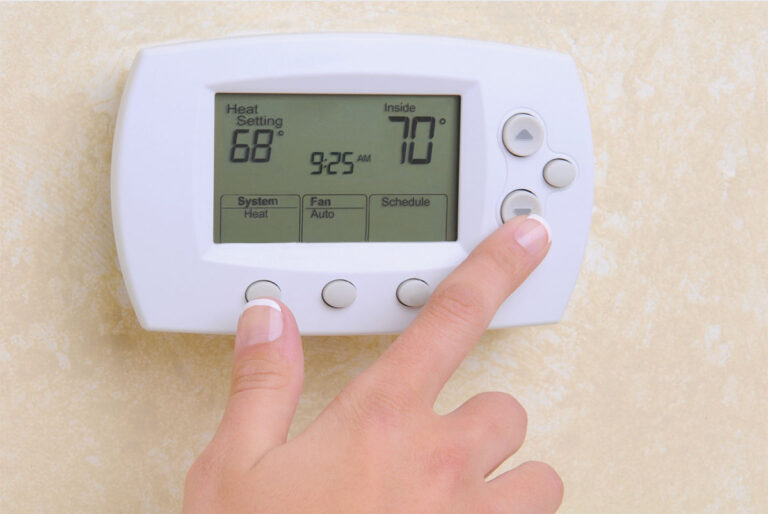
During the cooler winter months in Florida, if you’re using heat, aim for around 68 degrees Fahrenheit when you’re at home. Florida winters might be pretty mild, but adjusting the thermostat to match the chillier outdoor temps can help you cut down on your utility bills during this season.
Energy-Efficient Tips for Air Conditioning in Florida
Finding the perfect temperature for your air conditioning is only part of the equation. Here are some tips to help you achieve maximum efficiency with your AC unit:
1. Use a Programmable or Smart Thermostat
Investing in a programmable thermostat or smart thermostat is one of the best ways to manage your air conditioning settings efficiently. A smart thermostat will allow you to set different temperatures for different times of the day, which is a great way to optimize energy savings when you’re not at home. They can even learn your schedule and adjust the temperature automatically.
2. Leverage Ceiling Fans and Box Fans
Ceiling fans and box can be really helpful in circulating cool air throughout your home. They can help you feel cooler at higher temperatures, reducing the need for constant air conditioning. The Florida Power and Light Company suggests that using fans to complement your AC settings can result in noticeable energy savings. Just remember to turn them off when you leave the room, because fans cool people, not spaces.
3. Maintain Your HVAC System Regularly
Routine maintenance of your HVAC system is required for efficient operation. Dirty air ducts and filters can restrict airflow, causing your air conditioner to work harder and consume more energy. Scheduling regular inspections with HVAC professionals and replacing air filters every 1 to 3 months can help prevent unnecessary strain on your AC unit and keep your energy bill in check.
4. Monitor Humidity Levels
Florida’s high humidity levels can make it feel much warmer than the actual temperature. High humidity also encourages mold growth, which can result in mildew growth in your home. Dehumidifiers can help manage humidity levels, so you can set your thermostat at a higher temperature while still feeling comfortable. Many new air conditioners also come with built-in dehumidifiers. If you don’t have one, it might be time to start looking into replacement with a more energy efficient unit.
Adjusting for Individual Needs and Preferences
While 78 degrees Fahrenheit is a general recommendation for summer months, your personal preference plays the biggest role in determining the best temperature setting for your home. Factors like the time of day, your comfort level, and the specific layout of your home should all be considered. You might find that a slightly cooler temperature during the peak afternoon heat and a higher temperature during the rest of the day works best for you.
Making the Most of Mild Florida Winters
During Florida winters, you may find that you can give your AC unit a bit of a break. Lowering the thermostat to 68 degrees Fahrenheit or even turning off the air conditioning and relying on natural ventilation can result in substantial energy savings. Just keep in mind that prolonged exposure to humid air can still encourage mold growth, so make sure to monitor indoor air quality.
The Impact of Choosing the Right Temperature
Picking the best AC setting in Florida isn’t just about staying cool—it’s about finding that sweet spot between comfort and energy use. Smart thermostat settings, energy-efficient habits, and keeping your HVAC system in top shape can all help you save on your energy bills while keeping your home comfy.
Just remember, the ideal temperature is different for every home, so don’t be afraid to experiment a bit to find what works best for you and your family. And if you’re thinking about replacing your unit to boost energy efficiency, give Dolphin Cooling a call today!