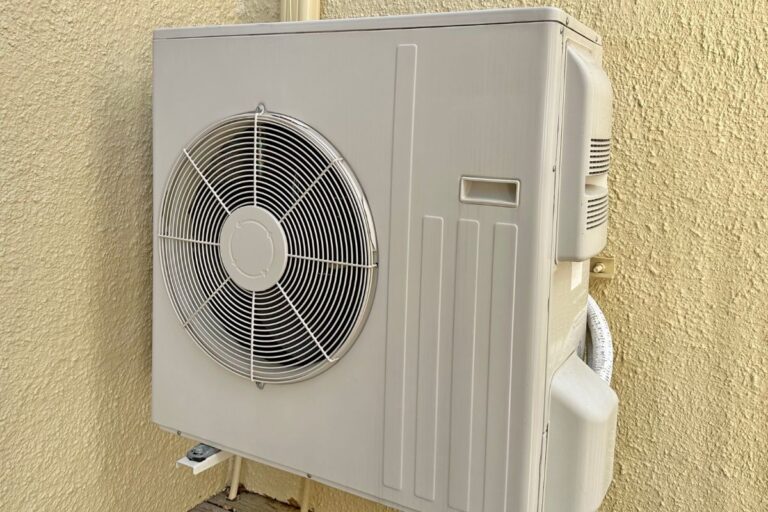

When it comes to cooling your home efficiently, we’ll compare two of the most popular choices here: ductless mini-splits vs central AC. Both options have their pros and cons, and the right choice depends on your home’s size, layout, and specific cooling needs. Whether you’re installing a new air conditioner in a new home or upgrading an older system, understanding the main difference between these systems can help you make an informed decision that fits your budget and lifestyle.
Taking a Closer Look: How Each System Works
A traditional central air conditioning system uses a network of ducts to distribute cool air throughout your entire home. A central unit, made up of an outdoor compressor unit and an indoor evaporator coil, works together to push cooled air through ducts hidden in walls, ceilings, and floors. This is a good option for larger homes that already have existing ductwork.
In contrast, ductless mini-split systems (also called mini splits or ductless systems) operate without ducts. They consist of an outdoor unit connected to one or more indoor air handlers via refrigerant lines that pass through a small hole in the wall. These indoor units cool specific areas or individual rooms, making them ideal for room additions, older homes without ductwork, or smaller homes where full ducts don’t make sense.
The Main Components
Both central HVAC systems and ductless mini-split systems have similar main components: a compressor, evaporator, and refrigerant, but they deliver cooled air differently.
- A central air conditioning system cools the whole house at once through a duct network.
- A ductless mini-split system cools specific areas or different rooms individually for zone control and better temperature control.
Efficiency and Energy Consumption
When comparing energy usage, ductless systems often come out ahead. According to the U.S. Department of Energy, ductless mini-splits can reduce energy loss by up to 30% compared to traditional central AC systems, which lose cooled air through leaky ducts. Their higher SEER ratings (seasonal energy efficiency ratio) mean they provide efficient cooling with less energy, helping to lower your energy bills and environmental impact.
However, central AC units can still be energy-efficient if your ducts are properly sealed and insulated. Many central air conditioners now feature variable-speed compressors and smart thermostats to optimize energy consumption.
Installation Costs and Long-Term Savings
Ductless mini-split systems generally have a higher upfront cost or initial investment, especially if you’re installing multiple indoor units for a multi-zone system. But they make up for it in the long run with lower energy costs, flexible temperature control, and reduced energy loss.
Meanwhile, central HVAC systems may be more affordable initially, particularly in new homes or larger homes that already include ductwork, but they can be more expensive to operate over time due to higher energy consumption and maintenance needs.
Which Is the Better Choice for Your Home?
The best way to choose between a ductless mini-split system and a central air conditioner is to consider your home’s specific needs:
- Older homes: A ductless mini-split system is an excellent choice since it doesn’t require ducts and can be installed with minimal construction.
- Room additions or renovations: Mini-splits are the better option for cooling specific areas without connecting to existing ducts.
- Larger homes or entire house cooling: A central system may be the best choice to maintain a constant temperature throughout the entire home.
- Smaller homes or apartments: Ductless mini-splits or mini-split heat pumps can provide efficient cooling without the space and cost of ducts.
- Heat pump systems: Many ductless heat pumps offer both heating and cooling, making them a versatile, energy-efficient system for year-round comfort.
The Bottom Line
Both ductless mini-split systems and traditional central air systems can deliver powerful, cool air and comfort for your living space. Your cooling system should fit your lifestyle, energy savings goals, and specific areas you want to cool.
If you’re looking for long-term savings, efficient cooling, and personalized zone control, a ductless mini-split system may be the better choice. But if your home already has duct work and you prefer whole-home comfort from one central unit, a central air conditioning system could be the right choice for you.
Whichever system you choose, be sure to consult a trusted HVAC professional to help you design the best way to meet your home’s cooling needs and maximize energy savings for years to come.