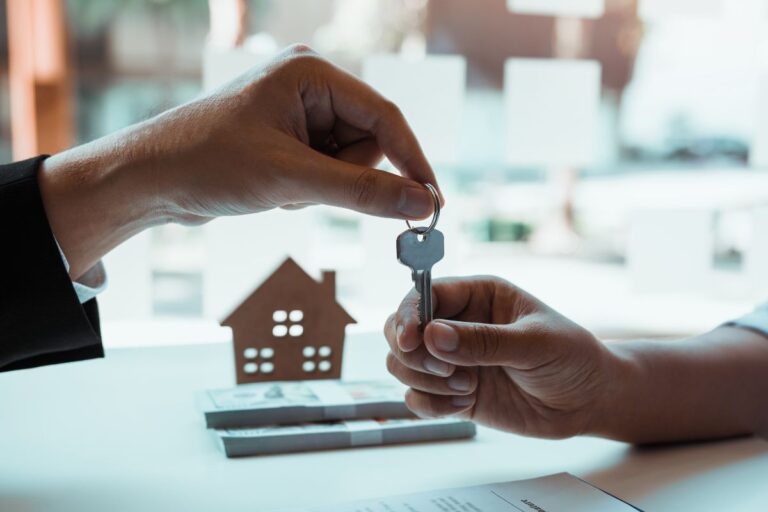
Buying your first home is an exciting experience, full of new opportunities and challenges. One crucial aspect of homeownership that often gets overlooked is the property’s HVAC system. This first-time home buyer’s HVAC checklist will help save you money and ensure you don’t end up with a surprise expense after purchasing your home. After all, it’s a significant investment that can greatly impact your comfort and utility bills.
Before diving into the HVAC checklist, it’s important to note that older systems, especially those in homes with a previous homeowner, may require more attention. These systems might have a higher risk of problems and could be a potential source of long-term costs. However, with the right knowledge and due diligence, you can ensure that you make the right choice for your future HVAC system.
First-Time Home Buyers HVAC Checklist
1. Assess the Current System:
- Determine the type of HVAC system in the home (e.g., heat pumps, air conditioners, etc.) and the specific model.
- Find out the age of the current system. On average, HVAC systems last about 10-12 years. Older models may require more upkeep and potentially have higher maintenance expenses.
- Review the maintenance history of the HVAC system. A well-maintained system is a positive sign, while a lack of maintenance could indicate potential issues.
2. Check for Signs of Problems:
- Listen for strange noises coming from the HVAC equipment. Odd sounds could signify underlying issues.
- Look for uneven airflow throughout the home. Unequal airflow could indicate wiring issues or problems with the ductwork.
- Note any strange odors coming from the vents. Unusual smells might indicate serious damage or a need for servicing.
3. Evaluate Energy Efficiency:
- Check the energy efficiency ratings of the current system. Strong AFUE (Annual Fuel Utilization Efficiency) ratings for heating systems and high SEER (Seasonal Energy Efficiency Ratio) ratings for cooling systems are desirable.
- Consider the overall state of the HVAC system in terms of energy efficiency. An updated HVAC system can lead to manageable utility bills and a smaller environmental impact.
4. Review Maintenance Expenses:
- Determine the maintenance costs associated with the current system. Much routine maintenance may be a sign of potential issues.
- Assess the potential out-of-pocket costs for any needed repairs or replacement units.
5. Seek Professional Opinion:
- Schedule an appointment with HVAC professionals for an in-depth opinion on the current system’s condition.
- Ask for details about the service history and any potential repair needs.
- Get a professional assessment of the HVAC system’s overall state and potential future expenses.
6. Consider Future Needs:
- Think about the long-term needs of the home and whether the current HVAC system is suitable.
- Explore the possibility of updating to a newer, more energy-efficient system to save on utility bills and reduce maintenance costs.
7. Look into HVAC Warranties:
- Inquire about any existing HVAC warranties that may transfer to you as the new homeowner.
- Consider purchasing additional warranties for peace of mind and protection against unexpected expenses.
Conclusion
With the right checklist and the know-how of an HVAC technician, first-time homebuyers can gain a much better sense of the overall condition of the system and make an informed decision about your potential new home. Remember, updating to an updated HVAC system with great energy efficiency can not only keep your home cozy but also lead to substantial savings on utility bills over the entire season. So, if you notice any signs of problems or have concerns about the current system’s age and maintenance history, don’t hesitate to reach out to the experienced HVAC team at Dolphin Cooling for an appointment today.
Making the right choice for your HVAC system is a significant investment, but with proper due diligence and the guidance of professionals, you can ensure outstanding work and peace of mind for years to come.