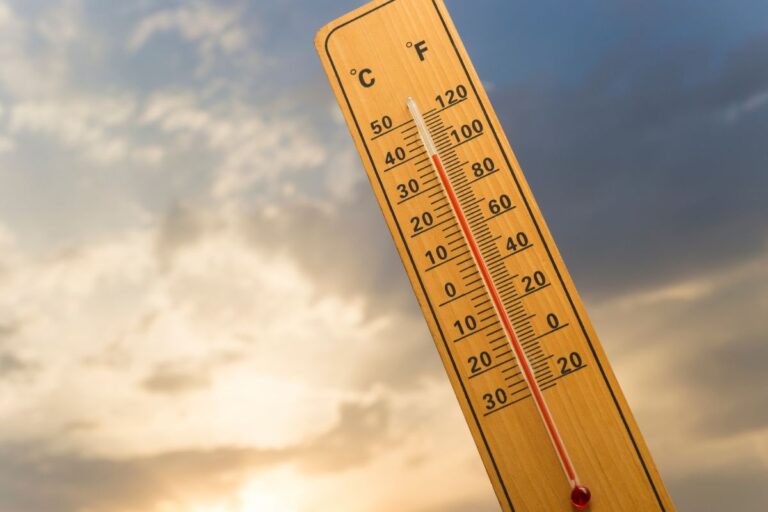

Here in Southwest Florida, we know a thing or two about heat. When the outdoor temperature hits 100 degrees—or even creeps close to it—it’s tempting to crank the thermostat way down. If you’ve experienced this, you might be wondering: How cool should my house be if it’s 100°F outside?
The answer is more technical than you might expect, and it can have a big impact on your energy bills, HVAC system, and indoor comfort.
The 20-Degree Rule: What It Means for Your AC
Most residential air conditioning systems are built to handle a temperature difference of about 20 degrees Fahrenheit between outside air and your indoor temperature. So, if it’s 100°F outside, your AC unit is performing as expected if your home stays around 78–80°F. Trying to push your thermostat setting to 70°F or lower on a 100-degree day puts excessive strain on your mechanical system and rarely results in significantly cooler air.
We’ve seen plenty of systems struggle—or even fail—during extremely hot days due to these unrealistic expectations. That’s why we educate our SWFL customers on the 20-degree rule and how to get the most from their systems without sacrificing comfort.
The Cost of Pushing Your AC Too Hard
Setting your thermostat too low during a heat wave won’t make your home cooler faster, but it will:
-
Increase energy usage
-
Drive up utility bills
-
Cause your HVAC system to run longer than necessary
-
Lead to wear and tear on components like your evaporator coils
-
Reduce energy efficiency and potentially shorten your system’s lifespan
When summer temperatures soar, your system is already working hard to push cool indoor air temperature into your home while fighting off hot air from outside. Add air leaks, dirty filters, or high humidity, and you have the perfect storm for poor performance and sky-high energy costs.
How to Help Your AC Unit Perform Better on 100-Degree Days
Living in Southwest Florida means we deal with sustained high temperatures and muggy days. But with the right steps, your home can stay comfortable, even during extreme temperatures.
Here’s what we recommend:
-
Use ceiling fans to improve air circulation
-
Seal air leaks around windows and doors to keep cool air inside
-
Keep blinds and curtains closed during the hottest parts of the day
-
Replace dirty filters regularly
-
Schedule regular maintenance to keep your system in excellent condition
-
Install a programmable thermostat to optimize energy savings throughout the day
-
Avoid using the oven or dryer during the peak heat of the day
-
Consider shade trees or awnings to reduce heat of the day impact on your home
These steps not only help your system run more efficiently, but they also extend its life and minimize the risk of breakdowns.
What If Your Home Still Feels Too Warm?
If your AC is running but your home’s temperature still won’t drop, it might be time to take a closer look. There could be an issue with the AC size in relation to your square footage, or your heat pump or air conditioner may not be providing enough cooler air to match the outdoor conditions.
Sometimes it’s a matter of uneven cooling, especially in homes with poor duct design or aging systems. We also see problems when a home has an oversized unit, which can cool the space too quickly without removing enough humidity, making your home feel clammy instead of comfortable.
Conclusion
If the outdoor temperature hits 100°F, aim to keep your home’s temperature around 75–78°F. Don’t fight your system—work with it. The right settings, smart habits, and regular maintenance go a long way toward keeping your home cool and your energy costs in check.
If you’re experiencing discomfort despite your AC running nonstop, give our experienced team a call. We’ll help you find a better solution to stay cool through every heat wave Southwest Florida throws your way.