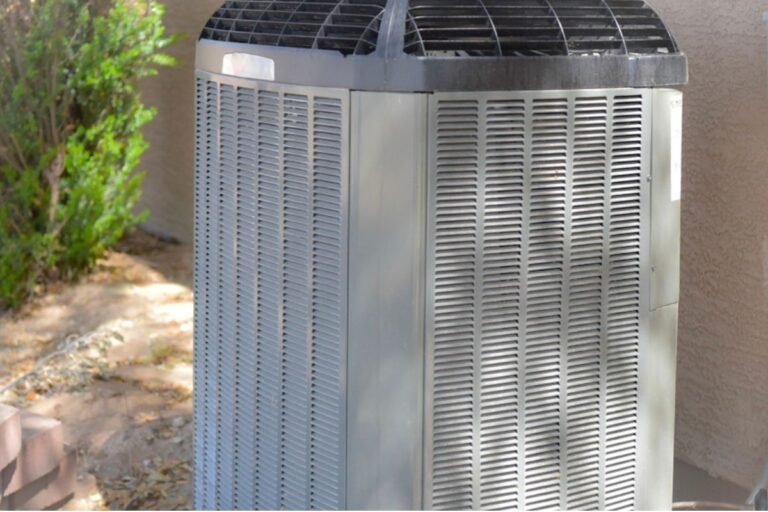

If you live in the Sunshine State, you already know the heat can be intense, especially during those long summer months when the air feels heavy and sticky. While the beautiful beaches and sunny days are part of what makes living here great, you might be wondering how Florida heat affects your HVAC system. From high humidity levels to salty air in coastal areas, your cooling system works harder than most parts of the country to keep your home comfortable.
Let’s explore the effects of Florida’s heat on your HVAC unit, what it means for your energy costs, and what proactive steps Florida homeowners can take to keep their air conditioning running efficiently year-round.
How Florida Heat Affects Your HVAC System
1. The Combination of High Temperatures and Humidity
The combination of high temperatures and Florida’s humidity puts extra strain on your air conditioner. Unlike mild winters in other states, Florida weather means your HVAC unit gets extra use almost all year long. The humid climate makes it harder for your cooling system to remove excess moisture from the air, forcing the evaporator coils to work overtime.
Over time, that extra stress can lead to short cycling, refrigerant leaks, and system failure if not addressed through regular maintenance.
2. Extra Strain Equals Higher Energy Bills
When your air conditioning system runs more frequently due to Florida’s unique climate, your energy use and energy consumption naturally increase. The U.S. Department of Energy reports that the average American spends nearly half of their home’s energy costs on heating and cooling, but in hot climates like Florida, that percentage is even higher.
If you’ve noticed higher energy bills during the summer temperature peaks, that’s a sign your system may be compensating for poor insulation, dirty air filters, or improper thermostat settings. Keeping your HVAC unit clean and scheduling routine maintenance are simple ways to improve energy efficiency and reduce your energy costs.
3. Moisture, Mold, and Indoor Air Quality
Excess humidity can cause more than discomfort; it can affect your indoor air quality and even your health. In a humid climate, excess moisture promotes mildew growth and allows mold spores to thrive. That’s why many Florida homeowners install a whole-home dehumidifier or air purifiers to reduce health risks and maintain a comfortable indoor environment.
If you’ve ever noticed warm air blowing when your cooling system should be delivering cool air, you may have dirty air filters, dirty evaporator coils, or even low refrigerant levels. These are common HVAC issues that can be prevented with regular HVAC maintenance.
4. The Salty Air Factor in Coastal Areas
If you live near the coastal areas, the salty air can corrode electrical components and metal parts of your outdoor unit. This can lead to costly repair needs or even full system failure over time. The good news is that with regular maintenance from a professional technician, you can protect your Florida HVAC system from salt-related damage.
Consider using a surge protector as well, since power surges and power outages are common during severe storms and strong winds. These can damage your heat pump, compressor, or other electrical components, issues that are much more expensive than preventive care.
5. Why Regular Maintenance Is a Must in Florida
Because Florida’s heat is relentless, regular HVAC maintenance is essential. During routine maintenance, HVAC experts will inspect your refrigerant levels, clean evaporator coils, replace dirty filters, and check for refrigerant leaks. These steps not only extend the life of your system but also help maintain energy efficiency and keep your home at the right temperature.
It’s also a good idea to upgrade to a programmable thermostat or smart thermostat, which allows you to adjust thermostat settings automatically for cooler months or summer months. Smart technology helps lower energy use without sacrificing a comfortable temperature indoors.
6. Weather Conditions and Outdoor Units
Florida’s weather conditions, from heavy rain to severe storms, can take a toll on your outdoor unit. Keeping it clear of debris, leaves, and dirt helps maintain airflow and prevent overheating. If your HVAC system is located near exterior doors, be mindful of how hot air or humid air might enter when doors are open frequently, as that can cause your air conditioner to work even harder.
Installing shading or a barrier around your outdoor unit can also help minimize extra stress caused by direct sunlight exposure, one of the biggest issues in the Sunshine State.
Modern HVAC Systems Are Built for the Challenge
The good news is that modern HVAC systems are designed to handle the unique challenges of Florida’s climate. Many HVAC experts recommend systems that include whole-home dehumidifiers or advanced filtration to combat excess humidity. These features help reduce mildew growth, improve indoor air quality, and keep your air conditioning system running smoothly through even the most humid summers.
If you’re considering replacing an older system, investing in one rated for energy efficiency and built for hot climates is the best move. A professional technician at Dolphin Cooling can help you choose a Florida HVAC system that meets your home’s needs and lowers your energy consumption.
Stay Cool and Proactive
Living in Florida means embracing the sunny days, beautiful beaches, and yes, the Florida heat. But it also means taking proactive steps to care for your HVAC system so it can handle the combination of high temperatures and Florida’s humidity year after year. By keeping up with regular maintenance, checking your refrigerant levels, and upgrading to a smart thermostat, you can prevent costly repair issues, lower high energy bills, and enjoy a comfortable indoor environment no matter how hot it gets outside.
If you’re not sure where to start, schedule a tune-up with Dolphin Cooling. A well-maintained air conditioner not only improves comfort but also ensures your home stays efficient, healthy, and ready for another season in the Florida climate.