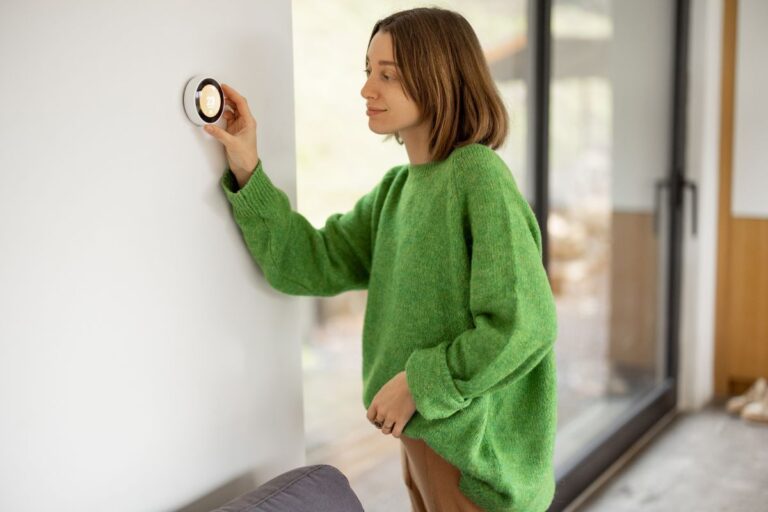

When the summer months in Southwest Florida roll in, so does the heat, and with it, the question many homeowners ask: How many degrees cooler should a house be than outside? It’s a simple question with a surprisingly complex answer. As your trusted AC company in SWFL, we’re here to break it down and help you find the best way to keep your home cooler while protecting your energy bill and HVAC system.
The Rule of Thumb: 20 Degrees Cooler
A general rule of thumb is to set your indoor temperature to be about 20 degrees Fahrenheit cooler than the outside temperature. So, if it’s 95°F outside, you might aim for 75°F inside. However, that degree difference isn’t always achievable or efficient. Your AC unit is working overtime in extreme heat, and trying to push past that 20-degree drop may result in higher utility bills, more energy use, and unnecessary strain on your entire house’s HVAC system.
The U.S. Department of Energy’s Recommendation
The U.S. Department of Energy recommends keeping your thermostat setting at 78°F when you’re home during the summer. This balance helps maintain comfortable temperatures while reducing your energy bill.
If you want to save even more, raise your thermostat a few degrees when you’re not home using a programmable thermostat or a smart thermostat. These tools allow your system to automatically adjust based on your schedule, which reduces energy use without sacrificing your home’s comfort.
Helping Your System Work Smarter, Not Harder
Whether you’re using a traditional air conditioner, a heat pump, or a modern HVAC system, how well your system performs depends on maintenance and the environment. Here are a few proactive measures to help your system work at its best:
- Change dirty filters regularly: Dirty filters reduce airflow and make your AC less effective.
- Schedule regular maintenance: Clean condenser coils and inspect the evaporator coil.
- Use ceiling fans: They help circulate cool air and allow you to raise the thermostat by a few degrees without sacrificing comfort.
- Close blinds during the hottest part of the day: Prevent hot surfaces and a temperature rise.
- Seal air leaks: Stop outside air temperature from creeping in.
- Check your thermostat’s placement: Avoid putting it near hot weather sources like exterior walls, electrical appliances, or in direct sunlight.
What If My Home Never Feels Cool Enough?
If your home feels warm even though your air conditioning is running nonstop, it could be a sign of:
- Air filters clogged with dust
- Leaky duct systems
- An AC system that’s simply outlived its energy efficiency ratio
- Or even an oversized unit, causing uneven room temperature
Dolphinb Cooling can help you evaluate all of this during a routine inspection. Contact us to schedule an inspection.
So, What’s the Best Temperature for My House?
Here’s a simple breakdown for summer days:
- At home: 75°F to 78°F for comfort and efficiency
- Away from home: 80°F to 85°F (use your smart thermostat)
- Very hot days: Expect a temperature difference of 15–20°F between inside and outside
- Next time there’s a heat wave, don’t try to reach 65°F, it’s not worth the strain on your AC unit
Conclusion
At the end of the day, your comfort level is key. The best way to find your ideal temperature settings is to balance your desired temperature with realistic expectations during hot weather. Remember, your home’s temperature doesn’t need to match the inside of a freezer, it just needs to be a cooler air haven from the outside temperature.
If your electric bill is climbing or your AC unit is struggling to keep up, give the Dolphin Cooling team a call. We’ll help you optimize your air conditioning setup, recommend window coverings, and keep your home running efficiently all summer long.