
When summer hits and temperatures skyrocket, many homeowners wonder: Is it cheaper to run a window air conditioner or central air? The answer depends on how large your space is, how much energy each system uses, and your cooling goals. In this guide, we’ll break down the pros, cons, and real-world energy costs of window units vs. central air conditioning, helping you make an informed decision about which cooling method is the best option for your home, both in the short term and the long run.
Understanding the Two Types of Cooling Systems
Window Air Conditioners
- Window AC units are self-contained systems designed to cool a single room or small space, like a living room, bedroom, or ground floor area.
- They’re a popular choice for apartments, rentals, or homes without existing ductwork.
- Since they cool just individual rooms, they require less energy, often at a fraction of the cost of whole-house systems.
Central Air Conditioning Systems
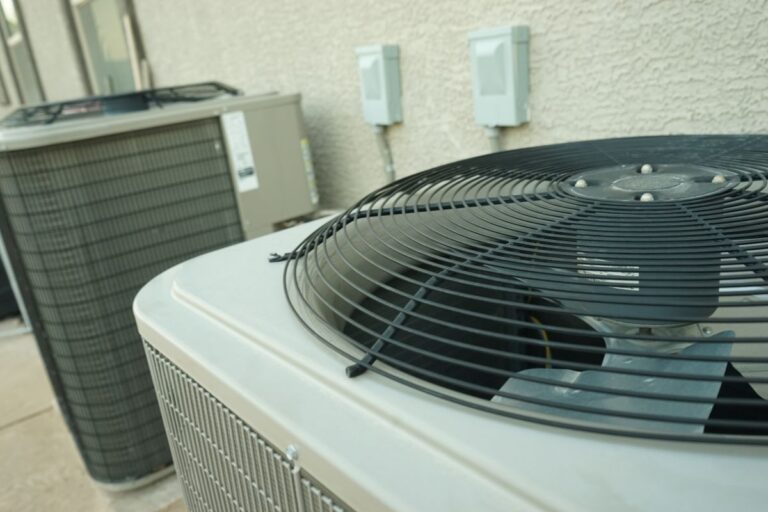
- A central air conditioner cools the entire home using a network of ducts, an air handler, and a compressor unit or condenser unit located outdoors.
- These systems are ideal for larger homes, multi-story layouts, or anyone wanting even temperature control and improved air quality across the entire house.
- They’re usually controlled with a programmable thermostat or smart thermostats, offering a better job at maintaining indoor comfort throughout the day.
Initial Cost vs Long-Term Energy Consumption
| System Type | Average Cost | Energy Usage | Best For |
|---|---|---|---|
| Window AC Units | $150–$800 | Low | Smaller spaces or single rooms |
| Central AC System | $3,000–$8,000+ | Moderate–High | Whole-home cooling |
| Ductless Mini-Split Air Conditioner | $1,500–$5,000 | Low–Moderate | Add-on spaces, no ductwork homes |
Part of the reason central units are more expensive is because they require professional installation, ductwork, and careful sizing based on the size of your home, but they often provide greater indoor air comfort and increase home value. Window air conditioners, on the other hand, can be slid into your window frame and plugged in, making them a great way to cool off quickly with minimal up-front cost.
Energy Cost Breakdown: Window AC vs Central Air
When comparing energy consumption, here’s what you need to know:
- Window air conditioners typically use 500–1,500 watts and are efficient in smaller spaces.
- A central AC unit may require 3,500 watts or more, especially when paired with heat pumps or older air handlers.
- Your electric bill also depends on your average electricity rate, thermostat settings, and how many degrees Fahrenheit you’re trying to cool down from your indoor temperature.
In general, it’s cheaper to run a window air conditioner if you’re only cooling one room for a few hours a day. But cooling a large house with several window ac units can quickly become inefficient and lead to higher electricity bills.
When Central Air Comes Out Cheaper
If your goal is to cool your entire house, keep air flowing evenly, and maintain air quality, a central air unit may be the best way to go, especially if your home’s layout has hot spots, sun exposure, and multiple stories. With seasonal energy efficiency ratio (SEER) ratings getting better each year, newer central systems can actually save energy costs over time, particularly in hot climates where you’re running the AC for long stretches.
Adding smart thermostats and zoning systems can further cut energy usage, letting you cool only the spaces you’re spending time in, instead of the whole house.
What About Portable AC Units and Mini-Splits?
Portable unit air conditioners are flexible for renters but tend to be less efficient. Mini splits (also called ductless mini-splits or ductless air conditioners) are excellent middle-ground systems for bonus rooms, additions, and renovations where installing full central ductwork isn’t feasible. They provide cool air to specific zones with quieter operation and long-term energy savings.
Final Verdict: Which Is Cheaper?
To answer the question “Is it cheaper to run a window air conditioner or central air?” consider these points:
- Cooling one room? A window air conditioner is usually cheaper and more energy efficient.
- Cooling the entire home daily? A modern central ac system will likely lower your energy bills over the long run, especially with high-SEER ratings, good air filters, and a programmable thermostat.
- Working with multiple smaller spaces or unique layouts? A ductless mini-split air conditioner could be a smart compromise.
Ultimately, the size of the space, unit size, home size, and how much cool air you truly need will help you make the informed decision.
Good news: with so many HVAC system options on the market, from best portable air conditioners to full whole-house ac, there’s a right air solution out there to fit every budget, lifestyle, and indoor comfort need. Want help figuring out which AC system is right for your space? Contact Dolphin Cooling today.