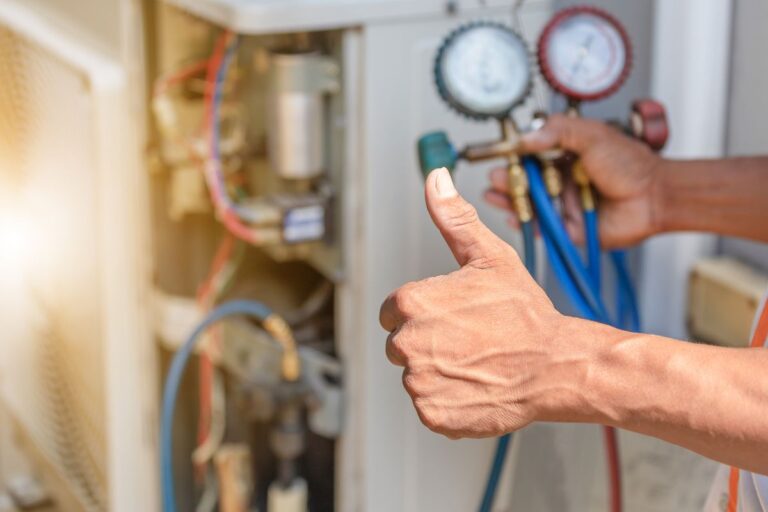

Summer heat in SWFL can make you rethink your energy usage, and you may be wondering: Is it OK to turn off your HVAC system during the summer? While it may seem like a good way to save money, there are several factors to consider before you make that decision. Let’s break down the pros and cons, and explore the best alternatives for energy savings without sacrificing comfort.
The Risks of Turning Off Your HVAC in Summer
While turning off your AC in the summer is not going to destroy your system, there are a few things you should consider first:
Extreme Indoor Temperatures
If you completely turn off your HVAC, indoor temperatures can skyrocket, making your home unbearably hot and uncomfortable. This can be especially dangerous for pets, young children, and elderly people.
Increased Humidity Levels
Your HVAC system helps regulate humidity levels inside your home. When it’s turned off, moisture can build up, leading to mold growth, musty odors, and potential damage to furniture and walls.
Strain on Your HVAC System
Completely shutting off your system and then turning it back on can put a lot of strain on the unit. HVAC systems work more efficiently when they maintain a consistent temperature rather than trying to cool down an overheated house from scratch.
Alternatives to Turning Off Your HVAC
If your goal is to save money and keep your home comfortable, consider these energy-efficient alternatives instead of turning off your HVAC:
- Raise the Thermostat Setting – Instead of shutting off the system, set your thermostat a few degrees higher when you’re not home. The U.S. Department of Energy recommends keeping it at 78°F (26°C) when you’re home and raising it a bit when you’re away.
- Use a Programmable or Smart Thermostat – A smart thermostat allows you to schedule temperature changes based on when you’re home or away. Some models even adjust automatically based on outdoor conditions and your habits.
- Improve Home Insulation – Proper insulation, weatherstripping, and energy-efficient windows help keep the cool air inside, reducing the workload on your HVAC system.
- Utilize Fans and Natural Ventilation – Ceiling fans, box fans, and open windows in the early morning or late evening can help improve airflow without overusing your AC.
- Keep Heat-Producing Appliances in Check – Reduce indoor heat by using the oven, stove, and other heat-generating appliances less frequently during peak daytime hours.
Final Thoughts: Should You Turn Off Your HVAC in Summer?
In most cases, it’s not a good idea to turn off your HVAC system completely in the summer. The risks of excess heat, humidity, and system strain outweigh any short-term energy savings.
Instead, opt for energy-efficient cooling strategies like raising the thermostat, using fans, and improving insulation to stay comfortable while keeping energy costs in check.
If you’re looking for more ways to optimize your cooling system or need professional HVAC maintenance, contact Dolphin Cooling. Staying cool and energy-efficient has never been easier!