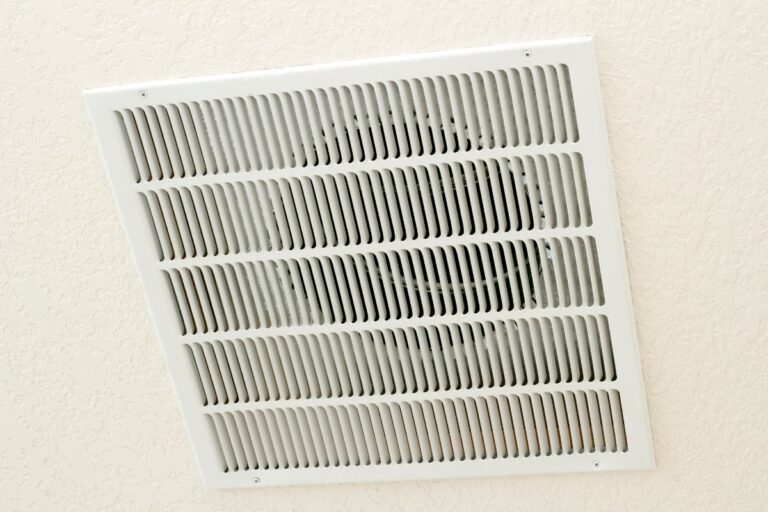

If you’ve ever turned on your air conditioner and noticed a musty odor or black dust coming from your vents, you might be dealing with mold in air vents and your HVAC system as a whole. Mold spores can spread quickly, causing health problems like itchy eyes, runny nose, sore throat, and even respiratory issues. Here’s the best way to tackle a mold problem in your air ducts and prevent it from coming back.
Identifying the Mold Problem
Visual Signs of Mold
Look for black spots, visible mold, or any type of mold around your air vents, ceiling vents, or the inside of the air vents. Black mold is particularly notorious for its toxic mold spores and the health risk it poses.
Musty Smell
A persistent musty smell is a clear indicator of mold in air vents.
Physical Symptoms
You or your family members may experience allergy-like symptoms, like skin irritation, itchy eyes, or difficulty breathing. These can be signs of mold exposure, especially in a damp environment.
Why Mold Grows in Your HVAC System
Mold thrives in environments with excess moisture, warm temperatures, and poor ventilation. Your air conditioning system can create the perfect environment for mold growth, especially if there are water leaks, water damage, or a clogged drip pan. Humidity levels inside your home can also contribute to mold problems.
Getting Rid of Mold in Air Vents
Turn Off the HVAC System
Before you start cleaning, ensure the HVAC unit is turned off to prevent mold spores from spreading throughout your home.
Clean the Vents
Remove vent covers and wash them with soapy water and a cup of water mixed with a bit of laundry detergent. This will help remove any visible mold or black dust.
Air Duct Cleaning
Use a HEPA vacuum to clean the inside of the air ducts. This helps capture mold spores and dust particles effectively. For thorough cleaning, you might consider hiring a professional mold remediation service.
Clean the Drip Pan
Check the drip pan for water buildup and clean it regularly to prevent excess moisture from accumulating.
Replace Air Filters
Regularly changing your air filters can significantly improve indoor air quality and prevent mold spores from circulating.
UV Light Installation
Installing UV lights within your HVAC system can help kill mold spores and bacteria, preventing future growth.
Preventing Mold from Returning
Regular Maintenance
Schedule regular maintenance for your HVAC system. A certified mold inspector or an HVAC contractor with years of experience can spot potential issues before they become serious problems.
Control Humidity Levels
Use dehumidifiers to maintain optimal humidity levels in your home, ideally between 30-50%.
Improve Ventilation
Make sure your home has good ventilation to prevent a damp environment. This might involve using exhaust fans or opening windows when the weather allows.
Fix Water Leaks
Address any water leaks or water damage promptly to prevent mold-friendly conditions from developing.
Regular Cleaning
Keep your home clean and dust-free. Regularly clean your air vents, ceiling vents, and duct system to prevent the buildup of mold and dust.
Final Thoughts
Maintaining a clean and mold-free HVAC system is important for your indoor air quality and overall health. By addressing the source of the problem and taking preventative measures for mold in air vents, you can keep your air conditioning system running smoothly and your home environment healthy.
Remember, the only way to truly tackle a mold problem is through regular cleaning, proper maintenance, and being aware of potential mold-friendly conditions. The good news is, with these steps, you can enjoy cool air without the worry of mold spores. The even better news? Dolphin Cooling can take care of that regular maintenance for you with one of our maintenance plans. Contact Dolphin Cooling today for more information.