
When most people think about Naples, Florida, they think about sunny days, beach weather, and high cooling costs, not heating. But even in Southwest Florida, heating your home during the cooler months can still lead to a higher energy bill if you’re not careful. These Tips for Cutting Heating Costs in Naples Florida will help you use less energy, lower your utility bills, and keep your home comfortable without wasting money.
While heating needs are mild compared to northern states, inefficient systems, poor insulation, and outdated habits can quietly drive up heating costs. The good news? There are plenty of easy ways to improve energy savings and keep your HVAC system running at peak efficiency.
Understand Your Heating System and Energy Use
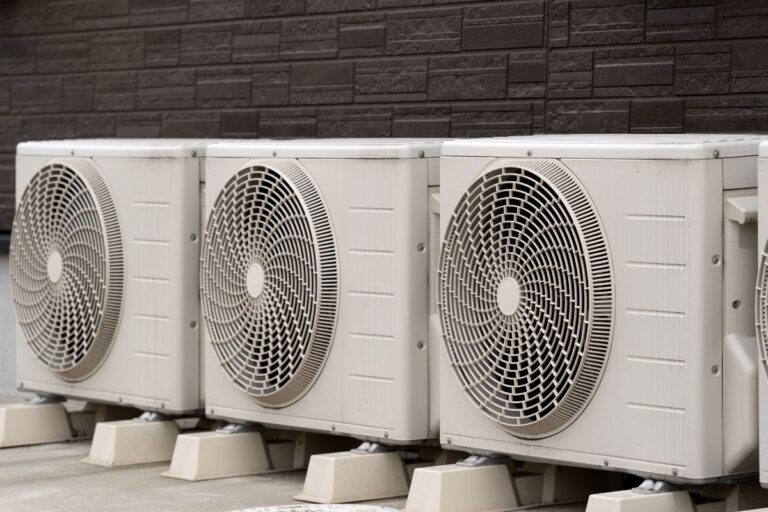
Before cutting costs, it helps to understand how your heating system affects overall energy consumption. Many Naples homes rely on a heat pump, which is one of the most efficient ways to heat and cool a home in Florida’s climate. A heat pump doesn’t create heat, it moves warm air, which means lower energy usage when it’s working properly.
However, if your system is aging or not in top shape, it may use more electricity than necessary. Older systems, especially in an older home, can struggle to maintain comfortable indoor temperatures, leading to higher heating bills and increased energy costs.
Adjust Your Thermostat Settings Strategically
One of the easiest ways to lower heating costs is to manage your thermostat temperature wisely. The U.S. Department of Energy recommends setting your thermostat lower when you’re sleeping or away from home.
- Use a programmable thermostat or smart thermostat
- Aim for an eight-hour setback when possible
- Adjust temperature settings based on the time of day
Even lowering your thermostat a few degrees Fahrenheit can result in noticeable energy savings over time. Many modern thermostats include a mobile app, making it easy to control your thermostat setting remotely.
A smart thermostat is a great way to monitor energy use, improve comfort, and reduce your electric bill, especially during fluctuating winter weather.
Use Ceiling Fans the Right Way
Many homeowners don’t realize that ceiling fans can help reduce heating costs. During the winter months, set the direction of your ceiling fan blades to rotate clockwise at a low speed. This helps push warm air down and improves heat circulation without creating a draft.
Since ceiling fans use very little electricity, this is one of the most effective ways to stay comfortable while using less energy.
Seal Air Leaks and Improve Insulation
Heat loss is a major reason for high heating bills, even in mild climates. Poor insulation, leaky windows, and old windows allow hot air to escape and cold air to sneak in.
Focus on:
- Air sealing around doors and windows
- Adding or upgrading attic insulation
- Improving your home’s insulation overall
Proper home insulation helps maintain stable indoor air temperatures and reduces strain on your HVAC system. If your home has a fireplace damper, make sure it’s closed when not in use to prevent unnecessary heat loss.
Take Advantage of the Florida Sunshine
Naples is known for bright, sunny days, even in winter. One simple tip: open curtains during the day to let natural sunlight warm your home. This free heat source can reduce reliance on your heating system and lower energy consumption. Just remember to close curtains at night to keep warmth inside.
Keep Up With Regular Maintenance
Routine regular maintenance is essential for keeping your HVAC system operating at maximum efficiency. A neglected system works harder, uses more electricity, and is more likely to suffer costly breakdowns.
Maintenance should include:
- Replacing air filters (especially if you have dirty filters)
- Cleaning coils and components
- Checking refrigerant levels
- Ensuring safe electrical connections
A seasonal tune-up ensures your system stays in peak performance during the cooler months and transitions smoothly into the summer months.
Don’t Forget About Your Cooling System
Even while focusing on heating, your cooling system plays a role in overall energy usage. Many systems share components, so an inefficient air conditioner can still affect your winter energy costs. Keeping your air conditioner well-maintained helps reduce long-term wear, improves cool air distribution in warmer weather, and lowers future cooling costs.
Be Smart With Space Heaters
Space heaters can seem like a quick fix, but they often lead to higher costs and increased energy consumption if overused. While they may help warm a single room using body heat retention, relying on multiple space heaters can dramatically increase your electric bill.
If you do use one:
- Limit usage to occupied rooms
- Never leave it unattended
- Use it sparingly
Your central heating system is usually more efficient for whole-home comfort.
Upgrade Lighting and Appliances
Small upgrades can make a big difference in energy savings. Replace outdated incandescent bulb or halogen bulbs with Energy Star LED options. LEDs use significantly less electricity and produce less heat, reducing unnecessary energy waste.
Also, keep household appliances efficient:
- Clean refrigerator coils
- Use appliances during off-peak hours
- Reduce standby power usage
These changes lower energy usage and reduce strain on your electric company account.
Lower Water Heating Costs
Water heating is a major contributor to household energy consumption. Set the temperature of your water heater to an efficient level and wash clothes in cold water whenever possible.
Lowering water heating demand helps reduce overall utility bills, especially during months when your heating system is already running.
Schedule an Energy Audit
Professional energy audits identify inefficiencies such as poor insulation, air leaks, and outdated equipment. Many energy companies or utility providers offer audits or rebates for improvements.
An audit can help you:
- Reduce your carbon footprint
- Improve comfort
- Create a more energy-efficient home
It’s a great time to consider upgrades before extreme weather, whether it’s a winter cold snap or a summer heat wave.
Consider Long-Term Energy Solutions
If you’re planning upgrades, consider:
- Installing solar panels
- Upgrading to a high-efficiency heat pump
- Replacing aging HVAC equipment
These long-term investments can dramatically lower energy costs, improve peak efficiency, and protect your home during hurricane season power fluctuations.
Small Changes, Big Savings
Cutting heating costs in Naples doesn’t require major sacrifices. With smart thermostat adjustments, proper insulation, routine maintenance, and mindful energy habits, homeowners can significantly reduce heating bills and lower energy bills year-round.
These tips for cutting heating costs in Naples Florida are designed to help you stay comfortable, save money, and keep your HVAC system running efficiently, all while reducing your overall energy consumption. A little planning now can lead to lasting comfort and savings, no matter the season.