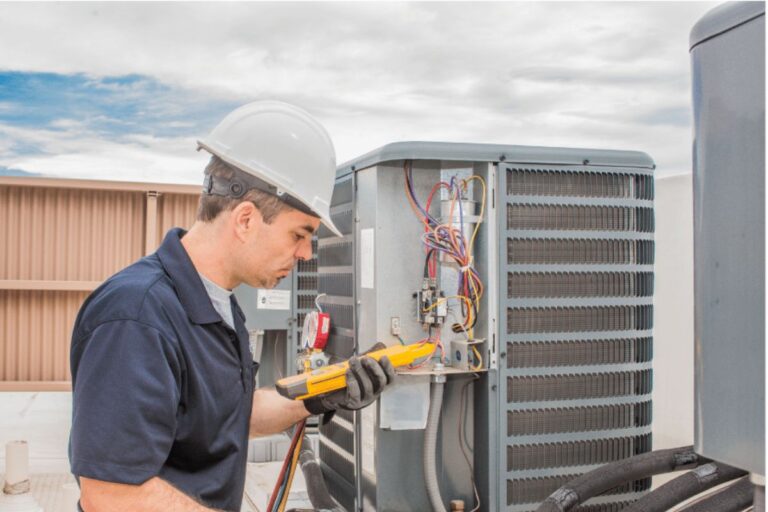
If you’ve wondering, “Why does my AC system keep overheating?”, we can help. An overheating air conditioner is a common problem, especially during the hottest parts of the day or in periods of extreme temperatures. Understanding the common reasons behind an overheating AC can help you avoid costly repairs and ensure your HVAC system delivers cool air when you need it most.
Common Reasons Your AC Keeps Overheating
Several factors can contribute to an overheating air conditioner. Knowing these warning signs is the first step toward proper care and timely AC repair.
1. Dirty or Clogged Air Filters
One of the most common culprits is a dirty air filter. When AC air filters are clogged with dust, pet dander, and other airborne particles, the indoor unit struggles to circulate enough cool air. This reduces adequate airflow and forces the AC system to work harder, leading to an overheating issue. Replacing or cleaning air conditioner filters every 1-3 months is one of the best ways to prevent this.
2. Low Refrigerant Levels or Refrigerant Leaks
Your cooling system relies on the closed-loop system of refrigerant lines and the air conditioner’s outdoor unit to keep your home cool. Low refrigerant levels caused by refrigerant leaks can reduce coolant flow and make the AC compressor overwork, ultimately causing the AC to overheat. Professional HVAC technicians should handle refrigerant issues, as improper handling can lead to serious problems.
3. Dirty Condenser Coils or Dirty Coils in General
The air conditioner’s outdoor unit houses condenser coils that dissipate heat from your HVAC system. Over time, these coils can become dirty or coated with debris, making it harder for the condenser fan to remove heat efficiently. Dirty fan blades and clogged coils restrict airflow, forcing the system components to overwork and leading to overheating.
4. Electrical Issues and Circuit Breakers
An overheating AC may also be the result of electrical problems. Loose connections, faulty fan motors, or issues with your air handler’s motor can prevent system components from running properly. Additionally, repeated tripping of a circuit breaker can indicate underlying electrical problems in the HVAC unit that need professional maintenance.
5. Mechanical Failures and Overworked Components
Overheating systems can result from overworked or failing parts. The air conditioner compressor, evaporator coils, or indoor blower motor may become stressed due to extreme temperatures or short cycles. Signs like unusual noises, warm air from vents, or a failing condenser unit are warning signs that your system needs immediate attention from a licensed HVAC technician.
6. Thermostat Malfunctions
Sometimes, the root cause isn’t the AC itself but the thermostat. Malfunctions can prevent the system from cycling properly, causing it to run too long and overheat. Ensuring your thermostat is functioning correctly and programmed properly can prevent unnecessary strain on the HVAC system.
Best Ways to Prevent Your AC from Overheating
The best way to avoid an overheating air conditioner is through regular AC maintenance and proper care of all system components. Here are some proactive tips:
- Schedule routine maintenance with professional HVAC technicians at least once a year.
- Replace or clean AC air filters every 1-3 months.
- Keep condenser units free from debris and clean fan blades.
- Monitor refrigerant levels and check for leaks with a licensed HVAC technician.
- Inspect electrical parts, circuit breakers, and loose connections regularly.
- Avoid setting the thermostat too low on the hottest parts of the day to prevent overworking the system.
By following these steps, you can protect your cooling system, improve indoor air quality, and prevent an overheating AC from causing serious issues or costly repairs.
When to Call a Professional
If your HVAC unit continues to overheat despite proper care, it’s time to call an air conditioner repair professional. A licensed HVAC technician at Dolphin Cooling can diagnose refrigerant issues, mechanical failures, electrical problems, and other hidden culprits to restore your system’s efficiency. Waiting too long can not only reduce the life of your AC compressor but also impact the rest of the system, leading to even more extensive and expensive repairs. Contact us to schedule your appointment today.