If you’ve ever wondered why your AC runs constantly in humid weather, you’re not alone. During the summer months, especially on extremely hot days with high outdoor humidity, your air conditioning system has to work longer and harder to keep your home cool and maintain comfortable indoor temperatures. High indoor humidity, humid air, and warm air entering the home can all increase air conditioner cycle times. The good news? Continuous operation is a common issue, and most of the time, there are clear reasons behind it.
Below are the most common reasons your AC unit struggles during peak humidity, and what to do about it.
Why Your AC Runs Constantly in Humid Weather
1. Humid Air Makes Your AC Work Harder
Your AC doesn’t just cool hot air; it also removes moisture. When there’s more than enough humidity in the air, especially when outdoor humidity levels are high, the system runs longer to pull enough moisture from your living spaces. On days with high dew point readings, long run times are normal.
If you notice your system runs nonstop, it may simply be battling a humidity problem rather than a mechanical issue.
Read more about humidity levels in your home: Is 70% Humidity Too High for a House?
2. Dirty Filters or Poor Airflow
Surprisingly, dirty air filters, a clogged air filter, or general poor airflow are among the main reasons for continuous operation. When filters block airflow, cool air can’t circulate properly through the air handler, duct system, or indoor unit.
When airflow drops, your system’s evaporator coil may get too cold, leading to a cold evaporator coil or even ice buildup. This forces your AC to keep running full blast just to hit the set temperature.
Always replace your filters every 1-3 months. Clean filters help maintain peak efficiency and reduce energy consumption and energy costs.
3. Low Refrigerant Levels or Refrigerant Issues
If your AC is low on refrigerant or you have a refrigerant leak, the system can’t absorb heat properly. That means your AC keeps running but sends out lukewarm or warm air instead of cooling effectively.
Low refrigerant levels are one of the most serious HVAC problems because they point to an underlying issue that requires a qualified technician. This is not a DIY fix, refrigerant issues need professional inspection and possibly emergency service if the home cannot cool at all.
4. A Dirty Evaporator Coil or Dirty Coil
A dirty evaporator coil (or dirty coil) interferes with heat transfer, making it harder for your system to cool the air. When the coil inside the indoor unit can’t absorb heat efficiently, the air that blows out remains too warm. This often leads to the AC running nonstop in an attempt to reach your thermostat set point.
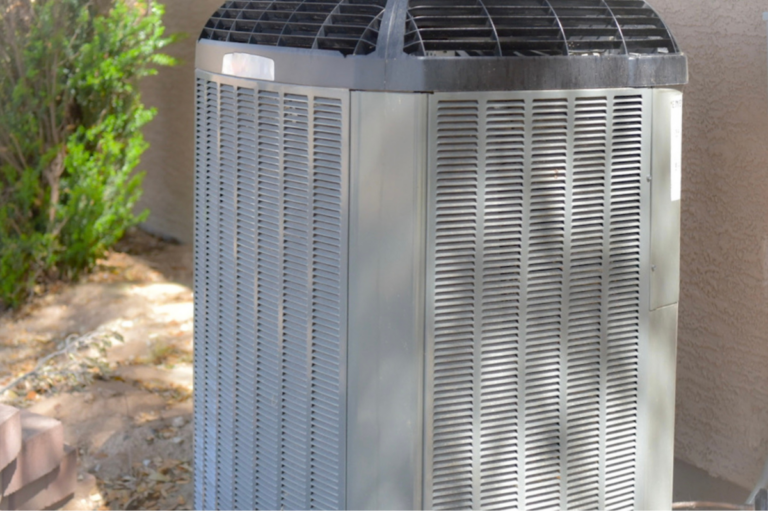
Likewise, a dirty condenser coil in your outdoor unit can reduce heat release, forcing longer cycles.
5. Poor Insulation or Duct Issues
If your home, especially older homes or houses with crawl spaces, has poor insulation or duct issues such as leaks or negative pressure, your AC may constantly fight to keep cool air inside while hot, humid air sneaks in.
Leaky ducts let conditioned air escape, increasing run time and energy bills.
A professional maintenance visit or a professional inspection from HVAC experts can identify these hidden losses.
6. Wrong Thermostat Fan or Thermostat Setting
Your thermostat setting plays a major role in humidity control. If the thermostat fan is set to fan setting “On”, the blower runs continuously, even when the AC isn’t actually cooling. This pushes humid air back into circulation and can increase indoor relative humidity.
Switch the fan to “Auto” to avoid recirculating moist air. Also, ensure your set point isn’t unrealistically low for the current outdoor temperature.
7. Oversized System or Standard AC Limitations
An oversized system or an older standard AC may struggle during humid weather. Oversized units cool the air too quickly without removing enough moisture, leaving behind high humidity levels and making the system run more often than expected.
Modern variable-speed systems and variable-speed ACs slow down during high outdoor humidity, allowing them to dehumidify longer while staying energy efficient. If your unit is outdated, a new system may better handle your home’s needs.
8. High Indoor Humidity From Outdoor Sources
Everything from open windows to leaky entry points lets humid air inside. If humidity seeps in from crawl spaces, attics, or gaps around doors, your AC will run nonstop trying to keep up. A whole-home dehumidifier is often the best way to maintain comfortable humidity levels, especially on humid days.
Read about how high humidity affects your home: The Effects of Humidity in Southwest Florida on Indoor Air Quality
9. Lack of Regular Maintenance
Skipping routine maintenance can cause a long list of issues, dirty coils, poor airflow, duct issues, and more. Annual or twice-yearly checkups keep your system running at peak efficiency, prevent underlying issues, and catch problems before they lead to constant runtimes.
A team of experts or a local HVAC technician can tune your system for better energy efficiency and reduced energy consumption.
10. Using the AC Alone to Move Air
Sometimes the AC is doing all the work alone. Adding ceiling fans can help circulate cool air, making the home feel cooler without lowering the thermostat. Using fans can reduce strain on your HVAC system and help maintain comfortable indoor temperatures without forcing the AC into continuous operation.
The First Step Toward Fixing an AC Running Constantly
If you’re unsure which underlying issue is causing the AC to run nonstop, the first step is scheduling professional maintenance. A technician can check for:
- Dirty filters
- Duct issues
- Low refrigerant levels
- Dirty evaporator coil or condenser coil
- Refrigerant leak
- Airflow problems
- Thermostat or fan setting errors
A single HVAC technician visit can restore balance and keep your home cool even during Florida-style humid weather.
Stay Ahead of AC Problems
Understanding why your AC runs constantly in humid weather helps you spot problems early and protect both your comfort and your wallet. Whether it’s a simple fix like clean filters, an airflow restriction, low refrigerant levels, or an oversized system, addressing the issue quickly prevents high energy bills and restores proper cooling.
If you’re dealing with this common issue, don’t wait; reach out to Dolphin Cooling HVAC experts for a professional inspection, improved indoor air quality, and a system that runs the way it should. Contact us today.