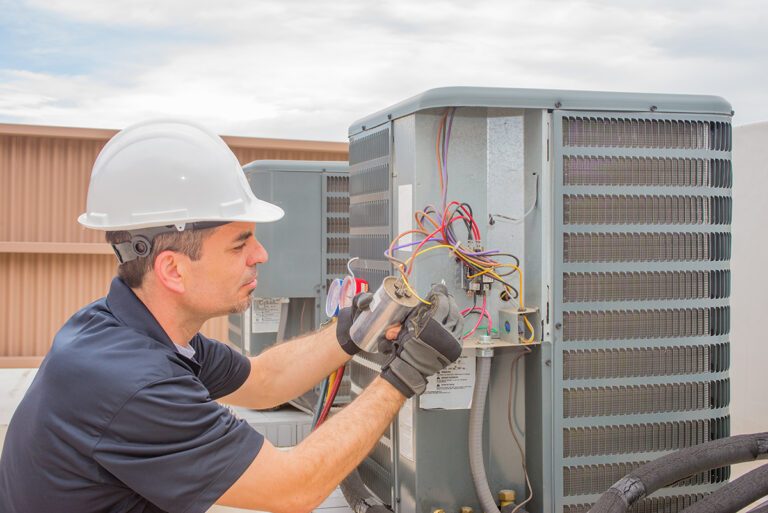
Noisy AC Unit? Troubleshooting Guide
Living in the beautiful paradise of Naples, FL comes with its perks – the sun, the beach, and the year-round warm weather. But one thing that can quickly put a damper on your comfort is a noisy AC unit. In the scorching Florida heat, your AC is your best friend, and a noisy one can be frustrating. Don't worry; you don't have to suffer through the noise. In this blog post, we'll guide you through troubleshooting common noisy AC unit issues, so you can enjoy the cool comfort of your home.
Factors Unique to SWFL Climate Can Contribute to AC Noise
In Florida, several factors unique to the climate and environmental conditions can contribute to a noisy AC unit. Here are some aspects of Florida's environment that may lead to increased AC unit noise:
High Humidity
Florida is known for its high humidity levels, especially during the summer months. The moisture in the air can affect the air conditioner unit's components, such as the motor and blower, potentially leading to increased noise as these parts work harder to cool the air.
Saltwater Corrosion
For homes located near the coast, the salty sea air can accelerate corrosion of the AC unit's exterior components, including the condenser coils and condenser fan blades in the outside AC unit. Corrosion can cause these components to become unbalanced, leading to vibrations and noise.
Frequent Thunderstorms
Florida experiences frequent thunderstorms and lightning strikes, which can cause power surges and electrical damage to the AC unit. Electrical issues, such as damaged capacitors or wiring, can result in clicking, buzzing, or humming noises.
Frequent Rainfall
Heavy rainfall and sudden downpours are common in Florida. If there are any leaks or gaps in the HVAC unit or ductwork, water ingress can lead to dripping or splashing sounds.
Overuse in Hot Weather
Due to the prolonged periods of hot and humid weather, air conditioners in Florida often run more frequently and for longer durations. Overuse can cause components to wear out faster, potentially resulting in increased noise.
Vegetation and Debris
Florida's lush vegetation and palm trees can lead to debris accumulation on and around the AC unit. Leaves, branches, or other foreign objects can obstruct the unit's fan, causing rattling, clanking, or other unusual noises.
Frequent Dust and Pollen
Florida's warm climate and vegetation lead to increased pollen and dust in the air. These particles can accumulate on the AC unit's components and affect its efficiency, potentially leading to increased noise.
Extended Cooling Season
In Florida, the need for air conditioning extends for much of the year, which means that AC units operate for longer periods. This can lead to more frequent maintenance requirements, and if neglected, increased noise.
Common Noises and Causes
If you hear strange noises coming from your outdoor or indoor AC unit, listen carefully and try to identify which of these noises you are hearing. These are the most common noises and common causes of excessive noise. If you're facing electrical or mechanical problems, be sure to schedule service with a Dolphin Cooling professional HVAC technician for your safety and to resume normal operation of your unit.
Rattling and Banging Sounds
When you hear a banging noise or rattling noise, it might be due to loose or damaged components. Check for loose screws, brackets, or debris that could be hitting the unit. Tighten any loose parts or call a professional for repairs if needed.
Clicking Noises
Clicking sounds when the AC turns on or off are normal. However, if the clicking is constant or irregular, it could indicate an issue with the electrical components and connections. It's a good idea to consult an HVAC technician to ensure your outdoor AC unit is safe and functioning correctly, free of any serious problems.
Squealing or Screeching
High-pitched squeals or screeches often signal problems with the fan or blower motor. It could be due to worn-out bearings or a loose fan belt, which are minor issues to fix. Address these issues promptly to avoid further damage and maintain efficiency.
Hissing or Whistling
A hissing noise or whistling sound may indicate a refrigerant gas leak or issues with the air ducts. Low refrigerant levels can affect your AC's performance, and leaks can be harmful. Contact a professional to identify and fix the problem.
Humming or Buzzing
A low, continuous humming noise is normal, but if it becomes loud or irregular, it could be due to a faulty capacitor, loose wiring, or a failing motor. These issues should be addressed quickly to prevent a breakdown.
Grinding Noises
A grinding sound is a sign of trouble, possibly from damaged bearings in the motor or outdoor fan motor. Continuing to operate the AC can lead to further damage. It's best to shut it off and seek professional assistance.
Dripping or Splashing Sounds
These noises could indicate a clogged condensate drain or a refrigerant leak. If you hear dripping, address the issue promptly to prevent water damage and mold growth.
Whirring or Whining
Whirring or whining can result from a malfunctioning motor, blower, or belt. Regular maintenance can help prevent these issues, so schedule a tune-up to keep your HVAC system running smoothly.
Clicking from the Thermostat
Sometimes, the thermostat is the culprit. A clicking noise might signal an electrical issue or a need for a replacement. Consult an HVAC professional to diagnose and fix the problem if you hear a clicking sound from your thermostat.
Vibration or Resonance
Vibrations or resonances may occur when the AC unit isn't securely placed on its pad or if the pad is damaged. Ensure the unit is level and the pad is in good condition to minimize vibrations and noise.
Schedule Repair and Routine Maintenance
Once your noisy AC unit is repaired, it's important to schedule routine maintenance with HVAC professionals to prevent a reoccurrence or breakdown. Dolphin Cooling offers annual maintenance plans to keep up with your AC maintenance so you don't have to think about it! Contact us today to learn more.Common Causes of AC Unit Leaks
The following are the most common causes of air conditioner leaks.
1. Clogged Condensate Drain Line
One of the most frequent causes is a clogged condensate line. Over time, dirt, dust, and debris can accumulate in the drain line, causing a clogged drain line. This blockage prevents water from draining properly, resulting in overflow and an AC leak.
2. Frozen Evaporator Coil
Another common cause is a frozen evaporator coil. When the coil freezes, it can lead to excess water that leaks from the unit as it thaws.
3. Damaged Drain Pan
Your drain or drip pan collects water from the condensation drain line. If the drain pan is cracked or has holes, water can escape and cause water dripping from the pan.
4. Low Refrigerant Levels
In some cases, AC unit leaks can also be attributed to low refrigerant levels. When there is not enough refrigerant in the system, the evaporator coil can freeze and produce excess water. It's important to address a refrigerant leak promptly to prevent further leaks and damage to the unit.
5. Improper Sizing of the AC Unit
Finally, improper installation or improper sizing of the HVAC unit can also result in leaks. If the unit is not installed correctly or if it is too large or small for the space, it can lead to water accumulation and leakage.
Steps to Troubleshoot Your Leaking AC Unit
Now that you understand why your AC unit might be leaking water, it's time to troubleshoot the issue. Here are a few steps you can take to get to the bottom of the problem:
Check the condensate drain line
Start by inspecting the drain line for any clogs. If you notice any debris or dirt, use a wet/dry vacuum or a pipe cleaner to clear it out. Make sure the drain line is free from any obstructions to allow the water to flow properly.
Clean or replace the air filter
A dirty air filter can restrict airflow and ice forms on the evaporator coil. Check the air filter and clean or replace it if necessary. Once the frozen coil melts, the water leakage should stop. Although you will end up with a puddle of water from the melting, but that's normal.
Inspect the drain pan
Take a look at the drain pan underneath the evaporator coil. If you notice any cracks, holes, or damage where it's dripping water, it's important to replace the drain pan as soon as possible. A damaged drain pan can lead to water leakage and potentially cause further damage to your AC unit and cause mold growth.
When to Call a Professional for Your AC Water Leak Issue
While troubleshooting and fixing minor AC issues can often be done on your own, there are times when it's best to call an HVAC professional to help find the cause of the problem and repair it. If you don't see a simple solution, it's time to reach out to an HVAC technician. Also, if you're unsure about any of the steps or uncomfortable performing them yourself, it's always best to seek professional assistance. Remember, AC units are complex systems, and attempting to fix a problem without the right knowledge and experience is not a good idea and can lead to further damage or even personal injury. Don't hesitate to call Dolphin Cooling for AC repair!Preventive Measures to Avoid Future AC Leaks
Preventive Measures to Avoid Future AC Leaks: Now that you've fixed the water leak in your AC unit, it's essential to take preventive measures to ensure it doesn't happen again in the future. Here are a few simple steps you can take to avoid AC leaks:
Routine maintenance
Schedule regular maintenance for your AC unit, ideally twice a year, to ensure it is clean, functioning properly, and free from any potential issues. A professional technician can inspect and clean the condensate drain line, evaporator coil, and other components, preventing clogs and freezing.
Regularly replace air filter
Make it a habit to clean or replace your air filter every one to three months, depending on usage, to ensure proper airflow and prevent water accumulation caused by a clogged air filter.
Keep the area around your AC unit clean
Clear any debris, leaves, or vegetation from around your outdoor unit. This helps to maintain proper airflow and prevents clogs in the condensate drain line.
Maintain proper humidity levels
Excessive humidity can contribute to the freezing of the evaporator coil, leading to leaks. Use a dehumidifier in your home if necessary to keep the humidity at a comfortable level.
The Best AC Filters for Allergies
Understanding Allergies and Indoor Air Quality
Indoor air quality is so important when it comes to managing allergies. Many common allergens can lurk in our homes and trigger allergic reactions. Allergies occur when our immune systems overreact to these substances, causing symptoms like sneezing, itchy eyes, and congestion.
Improving indoor air quality can significantly reduce allergy symptoms. One effective way to achieve this is by using high-quality AC filters that are specifically designed to capture and trap allergens. These filters work by trapping particles as air passes through them, preventing them from circulating throughout your home.
What Makes a Good AC Filter for Allergies?
When it comes to finding the best AC filter for allergies, there are a few key factors to consider.- Look for a filter that is specifically designed to capture and trap allergens like pollen, pet dander, mold, and dust mites. Look for filters with a high MERV rating, as this indicates their ability to efficiently capture smaller particles.
- Look for filters that are labeled as HEPA (High Efficiency Particulate Air) because they're especially effective at removing allergens from the air.
- Consider the lifespan and maintenance requirements of the filter, as you'll want one that is both durable and easy to replace.
MERV Ratings: Which Ones Are Best for Allergy Sufferers?
When it comes to finding the best AC filter for allergies, you'll wnat to understand MERV ratings. MERV stands for Minimum Efficiency Reporting Value, and it measures a filter's ability to capture particles of different sizes. For allergy sufferers, filters with a higher MERV rating are typically recommended, since they can effectively trap smaller particles like pollen, pet dander, mold, and dust mites. Filters with MERV ratings of 11 or 12 are ideal for capturing these allergens. But that doesn't necessarily mean it's right for your AC system. It's important to strike a balance since filters with very high MERV ratings can restrict airflow and strain your HVAC system. If you aren't sure what's right for your AC system, contact a professional.HEPA Filters vs. Electrostatic Filters: Which Is Better for Allergies?
HEPA filters, or High Efficiency Particulate Air filters, are highly effective at removing even the smallest allergen particles from the air. They're designed to capture 99.97% of small particles as little as 0.3 microns. On the other hand, electrostatic filters use an electrostatic charge to attract and capture particles. While they can be pretty effective at removing larger particles, they may not be as efficient at capturing smaller allergens. Ultimately, the best choice depends on your specific needs and the size of allergens you are trying to filter out. Consider consulting with a professional to determine the best option for your allergies and indoor air quality needs.The Best AC Filters for Allergies
There are all kinds of different types of filters on the market, but the best air filters are the filters that are capable of capturing microscopic particles circulating through your air conditioning system. The following are just some of the best AC filters for allerigies and one bonus product that is helpful for clearning airborne particles from the air in your home.1. Filtrete Allergen Defense HVAC Air Filter
With its high MERV rating of 11, this filter efficiently filters out particles as small as 0.3 microns, providing you with clean and allergen-free air.
2. Nordic Pure MERV 12 Pleated AC Furnace Air Filters
This filter not only traps allergens like mold spores and pollen, but it also helps reduce odors, ensuring better indoor air quality.
3. Honeywell Premium Allergen, Bacteria, and Virus Air Filters
With a high MERV rating of 13, this filter goes beyond capturing allergens; it also filters out bacteria and viruses, making it ideal for those who want to improve overall indoor air quality.
4. Filtrete Healthy Living Ultra Allergen Reduction AC Furnace Air Filter
Designed for severe allergies, this filter has a MERV rating of 14 and captures up to 99.9% of airborne allergens. It also improves the efficiency of your HVAC system.
5. Blueair Blue Pure 211+ Air Purifier
While not an AC filter, this air purifier deserves mention for its excellent allergen-fighting capabilities. It captures particles as small as 0.1 microns, providing relief for allergy sufferers.
Conclusion
Whatever type of filter you choose, be sure to check the air filter ratings, check and change a dirty air filter regularly, and consider using other tools like the best air purifiers to ensure you have clean air in your home this allergy season. By choosing one of these top-rated AC filters for allergies, you can finally breathe easy and say goodbye to pesky allergy symptoms. Improve your indoor air quality and enjoy a healthier, more comfortable home. Remember, not all high-quality options are right for your AC system. For the best results, be sure to contact a professional to verify the appropriate AC filter for your HVAC unit.
What Does an AC Capacitor Do?
An AC capacitor is responsible for storing and releasing electrical energy to power the compressor and the fan motors. Without capacitors, your AC unit wouldn't be able to start or run efficiently. Capacitors are like little energy storage banks of your AC system. They provide the necessary power boost to get the motor running and maintain a steady flow of electricity. So, it's clear that capacitors are essential components that ensure the smooth and efficient operation of your AC unit.Types of Capacitors Found in AC Units
When it comes to AC units, there are different types of capacitors that are commonly found. The most common types include start capacitors, run capacitors, and dual run capacitors. Start capacitors are responsible for providing an extra boost of power to help start the motor, while run capacitors provide a steady flow of electricity to keep the motor running efficiently. Dual run capacitors combine the functions of both start and run capacitors, making them versatile for different AC units. Understanding the different types of capacitors can help homeowners identify and address specific capacitor-related issues in their AC units.Why Do AC Capacitors to Go Bad
Capacitors can go bad for a variety of reasons. These are the most common reasons for air conditioner capacitor failure.Age
The main factor that causes AC capacitors to go bad is age. AC capacitors have a limited lifespan and will eventually wear out over time, but other factorsExtreme temperatures
Extreme temperatures can also contribute to capacitor failure, especially if they are constantly exposed to heat or cold. In SWFL, a start capacitor, run capacitor, or dual run capacitor in an HVAC system is used excessively because of consistent extreme temperatures.Power surges
Another factor is voltage spikes or bursts of energy, which can damage the internal components of the capacitor. Since an AC's capacitor stores electrical energy, a power surge or electrical charge can easily damage this part.Poor maintenance
Poor AC maintenance can also lead to capacitor failure. If your HVAC unit doesn't get much attention and care, it can easily end up running inefficiently, which means your AC capacitor has to work harder, and more regularly.Bad AC Capacitor Symptoms
If you're experiencing issues with your AC unit, it's important to know the symptoms of a bad or broken capacitor. One common sign is difficulty starting the unit, where you may hear a humming sound but the motor doesn't turn on. Another indicator is a weak airflow, where the air coming out of the vents feels weaker than usual. You may also notice frequent tripping of the circuit breaker or inconsistent cooling and even rising energy bills. A humming noise coming from your outside unit can also be a sign of an old capacitor getting ready to give out. If you notice any of these symptoms, it's a good idea to have your AC capacitor checked by a professional to prevent further damage.Common Mistakes That Can Damage a Capacitor
When it comes to AC capacitors, there are a few common mistakes that homeowners make that can lead to damage. One of the biggest mistakes is improper installation. If a capacitor is not installed correctly, it can cause stress on the internal components and lead to premature failure. Another mistake is neglecting regular maintenance. AC units require routine maintenance to ensure optimal performance, and neglecting this can put a strain on the capacitor. Using the wrong size or type of capacitor can also cause damage. It's important to consult a professional and follow the manufacturer's guidelines to avoid these common mistakes and keep your AC capacitor in good shape.Tips for Preventing Capacitor Failure in an AC Unit
Proper maintenance and care are key to preventing capacitor failure in your AC unit. Here are some helpful tips to keep your capacitor in good shape.Schedule regular professional maintenance
Always have a plan for maintenance for your AC unit. This will include cleaning and inspecting the capacitor to catch any potential issues before they become major problems.Avoid overworking your AC unit
You can take some of the load off of your AC unit by setting the thermostat at a moderate temperature and giving your unit breaks between cooling cycles.Protect your AC unit from extreme temperatures
Your AC will have to work hard in the SWFL heat, but you can help protect it by providing shade or insulation for the outside unit.Always consult a professional for proper installation
Having a failed capacitor issue because of improper installation can easily be avoided. Not only is it a good idea to have your replacement capacitor installed by a professional so that it works properly, but it's also really important for your safety. Since the capacitor stores energy and is high voltage, the electrical system of the air conditioner's capacitor should only be handled by a trained professional.Do You Need a New Capacitor?
If you think you have a faulty capacitor after learning the most common reasons they go bad and the symptoms of a bad capacitor, it's time to contact the professionals to verify your suspicions. Your air conditioning system could have other issues that are causing the symptoms, so a Dolphin technician will diagnose the AC problem and its exact cause before going straight to capacitor replacement. It's important to have a professional HVAC technician present because they are trained to handle the various components of your air conditioner unit safely and get it back up and running quickly!More Posts You May Like:
Why Airflow is Important
Proper airflow is vital to the performance of your air conditioning unit. It’s what keeps your space cool and comfortable, especially during hot summer months. Airflow ensures that the cool air produced by your AC system is effectively distributed throughout your home or office, making it consistently cool in every room.
Uneven Temperatures
Without sufficient airflow, your AC unit may struggle to cool your space as it should. This can result in hot spots and uneven temperatures in different areas of your home. What’s worse than that, is that poor airflow can cause your air conditioner to work harder, which means it's using more energy and you’re going to end up with higher energy bills.
Strain on Your AC
HVAC airflow issues can also put a strain on various components of your AC system, like the compressor and fan motor. This can lead to costly repairs or even failure of the entire system.
Poor Air Quality
Poor airflow can negatively impact the indoor air quality in your home. Stagnant air can promote the growth of mold, mildew, and other allergens.
Regular maintenance and cleaning of your AC unit is really important to prevent these possible causes of poor airflow. Let’s get into the details and how the possible issues can be fixed.
8 Possible Causes of Poor Airflow
Dirty Air Filter
A dirty air filter is one of the most common causes of poor airflow in an AC unit and the first place you should check. Over time, the filter collects dirt, dust, and debris, restricting the flow of air. This can lead to reduced cooling power and increased strain on the system. To fix a clogged filter, all you need to do is replace or clean the air filter regularly. This simple maintenance task can improve airflow and ensure that your AC unit operates efficiently. Don't neglect a dirty filter - it's a small component that anyone can manage and can make a big difference in the performance of your AC system.Blocked Return Vent
Return vents allow the air to circulate around the home by pulling air from the room and returning it back to the cooling system. Your home will have one or more return vents, depending on the size, and these can easily become blocked or obstructed by household items. Return vents shouldn't be covered by anything like furniture or curtains. They need to be free and uncovered to allow the proper airflow back into the HVAC unit. This is anything simple fix, you just have to locate your return vents and remove any items blocking them to get that cold air flowing again.Faulty Thermostat
Sometimes your HVAC airflow problems aren't a problem with your unit at all, but a thermostat problem instead. A faulty thermostat can make it impossible to keep your home at a comfortable temperature. If you're getting low air flow or warm air from your AC unit, check your thermostat batteries first. If you have a wired thermostat, have an HVAC tech come out and test your thermostat.Blocked Condenser Unit
A blocked condenser unit can really limit the airflow of your AC system. This happens when things like leaves or grass clippings pile around the outdoor unit. The blockage prevents proper air circulation, which causes weak airflow and reduced cooling power. To fix this issue, carefully remove any debris around the unit. It's also important to keep the area around the condenser clear of plants or other obstructions. Don't plant anything too close to the unit or allow plants to get overgrown and move into the unit's space too much.Clogged or Leaky Ducts
If your AC unit is experiencing poor airflow, another potential culprit could be clogged or leaky ducts. Over time, dust and debris can accumulate in the ductwork, restricting the flow of air and reducing the efficiency of your system. Leaky ductwork can also lead to air escaping before it reaches your living spaces. To address this issue, it's important to have your ductwork inspected and cleaned by a professional HVAC technician. They can identify any clogs or leaks and take the necessary steps to restore proper airflow.Malfunctioning Fan
Is your AC unit still not blowing enough air despite having a clean air filter and a clear condenser unit? The problem could lie with a malfunctioning fan. The fan is responsible for circulating air throughout your system, and if it's not functioning properly, it can significantly reduce airflow. A faulty fan motor, worn-out fan blades, or a loose fan belt can all lead to poor airflow. To address this issue, it's best to call a professional technician who can diagnose your low airflow problem and make the repair. Anything electrical should always be left to the HVAC experts for your safety.Oversized or Undersized Unit
An undersized or oversized air conditioner can both contribute to the amount of airflow you have. An undersized unit may struggle to cool your space effectively, resulting in weak airflow. On the other hand, an oversized unit can cycle on and off too quickly, not allowing enough time for proper airflow to circulate. In either case, it's important to have a professional assess your HVAC system and determine if the size of your AC unit is causing the airflow issue. They can then recommend the right size and make the necessary adjustments to give you optimal airflow and comfort in your home.Poor Maintenance Practices
Neglecting regular cleaning and maintenance tasks can lead to a buildup of dirt, dust, and debris in the system, hindering good airflow. Skipping routine inspections and tune-ups can result in undetected issues that affect the performance of your AC unit. To avoid these problems, it's crucial to stay on top of regular HVAC maintenance tasks, such as cleaning or replacing filters, cleaning the condenser unit, and scheduling professional inspections. When you prioritize maintenance, you can not only count on good airflow, but you can also extend the life of your unit and face fewer repair services in the future.Conclusion
Poor airflow from your AC unit is not a problem that should be ignored. An airflow issue can start out as a small problem and turn into a much larger issue if it's not addressed. By understanding the various causes of poor airflow, you can take the necessary steps to address the issue and ensure optimal performance from your air conditioner. Our Dolphin Cooling HVAC techs are standing by to diagnose and repair your AC issues. Contact us today for all your AC needs!
Are AC capacitors universal? While we may not think much about the inner workings of our AC unit, understanding the role of capacitors can help us better maintain and troubleshoot any issues that may arise. As we all know, air conditioning is an essential part of our daily lives, especially in sunny Southwest Florida. So, let’s explore whether or not AC capacitors are universal and what that means for your cooling system.
What are AC Capacitors?
An AC capacitor is a passive electronic component that stores and releases electric charge in an alternating current (AC) circuit. It consists of two conducting plates separated by an insulating material known as a dielectric. The conducting plates are usually made of metal and are connected to the AC circuit. The dielectric material, which can be made of ceramic, plastic, or paper, prevents the flow of direct current (DC) between the plates, but allows AC to pass through.
An AC capacitor's job is to store energy to help your AC start up. It's necessary because your AC takes a lot more energy to start than it does to continue running once it's started. So AC capacitors are very important for AC systems to run.
Are AC Capacitors Universal?
AC capacitors are not universal and are specific to the type of AC system. Each AC system is designed with specific voltage, capacitance, and frequency requirements, and the capacitor must match those specifications to function properly.
With that said, the determining factors for whether or not an AC capacitor will work with an AC system are microfarad rating and voltage. If those two factors are compatible, the AC capacitor will work regardless of the other specifications. It’s important to consult the manufacturer's specifications or contact professional AC techs to ensure the correct replacement capacitor is used for any AC system.
Different Types of AC Capacitors
Did you know there is more than one capacitor in your AC unit? There are four different types of capacitors and they all have different jobs.Compressor Motor Run Capacitor
This capacitor is connected to the compressor motor and provides the necessary electrical energy to keep the compressor running in your outdoor unit. It helps the motor to maintain a constant speed and avoid overheating, and also helps start the motor when the unit is turned on.
Indoor Fan Motor Run Capacitor
This capacitor is connected to the indoor blower motor and helps the fan to maintain a constant speed while circulating air throughout the indoor space. It also helps the fan to start when the AC unit is turned on.
Outside Fan Run Capacitor
This capacitor is connected to the outside fan motor and helps it maintain a constant speed while pulling air through the AC unit's condenser coils. This fan helps to dissipate heat from the refrigerant, allowing it to cool and become a liquid.
Start Capacitor
This capacitor, also known as the AC run capacitor, is responsible for providing the initial jolt of electricity needed to start the compressor motor. It is usually larger than the run capacitors and is only used for a short period of time, typically only a second or two.
Without these individual capacitors, the various motors in an air conditioning unit would not be able to function properly, causing the AC unit to malfunction or fail altogether. Regular maintenance and replacement of these components will be necessary throughout the life of your AC unit.
What's the Difference Between Single and Dual Run Capacitors?
Another decision you'll run into when preparing for an AC capacitor replacement is choosing between single and dual-run capacitors. Single and dual-run capacitors both help in the start-up and operation of the air conditioner's compressor motor. While both single and dual run capacitors serve the same purpose, they differ in their design and functions.
1. Design
Single run capacitors contain two terminals and have a single capacitance value. They are cylindrical in shape and are smaller in size. On the other hand, dual run capacitors have three terminals and two capacitance values. They are usually oval or round in shape and are larger in size compared to single run capacitors.
2. Function
The main function of a single run capacitor is to provide the necessary power to start the compressor motor of an air conditioning system. They store electrical energy and release it when required, allowing the motor to start smoothly. Single run capacitors have a limited range of capacitance values and are designed for a specific motor size.
A dual run capacitor, on the other hand, has two capacitance values, one for the compressor motor and the other for the condenser fan motor. They perform the same function as single run capacitors but with the added function of starting and running the fan motor. They have a wider range of capacitance values and can be used for different motor sizes.
3. Usage
Single capacitors are typically used in smaller air conditioning units, while dual run capacitors are used in larger units. Since they have the ability to run both the compressor and fan motor, dual run capacitors are commonly used in central air conditioning systems.
4. Cost
Single run capacitors are generally less expensive compared to dual run capacitors due to their simpler design and limited functionality.
The main difference between single and dual run capacitors is their design and functions. The best choice between the two when you need a new capacitor depends on the size and type of HVAC system being used.
Common Symptoms of a Bad Capacitor
Here are some common problems that may point to a bad AC capacitor and signal that you need to call an HVAC professional for AC repairs.1. AC Unit Won’t Turn On
The most common symptom of a failed AC capacitor is when the air conditioning unit does not turn on at all. This can be because of the capacitor's inability to supply the necessary electrical energy to the compressor and fan motors.
2. Inadequate Cooling
The capacitor regulates the voltage and provides the necessary electrical energy to run the compressor and fan motors. If the capacitor is malfunctioning, the AC unit may not be able to produce enough cool air to adequately cool the space.
3. Frequent Tripping of Circuit Breaker
A failing AC capacitor can cause the electrical system to overload, leading to frequent power surges, or powerful bursts of electricity, and trips of the circuit breaker. This can happen due to the capacitor's inability to regulate the voltage properly, causing fluctuations in the electrical system.
4. Loud or Strange Noises
If the AC capacitor is damaged or malfunctioning, it can cause the air conditioning unit to produce loud and unusual noises. This can happen due to a faulty capacitor putting extra strain on the compressor and fan motors, resulting in unusual sounds.
5. Hot Air Blowing From Vents
Another common symptom of a bad AC capacitor is hot air blowing from the vents instead of cool air. This can happen when the capacitor is unable to provide the necessary electrical energy to power the compressor and fan motors, resulting in the AC unit blowing out hot air.
6. AC Unit Turns Off Intermittently
A malfunctioning AC capacitor may cause the unit to turn off intermittently. This can happen when the capacitor is unable to maintain a steady flow of electrical energy to the compressor and fan motors, leading to the AC unit shutting off unexpectedly.
7. Excessive Humidity or Moisture
The AC unit is responsible for dehumidifying the air as well as cooling it. A failing capacitor can cause fluctuations in the moisture levels in the air, resulting in excessive humidity or moisture in the space.
8. Burnt or Swollen Capacitor
In some cases, a failed AC capacitor may be physically damaged and show visible signs of burning or swelling. If you notice any discoloration, bulging, or burning on your AC capacitor, it is likely that it needs to be replaced.
Just keep in mind that some of these symptoms can also be caused by other issues with the AC unit. It is always best to have a professional HVAC technician inspect and diagnose the problem before attempting any repairs.
Conclusion
Getting the right capacitor for your air conditioning unit is important! Contact Dolphin Cooling and we'll send out a qualified technician to diagnose your AC's issues and repair the problem promptly. Please note that AC capacitors store high voltage that can cause serious injury. It's very important to have a trained professional test, diagnose, and repair capacitor issues. Contact us today to schedule and appointment.Why Air Conditioning Efficiency Matters
When it comes to air conditioning, efficiency matters more than you might think. Not only does an efficient air conditioner keep your home comfortable and save money on your utility bills, but it also increases the lifespan of your AC unit. When your AC is able to run efficiently without dirty filters and other parts that are limping by, the AC system will run longer and with fewer breakdowns.
5 Air Conditioning Efficiency Tips
Regular Maintenance
Regular maintenance is most important for keeping your AC efficiency and longevity at its peak. Maintenance performed regularly can improve the efficiency of your system and save money in the long run. Some maintenance tasks you can do yourself are cleaning or replacing the air filter, clearing debris from around the outdoor unit, and checking for any leaks or blockages in the ductwork. It's also a good idea to schedule an annual professional tune-up to make sure that your air conditioner is operating at its best. Regular maintenance not only improves the efficiency of your air conditioner but also helps to prevent breakdowns and extends the lifespan of your system. So, don't neglect regular maintenance if you want to enjoy a cool and efficient summer in southwest Florida!Maximizing Air Flow
When we think about airflow in your AC system, most people think about their dirty air filters. But to maximize airflow and improve cooling in your home, there are actually a few simple steps you can take. First, make sure that all vents and registers are unobstructed and free from dust or debris. Blocked vents can restrict airflow and reduce the effectiveness of your air conditioner. You can also consider using fans strategically to enhance airflow. Ceiling fans can help circulate cool air throughout the room, and portable fans can be used to direct cool air toward specific rooms in the house. Another way to improve airflow is by keeping doors open between rooms to allow air to flow freely.Install a Smart Thermostat
A smart thermostat, or programmable thermostat, is a handy device that allows you to set your desired temperature schedules throughout the day. The benefit of a temperature schedule is that the air conditioner doesn't have to run unnecessarily while you're not home or when it's cooler at nighttime, which means maximum efficiency. When it comes to air conditioner efficiency, a smart thermostat can save you trouble, money, and it's a great way to give your AC a break. Plus, with the ability to control your air conditioner from anywhere using a smartphone app, you can make adjustments to your thermostat setting on the go. This will ensure that your home is always cool and comfortable when you return.Improve Insulation
If you want to keep your home cool and your energy bills low, it's important to keep the warm air out and prevent the cold air leaks. One way to do this is by sealing and insulating your home. Start by checking for any drafts around windows and doors, and seal them with weatherstripping or caulk. Insulating your attic and walls can also make a big difference in keeping the cool air inside and the hot air out. Consider using spray foam insulation for a more efficient and effective seal. It may also be a good idea to install window film or shades that can help block out the direct sunlight from the sun's rays and reduce heat gain. Blocking out the midday sun on a hot day is one of those small changes that can be extremely helpful for maintaining a cooler home.Upgrading Your AC Unit
If you have an old HVAC system, then all of the best ways to increase efficiency may still fall short. An AC unit that is just old, hasn't been properly maintained, or both is a unit that needs to be replaced. Upgrading to a new air conditioner may be your best bet if you are struggling to get your unit to run efficiently. High-efficiency units are designed to consume less energy while still providing powerful cooling. Look for models with a high SEER (Seasonal Energy Efficiency Ratio) rating, as this indicates greater energy efficiency. Another upgrade to consider is installing a variable-speed air handler. Unlike traditional single-speed air handlers, variable-speed models adjust their output based on the cooling needs of your home, resulting in more precise temperature control and lower energy consumption.Conclusion
In a nutshell, air conditioning efficiency is key to keeping your indoor temperature perfect, your home comfortable, and utility bills budget-friendly during the hot summer months. By implementing the tips and strategies we've discussed in this blog post, you can increase your air conditioner's efficiency so it's running at its best and saving money. From regular maintenance to sealing and insulating your home, every step you take towards improving efficiency will have a positive impact on your comfort and energy bills.
For more information on how to keep your home cooler and your AC running more efficiently, contact the professional HVAC technicians at Dolphin Cooling today.
Top 6 Reasons You Should Enroll in a HVAC Maintenance Plan
Lower Utility Bills
When it comes to your cooling system, energy efficiency is key. A well-maintained system will operate more efficiently, which means lower energy bills for you. By regularly cleaning and servicing your HVAC unit with preventive maintenance, you can ensure that it's running at peak performance, using less energy to heat or cool your home. This not only saves you money in the long run but also helps to reduce your carbon footprint. So, if you want to cut down on your energy expenses, enrolling in an HVAC maintenance plan is the way to go.Improved System Efficiency
With regular maintenance visits, your HVAC system operates more efficiently, leading to improved system efficiency. When your system is clean and properly serviced, it doesn't have to work as hard to heat or cool your home, resulting in less energy waste. This not only saves you money on your energy bills but also helps to reduce your environmental impact. With a HVAC maintenance plan, you can ensure that your system is always operating at peak performance, keeping your home comfortable and your energy usage efficient. Don't overlook the importance of system efficiency - enroll in a maintenance program today!Fewer Breakdowns and Repairs
No one wants to deal with unexpected breakdowns or costly repairs when it comes to their HVAC system. HVAC service contracts can significantly reduce the chances of experiencing these headaches. Regular maintenance and inspections of your HVAC equipment can catch potential issues before they become major problems, saving you from costly repairs and inconvenient breakdowns. With a maintenance plan, you can rest knowing that your HVAC system is in top-notch condition and ready to keep your home comfortable year-round. Don't wait until it's too late - invest in a maintenance plan today to avoid those unexpected breakdowns and repairs.Longer Equipment Lifespan
Proper maintenance can significantly extend the lifespan of your equipment. By keeping your system clean, lubricated, and in good condition, you can prevent wear and tear on crucial components and avoid potential problems. This means your HVAC system will operate more efficiently and last longer, saving you money on replacement costs. Investing in a HVAC maintenance plan ensures that your equipment receives regular check-ups and an annual tune-up, helping it to withstand the test of time. Don't let your HVAC system age prematurely - enroll in a maintenance plan today and enjoy the benefits of a longer equipment lifespan.Priority Service and Discounts
When you enroll in a HVAC maintenance plan, you can enjoy the benefits of priority service and discounts. This means that if your system does require repairs or servicing, you will be given priority scheduling for repair services, ensuring that your home stays comfortable and your system is back up and running as quickly as possible. Additionally, we offer annual maintenance plans that come with discounts on repairs and labor, helping you to save even more money in the long run. With priority service and discounts, your HVAC needs will be taken care of efficiently and affordably.Peace of Mind
When it comes to your HVAC system, nothing beats the peace of mind that comes with a maintenance plan. Knowing that your system is regularly inspected, cleaned, and serviced by a qualified HVAC technician can help you sleep better at night. With a maintenance plan, you can rest assured that any potential issues will be caught early on, preventing inconvenient breakdowns and costly repairs.Dolphin Cooling and Heating Maintenance Plans
Investing in a HVAC maintenance plan is a no-brainer when you consider all the benefits it offers. A new system is a large investment that you won't want to have to make more often than necessary. Not only will you save money on your energy bills with a well-maintained system, but you'll also enjoy improved system efficiency, fewer breakdowns and repairs, and a longer equipment lifespan.
Dolphin Cooling offers three maintenance plans to choose from. With all three plans, HVAC professionals will visit your home to ensure the best performance from your air conditioning system. The number of routine professional maintenance visits you receive varies depending on the plan you choose. Your AC system woks hard year-round here in Southwest Florida. We can help you ensure the longest life possible for your system with annual preventative maintenance. Learn more here or contact Dolphin Cooling and Heating today for more information.
What Should I Keep My AC at in Summer in Florida?
When it comes to setting the perfect cooling system temperature for Florida summers, there are a few recommended guidelines to follow. The ideal temperature range and a good rule of thumb is to keep your thermostat between 72 and 78 degrees Fahrenheit. This range allows for a comfortable indoor environment without putting too much strain on your AC system or skyrocketing your energy bills. However, it's important to note that everyone has different preferences and everyone will find their own best thermostat setting, so feel free to adjust within this range to find your sweet spot. Also consider using a programmable thermostat to automatically adjust the temperature when you're not at home, saving energy and money. Experiment with different temperatures to find what works best for you and your home. For maximum efficiency, try to slowly increase your tolerance to a higher temperature. If you stay between 72 and 78, it will still be considerably cooler inside your home than the hot air outside during a South Florida summer. This range will also keep your humidity levels indoors down.How to Maintain Energy Efficiency While Keeping Cool
Keeping cool during the hot Florida summers doesn't mean you have to sacrifice energy efficiency. Here are some tips to help you maintain both.- Make sure your home is well insulated to prevent cool air from escaping during warmer weather. Seal any cracks or gaps in windows and doors, and consider adding insulation to your attic and walls. This will reduce the workload of your HVAC unit.
- Use ceiling fans to help circulate the cool air, which can make your AC more effective and keep your home at the right temperature.
- Remember to adjust your thermostat settings when you're not at home to avoid unnecessary cooling. Use a smart thermostat so you can program the thermostat to adjust to higher temperatures when you're away and back to a lower temperature, and more comfortable temperature before you return home.
- Keep your air conditioning unit well-maintained by regularly cleaning or replacing filters and scheduling professional tune-ups.
Additional Tips for Staying Comfortable During the Summer Months
As the temperatures rise in Florida during the summer months, staying cool and comfortable becomes a top priority. Along with setting the right AC temperature, there are a few additional tips that can help you beat the heat and stay comfortable all summer long.- Try to minimize the use of heat-generating appliances during the hottest parts of the day to keep the temperature of your home comfortable. This includes using the oven or stove, which can increase the temperature in your home. Instead, opt for grilling outside or using a slow cooker.
- Consider using window treatments to block out the sun's rays during the hottest parts of the day. This can help keep your home cooler and reduce the workload on your AC system, as well as the energy usage. Less energy usage always equals a lower electric bill.
- Try to stay hydrated by drinking plenty of water throughout the day. This can help regulate your body temperature and keep you feeling refreshed in high humidity and heat.
Conclusion
Finding the perfect AC temperature for your Florida summer is crucial for staying cool and comfortable while also being mindful of your energy bills. The recommended temperature range of 72 to 78 degrees Fahrenheit provides a comfortable environment without straining your AC system or increasing your energy costs. Remember to experiment within this range to find your personal sweet spot. Maintaining energy efficiency is also important, so be sure to implement things like closing your curtains to block direct sunlight during the hottest part of the day. By following these guidelines and being mindful of your AC temperature, you can enjoy a cool and comfortable summer in Florida without breaking the bank during the hottest months of the year. Contact us with any questions!What is the Best Time of Year to Replace an AC?
When it comes to choosing the best time to replace your AC, the answer usually lies in the spring or late fall. These seasons provide the perfect balance between comfort and convenience. In early spring, outdoor temperatures are starting to warm up, but it's not yet scorching hot. This means you won't be without cooling during the installation process. In the fall, temperatures start to cool down, making it an ideal time to replace your AC before the next summer season arrives. By choosing either of these seasons, you'll be choosing the best time of the year to make a smooth and hassle-free transition to a new AC system.Off-Season
Many people will suggest replacing your AC during the off-season. While SWFL HVAC technicians don't really have a slow season, there are some times when we're a little less busy. Meaning you can secure an appointment and get your new AC installed quickly. You may even find some good deals during that time. Slower seasons in Florida may include winter months and spring but can vary with the temperatures. Peak season is really any times with extreme temperatures when both service calls and installations increase.Factors That Affect the Best Time to Replace Your AC
When it comes to replacing your AC, there are several factors to consider that can affect the best time to do it, in addition to the availability of HVAC contractors.Age of your current air conditioner
The age of your AC unit is a significant factor in determining the best time to replace it. As your AC gets older, it becomes less efficient and more prone to breakdowns. If your air conditioner is nearing the end of its lifespan, it's a good idea to start planning for a new unit soon. If your repair costs and energy bills are continuously climbing, you may want to contact the HVAC professionals about a new AC unit.
Comfort and convenience
Waiting until your air conditioner breaks down in the middle of a heatwave is not ideal. By replacing your AC during a time when you don't heavily rely on it, such as spring or fall, you can ensure that you won't be without cooling for an extended period. This allows for a smoother and more convenient transition to a new system.
Energy efficiency rebates
Some utility companies offer rebates or incentives for upgrading to energy-efficient AC systems. These programs may have specific eligibility requirements and application deadlines, so it's essential to research and take advantage of them if available. HVAC companies can give you this information and may have other specials running to get you the best deal.
Budget
Since a new HVAC unit is an investment, your budget may impact the timing for replacement. If you need a new HVAC system and you're having trouble budgeting for a new unit and installation costs, contact Dolphin Cooling for financing options.Future plans
Consider your long-term plans for your home. If you're planning to sell or rent out your property, a new AC installation before listing it can be a selling point and attract potential buyers or tenants and make you more money in the long run.
Personal preference
Ultimately, the best time to replace your AC will depend on your personal preferences and circumstances. Take into account any factors that may be unique to your situation, such as upcoming renovations or vacations, to make the best decision for your home. If your AC unit isn't broken down, but you are interested in a more efficient system, it's a good idea to start planning ahead before you need to start doing expensive and frequent AC repair.