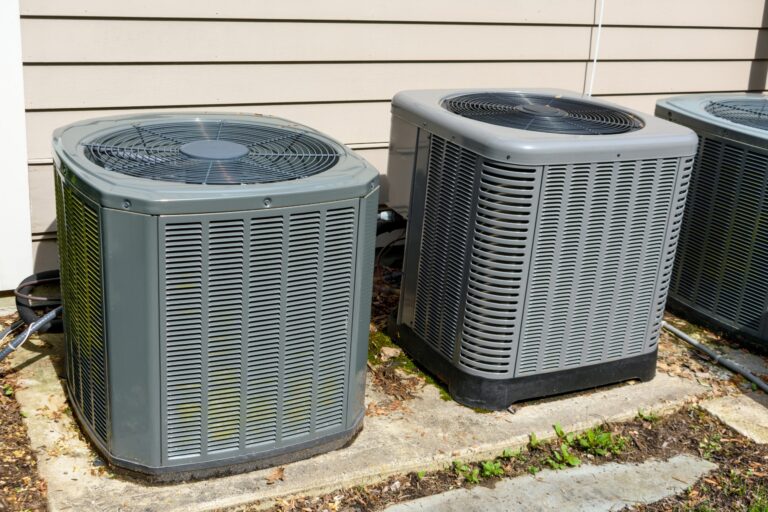
How long should an AC last in Florida?
Why AC Life Expectancy in FL Matters
AC life expectancy in FL is an important factor to consider for homeowners. A well-functioning AC system is essential for staying cool and comfortable in the hot and humid Florida climate. Understanding the lifespan of your AC can help you plan for repairs or replacements, budget for maintenance costs, and avoid unexpected breakdowns. By being aware of how long your AC is expected to last, you can make informed decisions about when to invest in a new unit or take steps to prolong its life.How Long Should an AC Last in Florida?
The average lifespan of an AC unit in Florida can range from 10-15 years. This depends highly on a few things we'll talk about below. This is a shorter life expectancy than the typical 15-20 years you may see in milder climates across the United States. This is mainly because the AC unit experiences more extreme heat and constant use than other places.Factors that Affect AC Lifespan in FL
Several factors can affect the lifespan of an air conditioner in Florida.Quality of the unit
Higher-quality AC systems tend to have a longer lifespan compared to lower-quality models.Type and frequency of maintenance
Regular maintenance plays a significant role in the longevity of your AC unit, especially in SWFL where your AC unit works overtime. Regular proper maintenance, such as cleaning coils and changing filters, can help prevent issues that could shorten the lifespan of your AC unit.Climate
The hot and humid Florida weather and regular high heat puts more strain on the AC, causing it to work harder and potentially wear out sooner. Depending on where you live in Florida, you may get more or less time out of your AC unit. Northern Florida residents may see a longer lifespan than even central Florida residents, and SWFL homeowners will probably see the shortest life spam because of our climate conditions. Salt corrosion can also cause issues with your AC's outdoor unit over time if you live near the ocean.Common Signs Your AC is Failing
There are several common signs that indicate your AC may be failing in Florida.- Reduced cooling performance: If your AC is struggling to keep your home cool or if it takes longer than usual to reach the desired temperature
- Unusual noises: Grinding or squealing sounds
- Increase in your energy bills without any change in usage
- Frequent breakdowns or the need for repairs
Tips to Prolong Your AC's Lifespan in FL
To extend the lifespan of your AC in Florida, there are several steps you can follow. 1. Make sure to regularly clean or replace dirty air filters, as dirty filters can restrict airflow and put unnecessary strain on the system. Routine maintenance is the most important thing you can do for a long air conditioner lifespan. 2. Keep the outdoor unit clear of debris and vegetation to allow for proper airflow. 3. Schedule annual maintenance with a professional to identify and address any potential issues before they become major problems. 4. Consider installing a programmable thermostat and using energy-efficient settings to reduce the workload on your AC.Replacing Your Air Conditioning System
Knowing when it's time to replace your air conditioner unit can be tough. It's a big expense that no one wants to deal with and you may be tempted to put it off if your AC is still working at all. Keep in mind that when AC units are on their last legs, they start costing you more and more money just to keep them running, starting with minor repairs and quickly moving up to major, costly repairs. Not to mention they increase your energy bills more and more every month. A new AC system is an important investment that will save you money and hassle in the long run. If you have questions about new installations, contact our experts! Our HVAC professionals will help you make an informed decision that best fits your goals and needs.Why AC Maintenance is Important
Regular AC preventative maintenance is crucial for a number of reasons. First of all, it helps to improve the efficiency and performance of your air conditioner, which ensures that it cools your space effectively. Second, it helps to extend the life of your unit, saving you money on costly repairs, replacements, and utility bills. Last but not least, regular maintenance can help improve indoor air quality by removing dust, allergens, and debris from the system.Common AC Problems and How to Prevent Them
Air conditioners can experience a variety of common problems, including low refrigerant levels, frozen evaporator coils, and clogged air filters. To prevent these issues, make sure to regularly check and replace the air filters, keep the outdoor unit clean and clear of debris, and schedule professional maintenance at least once a year. You'll also want to make sure that the thermostat is set to the correct temperature and that the system is properly sized for your space. Taking these preventative measures can help keep your AC running smoothly and avoid costly repairs. To learn more, visit dolphincooling.com.Tools Needed for DIY AC Maintenance
To successfully perform DIY cooling system maintenance, you'll need a few basic tools. Some essential tools include a screwdriver, a socket set, a vacuum cleaner with a brush attachment, a fin comb, and a soft cloth. These tools will help you clean and replace air filters, clean the AC coils, and perform other maintenance tasks. Having these tools on hand will make it easier to take care of your air conditioner and keep it running smoothly.AC Maintenance DIY Guide
Use these simple tips to perform regular maintenance to your AC system and prevent big problems before they even get started.Steps for cleaning and replacing AC filters
Cleaning and replacing dirty filters is an essential part of DIY AC maintenance. Start by turning off the power to your AC unit and locating the filter. Remove the filter and inspect it for dirt and debris. If it's dirty, replace it with a new one. It's a good idea to check your filter every 30 days and replace your AC filter regularly for optimal performance.How to clean and maintain AC coils
Over time, the coils can become dirty and clogged with dust and debris, hindering their ability to cool the air effectively. To clean the coils, start by turning off the power to the AC unit. Gently remove any loose debris using a soft brush or cloth. Then, use a coil cleaner or a mixture of mild detergent and water to clean the coils. Rinse thoroughly and allow the coils to dry completely before turning the power back on. Regularly cleaning the AC coils can help improve the efficiency and performance of your air conditioner.How to clean the AC drain line
Over time, the condensate drain line can become clogged with dirt, debris, and algae, which can lead to issues such as water leaks and a reduction in cooling performance. Thankfully, cleaning the AC drain line is a simple DIY task that can help prevent these problems.
To clean the AC drain line, start by turning off the power to the AC unit. Locate the drain line, which is usually a PVC pipe near the outdoor unit or in the basement. Use a wet/dry vacuum or a small brush to remove any visible debris from the opening of the drain line. Then, mix a solution of equal parts water and vinegar and pour it into the drain line to dissolve any remaining dirt or algae buildup. Let the solution sit for about 30 minutes, and then flush the drain line with clean water from the garden hose to remove the loosened debris.
Tips for maintaining the outside unit
To maintain the outdoor unit of your HVAC system, keep it clean and free from debris. Regularly trim any vegetation or plants that may obstruct airflow. Check the unit for any signs of damage, such as bent fins or loose wires, and make repairs if necessary. It's also important to protect the unit during harsh weather conditions by covering it or providing shade. Regularly inspect and clean the condenser coils and fan blades to ensure proper functioning. Don't forget to schedule professional maintenance at least once a year to ensure optimal performance.Signs That You Need Professional Maintenance
While regular DIY maintenance can help keep your AC running smoothly, there are certain signs that indicate the need for professional maintenance. If you notice a decrease in cooling performance, unusual noises or smells coming from your AC unit, or if your energy bills have significantly increased, it may be time to call in the professionals. If you experience frequent breakdowns or if your AC system is older and hasn't been serviced in a while, it's best to schedule a professional maintenance visit to ensure that your AC is in optimal condition. Dolphin Cooling and Heating offer AC repair as well as routine maintenance plans to help prevent problems before the arise. Contact us today or click here to read about our maintenance plans.How often should you change your HVAC filter? Many people don’t think about their HVAC filter until they start to notice that their HVAC system isn’t working as efficiently as it should be. While it is easy to forget about this important part of your HVAC system, knowing when and how often to change your air filter can make a major difference in the efficiency and performance of your system. In this blog post, we will discuss the importance of regularly changing your HVAC filter and the recommended schedule for doing so.
Reasons to Change the Filter Regularly
The air filter is a required part of an HVAC system. In fact, many HVAC systems will not work properly without a filter in place. Here are some other reasons you'll want to change your air conditioner filter regularly.
Improves Air Quality
The HVAC air filter plays an important role in promoting good air quality in your home by trapping dust mites, mold spores, debris such as pet hair, and allergens. The filter's job is to clean the air that passes through your HVAC system to prevent dust and debris from passing through the cooling system. That means it simultaneously improves your indoor air quality and a dirty filter will do the opposite and promote poor air quality.
Maintains Efficiency
Changing a dirty air filter regularly is necessary to make sure your air conditioning system works at maximum efficiency. A clogged filter from build up of dust and things like pet dander can restrict the flow of air and make your air conditioner work harder to pull air through and circulate it in your home.
Extends HVAC's Lifespan
Clean, optimized air filters result in longer HVAC life expectancy and help maintain performance efficiency. Since an old filter that is full of debris will make the HVAC equipment work harder, it also shortens the life of your HVAC unit in the long run.
How Often Should You Change Your HVAC Filter
The recommended general guideline is to change your HVAC filter every 1-3 months, depending on the type of filter you have, the number of people living in your home, the amount of dust, pets, and other environmental factors. It may also need to do more frequent air filter changes if you have allergy sufferers living in your home. You should also check the filter on a regular basis, at least once a month. This can help you to diagnose any potential problems and keep your system running smoothly and help you to determine if it needs to be changed more frequently due to the presence of dust, pet hair, or other environmental factors. Some other factors that contribute to how often you should change your air filter are:
Quality of the Filter
Higher quality air filters with higher MERV ratings usually last longer, so you will have to replace them less frequently. But remember that even the best air filters need to be replaced after a certain amount of time, since they cannot filter out particles indefinitely.
Size of the Space
The size of your home directly impacts the amount of air circulating in the space. Large spaces or areas that have a lot of activity create more air exchange, resulting in more airborne particles that need to be filtered out. Air filters in larger homes will often need to be replaced more frequently than those in smaller homes.Frequency of Use
The frequency of use can have a big impact on how often an air filter needs to be replaced. A higher amount of use will require more frequent filter replacement as the air filter will take on airborne particles over time. If an air filter is not used, the air filter may not need to be replaced for months or even up to a year. It's average use that typically requiresAC Maintenance
Changing your home air filter is just part of the maintenance required to extend the life of your AC unit. Regular overall maintenance is a good idea for anyone with an AC unit, but even more so in SWFL where our air conditioners work overtime, pretty much year round. Dolphin Cooling's AC maintenance plans cover regular inspection of everything from drain lines to the air handler and condenser unit, along with air filter replacements and more. AC maintenance plans help ensure that you catch issues before they turn into costly repairs or a higher energy bills. To schedule maintenance or learn more about our maintenance plans, contact us today!Indoor humidity in Southwest Florida can be a big problem for homeowners. For those living in Florida's warm and humid climate, it's important to know how to dehumidify your house. It can be especially difficult to maintain a comfortable living environment in the home if the humidity level isn't under control. Luckily, there are several steps you can take to help dehumidify your home and make it more comfortable. In this blog post, we'll take a look at some easy ways to dehumidify your house in Southwest Florida.
Why It’s Important to Dehumidify Your Home
Dehumidifying your home is important for several reasons. It creates a more comfortable environment, reduces health risks, and can protect your home’s structure by preventing the growth of wood-destroying fungi and bacteria. Making sure you don't have too much moisture in your home can also reduce the potential for other damaging condensation-related problems. By keeping your home’s humidity at optimal levels, you can ensure that your family, as well as your home, remain healthy and comfortable.
The ideal humidity level for a home is below 50% humidity. While all homes will have a little humidity, which is better than totally dry air, monitoring your home's humidity is necessary for healthy living.
Potential Health Risks of High Humidity Levels in Your Home
Too much humidity in your house is the easiest way to create an unhealthy environment to live in. A high amount of moisture can cause the following health risks.Allergies and Asthma
High humidity can increase dust mites, mildews, and mold growth, which can trigger allergies and asthma attacks in susceptible individuals.
Increased Risk of Illness
The humidity can cause bacteria, viruses, and other microbes to become airborne, putting you at risk of becoming ill.
Structural Damage
High levels of moisture can cause a variety of structural issues in your home, including wood rot, warping, and peeling paint.
Respiratory Irritation
High humidity can irritate your nose, throat, and lungs, leading to coughing and congestion.
Poor Air Quality
An excessively humid environment can exacerbate dust and other airborne allergens, leading to poorer air quality and potential health impacts.
Things that Cause Excess Humidity in your House
A humidity problem can come from many different sources in and outside of your house. Here are some of the most common.1. Poor Ventilation
Poor ventilation can cause humidity to linger in your home.
2. Showers
Spending time in the shower or running a hot bath can generate significant humidity in a properly ventilated bathroom.
3. Cooking
Boiling water or steaming food creates large amounts of moisture in the air, which can increase the humidity in a kitchen.
4. House plants
Indoor plants draw moisture from the air naturally and can be a source of excess humidity.
5. Poorly Sealed Windows
Windows that are not properly sealed and insulated can contribute to excess moisture in the home by letting outside air and rainwater into the house. If you regularly open windows and turn off your AC, the humidity levels in your home will naturally increase.
6. Leaks or Flooding
Any water that gets into your house, even if it's a small drip or leaky pipes, can contribute to higher humidity levels if it isn't properly addressed.
Steps for Dehumidifying Your House
1. Identify Sources of Moisture
Look for the areas in your home where moisture is seeping in and causing high humidity, such as leaky windows, pipes, and roofs. You can also use a dehumidifier to detect moisture levels in your home.
2. Ventilate Your Home
Air out your home by opening windows and doors to let in fresh air only when the humidity is low outside. This will help the home be less humid and let moisture evaporate. Otherwise, ventilation should come from vent fans more often than not.
3. Boost Air Circulation
It's best practice in a humid climate to run fans and exhaust fans regularly to help disperse humid air. This will allow the moisture to evaporate faster.
4. Install a Dehumidifier
An good dehumidifier can be used to draw out excess moisture from the air and make your home less humid. Make sure you have enough space in the area to install the dehumidifier. Portable dehumidifiers are also a good option if you can't install a whole-house dehumidifier.
5. Seal Any Leaks in the Home
Look around your home for any cracks or gaps in the walls, floors, and doors that could be letting humidity in. Using caulk to fill these gaps and sealing any cracked windows or doors will help in reducing the humidity in your home.
6. Cool Your Home
Warm air is the enemy when you're trying to reduce high levels of humidity. Cold air will help in reducing the humidity because air conditioners are natural dehumidifiers, so make sure your AC system is running efficiently. Turn on the air conditioner to a low temperature to keep the air circulating and the humidity low.
7. Dry Out Any Wet Items
Any wet items such as towels, clothes, and rugs can add moisture to your home and increase humidity levels. Be sure to hang up your washing and dry any items that are wet.
8. Change air conditioning filters frequently
Changing your air conditioning filters regularly ensures that you have optimal airflow and better indoor air quality.9. Use exhaust fans in bathrooms and laundry rooms
One source of excess humidity in the home that many people don't think about comes from hot showers. The best way to eliminate that extra moisture before it becomes a problem is to use the bathroom exhaust fan or ventilation fan during and after your shower. Laundry rooms can also cause humidity issues, so using an exhaust fan or at least ceiling fan if you don't have the proper ventilation can be helpful.Conclusion
By taking the steps necessary to reduce the amount of humidity in your home, you'll be able to enjoy a much more comfortable and healthy living environment. If your air conditioner needs servicing or your indoor air quality needs improvement, Dolphin Cooling is here to help! Call us today for more information.
Air filter vs air purifier - that is today's discussion! When it comes to your household air quality, two of the most important considerations you can make are air filters and air purifiers for your HVAC unit. But, what are the differences between air filters vs air purifiers? We’ll get into the details and importance of both when it comes to stale air, fresh air, and the quality of the air overall in your home.
What is an AC Air Filter
An AC or central HVAC system air filter is a filter used to remove contaminants from the air that passes through your air conditioning system. This is your first line of defense for your indoor air quality. It’s located in the system’s air intake duct, after the air duct grills, and before the evaporator coil. It’s important to change the air filter regularly to allow the system to run efficiently and for clean air, free of airborne particles, to circulate throughout your home.
These HVAC filters can range from standard air filters to filters will high Merv ratings. A Merv rating is a scale that measures the effectiveness of each filter at capturing small air particles and indoor air pollution. While it might seem like a good idea to get the highest Merv rated air filter for your AC system, your AC unit will have specific requirements. Be sure to check those requirements before changing the type of filter you use. High-efficiency particulate air filters require a lot of power to push air through them, which means if you're system isn't powerful enough, it may damage your AC unit.
How Often to Change an Air Filter and Why It’s Important
The answer to how often to change an AC air filter depends on a couple of different factors, the type of filter and how much air is flowing through the system. Generally, it’s recommended to change the filter once every 1-3 months.
If you live in an area with a particularly dusty or smoky climate, or an area where other volatile organic compounds are frequently in the air, you may need to change the filter more often. It’s also important to inspect your filter monthly and replace it when it gets excessively dirty or clogged.
Changing your air filter on a regular basis gives you a healthy air quality in your home. It can also help keep your AC system functioning efficiently and extend it’s life in the long run. Clogged or damaged air filters not only lead to indoor air pollutants in your home, but they can also restrict airflow, which can cause the system to be overworked. This can lead to expensive repair costs, increased energy bills, and reduced efficiency in cooling and heating.
What is an Air Purifier?
An AC air purifier is an air purifier that is integrated into a heating, ventilation, and air conditioning (HVAC) system. The purifier captures particulates, gases, and odors from the air before they are circulated through the HVAC system. While air filters remove most large particles from the air, an air purifier can help remove smaller particles, like allergens, dust, mold, cigarette smoke, dead skin, pet dander, dust mites, and other airborne contaminants.
Different types of in AC purifiers use different methods to purify the air, like activated carbon filters, HEPA filters, and UV light technology. The type of filter chosen will depend on the type of pollutants present in the home that need to be removed. The best type of air purification system uses an ultraviolet light because it's most effective at ridding your home's air of harmful particles and airborne pathogens.
There are also portable air purifiers that are not installed in the AC system but rather stand alone. These sit in a single room, whichever room you want to use them in, and they filter the air around them. You can move portable air cleaners them from room to room for cleaner air all over your home.
Air Filter Vs Air Purifier
AC air filters are designed to filter air by trapping airborne particles such as dust, pollen, and mold spores that pass through the filter. They are typically used in residential air conditioning units.
AC purifiers are more sophisticated and powerful air cleaners that remove more contaminants from the air than an air filter. They typically use a combination of air filters, ionizers, and special technologies to capture and kill germs, airborne bacteria, pollen, mold spores, and other airborne particles.
Are Air Filters or Air Purifiers Required in an AC System?
While air purifiers are more of an add-on option, your AC system must have an air filter in order to function properly. Air purifiers should be considered if there is anyone in your home with respiratory conditions or allergic reactions to air pollutants. A UV air purifier is one of the most effective ways to ensure that fresh air is circulating in your home at all times.
Have Indoor Air Quality Questions?
Dolphin Cooling and Heating can help you evaluate your indoor air quality needs and make the best decision for your home. If you have questions, contact us today!AC Repair Naples FL
As a top-tier air conditioner repair service in the HVAC industry, we guarantee efficiency, precision, and promptness. Our team of experts are certified and highly experienced in all AC unit makes and models, so you can trust that whatever issue your cooling system presents, it'll be fixed swiftly and correctly. We're proud to offer competitive pricing and top-notch professional service covered by a satisfaction guarantee for our AC repair service.AC Emergency Service
If you find yourself in a Southwest Florida AC breakdown emergency, Dolphin Cooling & Heating is your trusted go-to for peace of mind. Our experienced technicians are available around-the-clock and will provide the highest quality HVAC services efficiently. Our rapid response time promises that you can get back to your normal routine quickly. Striving to give you the best air conditioning service your money can buy, rest assured that you can rely on us.
AC Maintenance Plans
Our maintenance plans ensure that your air conditioning and heating system stays operating at peak efficiency. You'll be covered for any necessary regular maintenance services, annual tune-ups, safety inspections, and repairs for any malfunctions due to normal use. Our certified service technicians utilize only the finest parts and equipment to provide service on your schedule. Rest assured that your family will always be comfortable with our detailed maintenance plans.AC Sales and Installation
At our company, our highly trained sales and installation teams come together to ensure that all of our customers have a top notch experience when purchasing a new system. Our sales reps consult with each person to gain an understanding of their needs and budget, resulting in a personalized system built just for them. After that, our air conditioning installers travel to the customer's location to set up the new installation and ensure it's running effectively.Indoor Air Quality
Dolphin Cooling strives to provide families with the assurance of knowing their air is fresh and clean. We specialize in comprehensive duct cleaning, filter system installation and maintenance, and an array of air purification and sanitation services. Our staff is highly trained and certified in the best practices of indoor air quality (IAQ), using state-of-the-art tools and technology to ensure the highest quality of results. We strive to educate our customers regarding their air care options, providing detailed explanations of all provided services and products.
Schedule AC Service Today
Dolphin Cooling & Heating is the HVAC company to trust for quality service in and around Naples, Bonita Springs, Marco Island, Ave Maria, Estero, and Fort Myers. With years of experience, our exceptional service, combined with dependable customer service and care, is something you can always count on. To get your free estimate for service in the Naples area, contact us today and get an appointment with one of our certified technicians!
Everyone loves a good tax break, especially when you’ve made big and sometimes unexpected purchases throughout the year. One way that taxpayers can get a break is by taking advantage of federal AC tax credits. These federal tax credits can reduce the amount of taxes you owe if you’ve made improvements to your energy efficiency. Let’s get into the details!
What is the Inflation Reduction Act 2022 and How Does it Help With Energy Costs?
In August of 2022, President Biden signed the Inflation Reduction Act, which, among other things, allocates funding for climate protection. This bill furnishes the government with the resources to issue tax credits and rebates to people who upgrade their HVAC systems, predominantly homes that install multi-zone mini-split systems. Depending upon the individual's case, other electrical necessities such as wiring and circuit boxes could also qualify.What is the Federal Energy Tax Credit?
The Federal Energy Tax Credit is a tax credit available to American taxpayers that reimburse them for a portion of the costs associated with certain energy-efficient home improvements. These non-business energy property tax credits are available for qualifying purchases like insulation, certain windows and doors, water heaters, roofs, and home energy-efficient heating and cooling systems.How Does the Federal Energy Tax Credit Work?
The Federal Energy Tax Credit allows homeowners to subtract a certain amount from the money they owe to the IRS for improvements they make to their air conditioning or heating systems. Generally, the credit ranges from 10-30%, though it may be higher or lower depending on the specifics of the purchase. This includes investing in items like solar energy systems, wind energy systems, geothermal energy systems, fuel cell systems, hybrid vehicles, and high-efficiency heating and air conditioning systems.
This means that if you owed $3,500, but spent $5,400 in climate control upgrades, you could subtract the remaining $1,900 from your tax payment. Tax credits are different than rebates, rather than getting a payment sent to you, the money is deducted from what you owe to the IRS. In order to be eligible, you will need to submit an IRS Form 5695 with your taxes. The AC tax credit is different than rebate programs. The money from the credit won't be refunded to you, but it will decrease your tax bill.
Specifics of What's Required to Receive Tax Credits for HVAC Upgrades
As part of the Inflation Reduction Act, in order to receive residential energy credits for AC upgrades, homeowners must meet the following criteria:
1. The HVAC equipment must qualify as an energy-saving home improvement. Only qualified air conditioners and qualified heat pumps will be covered. This is determined based on the minimum efficiency ratings established by the U.S. Department of Energy (DOE) and by the regional energy efficiency program’s standards for an efficiency tax credit. That means the unit must be energy star-certified.
2. Homeowners must meet the requirements of the Inflation Reduction Act, which include having an existing HVAC system that was installed prior to the date of the Act’s enactment and is currently in use in the home. New construction will not qualify for energy programs like this one and the AC or heat pump installations must be upgraded in your primary residence.
3. Homeowners must purchase and install one of the qualifying HVAC equipment listed under the Act. Homeowners must also use a certified contractor or installer to install the new equipment.
4. Homeowners must provide documentation that the new air conditioner (or other appliance) meets the minimum efficiency standards.
5. Homeowners must also provide proof of purchase and evidence that the system has been correctly installed and is in working order.
By complying with the requirements of the Inflation Reduction Act, homeowners may qualify for tax credits of up to $500 for HVAC upgrades.
All Eligible Equipment:
Energy tax credits apply to appliances that provide energy savings in your home other than a cooling system upgrade as well. Those appliances qualified for tax credits under the IRA are:- Central air conditioners
- Advanced main air circulating fan
- Biomass stoves
- Air source heat pumps
- Geothermal heat pumps
- Gas, propane, or oil hot water boilers
- Gas, propane, or oil furnaces and fans
- Non-solar water heaters
Depending on the appliance, the incentive offered can be up to $300 per appliance on your tax return.
How Eligible Homeowners Can Take Advantage of AC Tax Credits
For all the detailed information and any current updates or provisions for qualified HVAC improvements, read more here. You might also benefit from consulting with a tax professional to make sure you get the most from your credits. If you are interested in taking advantage of the HVAC tax credits and getting the new AC unit you've been needing, Contact Dolphin Cooling and Heating today for your free estimate!Benefits of Vacuuming an AC System
The best way to extend the life of your AC unit is to do regular preventative maintenance, especially in SWFL where our ACs work overtime because of regular high temperatures. The efficiency of the system depends on the upkeep. Here are some of the benefits of vacuuming an AC system.1. Improved Air Flow
Vacuuming your outdoor AC unit helps to clear away dust and debris that could be blocking effective airflow to the condenser coils. This can help your system to run more efficiently, as well as improve the overall cooling performance.
2. Prevents Corrosion
By regularly vacuuming your outdoor AC unit, you can help remove airborne pollutants that can corrode the unit and reduce its lifespan.
3. Helps Prevent System Overheating
Dust and debris buildup around your coils can interfere with your outdoor AC unit's ability to cool. By vacuuming the unit regularly, you can help ensure that the coils remain clean and your system remains operational.
4. Clears Debris From Coils
Vacuuming your outdoor AC unit helps to clear away debris from the coils. This will help to decrease the risk of debris creating blockages or reducing efficiency.
5. Increased Efficiency
When your outdoor AC unit and coils are clear of debris, the system can run more efficiently. This means that your energy bills will be lower and your unit will last longer.
How to Vacuum an AC System
After reading about all those benefits, you are probably convinced you need to vacuum your AC system. The good news is, it's pretty easy! Follow these simple steps, and be careful to be gentle with the coils.1. Turn off the power to the AC unit
This is the most important and first step before you get started. Your AC unit requires a lot of power to run and no cleaning or repair work should be done while power is still running in the system. Keep in mind that the AC capacitor store electricity, so even if the power to the unit is off, it's still dangerous. You shouldn't need to get anywhere near this part, stick to the coils while cleaning.2. Remove the outdoor unit cover
The second step is simply to remove the metal grille or plastic cover on the outside of the unit to expose the evaporator coils.
3. Clean up any large debris
The easiest way to do this is to use the hose attachment of a vacuum cleaner to suck up any large debris such as leaves or twigs that may be stuck in between the coils.
4. Use a coil brush to clean deeper
Using a coil brush, which is the best solution for cleaning this area of your unit, clean out any dirt or debris that is stuck in the crevices and nooks of the coils.
5. Use brush attachment on vacuum cleaner
Attach the brush attachment to the vacuum cleaner and use it to get a deeper vacuum in the coils. Hold the unit at a 45-degree angle and gently run the brush through the coils to dislodge any dust and dirt. While using the brush attachment, continuously run the vacuum cleaner to suck up any dust and dirt that is dislodged by the brush.
6. Use a soft cloth for the remaining debris
Once all the visible dust and dirt are removed, the next step is to attach a soft cloth to the vacuum’s nozzle and lightly pass over the coils to remove any remaining debris.
7. Replace the grille or plastic cover and turn on the power
Carefully replace the outside unit's cover and restore power to the unit. After a deep vacuum, your AC unit should be running more efficiently.Dolphin Cooling Maintenance Plans
If DIY maintenance isn't something you're interested in, the best alternative is our maintenance plans. We maintain your AC unit, preventing any severe problems and extending the overall life of the AC unit. With an HVAC technician regularly inspecting your system, you can prevent problems like issues with your refrigerant lines and refrigerant flow, AC compressor, drain lines, evaporator coil, and more to drastically reduce the chances of an AC breakdown in the hottest months of the year. Keep that cold air flowing with preventative maintenance. For more information, visit our Maintenance Plans page or contact Dolphin Cooling today.Has your AC capacitor been diagnosed as bad or failing? You might be wondering what they are and how AC capacitors work. In this post, we'll examine the functions of AC capacitors, why they are so valuable in your HVAC unit's electrical system, and answer questions about repair and replacement.
How Do AC Capacitors Work
Similar to a starter for a car's engine, an air conditioner capacitor provides a powerful jolt of electricity to the cooling system motor for it to start functioning. A capacitor operates a little differently than a starter because giving the initial spark of energy, the capacitor reduces the power output and supplies a consistent, low voltage energy supply until the cooling cycle completes.
Capacitors may resemble batteries, but they serve a different purpose. They are high-voltage devices which, due to their connection with the wiring in the air conditioning system that is also connected to the home's electrical grid, can be highly hazardous. Although the power is off, the capacitor stores energy similarly to a battery, and this is why they are so dangerous.
The power of an AC capacitor is determined by both voltage and microfarads. Microfarads refer to the amount of electricity the capacitor can hold, usually between 5 and 80 MFD. Voltage indicates the flow rate of electrical current and a higher voltage means a quicker flow. For a capacitor to be functioning correctly, it should both store and allow the right amount of electricity to pass through.
Different Types of Capacitors
Depending on your HVAC system, your AC capacitor will be one of the following types.1. Start Capacitor
Start capacitors provide a boost of stored energy to get a motor running. They are commonly used in single-phase electric motors and feature two terminals and have enough power to start the motor.
2. Run Capacitor
The run capacitor works to run the compressor and fan motor components in an air conditioner once the start capacitor has started the motor. They feature two metal terminals and come in several different ratings such as: 6 mfd, 25 mfd, 35 mfd, 40 mfd, 50 mfd, and 60 mfd.
3. Dual Run Capacitor
A dual capacitor are dual-voltage capacitors that are used in HVAC systems for the fan motor and compressor, so it does the job of both run and start capacitors. They are available in three ratings: 15+5 mfd, 25+5 mfd, and 40+5 mfd. Run capacitors hold enough electric charge to run the unit through the entire cooling cycle.
Can AC Capacitors Be Repaired?
AC capacitor problems cannot be repaired, but if the issue lies with the wiring to the start capacitor and not a bad capacitor, then a simple repair will do the trick. Otherwise, a new capacitor will need to be installed to replace the faulty ac capacitor.How Often Do AC Capacitors Need to Be Replaced?
Air conditioner capacitors typically need to be replaced after around 20 years, depending on the model. If you have noticed a decrease in performance from your AC recently, it may be time to check the capacitor for signs of corrosion or damage. Over time, AC capacitors can wear down and break, leading to decreased efficiency and higher energy bills. Having it serviced by a professional can help restore your AC system back to its original performance levels. There may be other reasons to replace your capacitor before its time. For example, power surges from storms may damage the HVAC capacitor. If you experience a power outage and then notice warning signs of a failing capacitor with your AC system, contact HVAC professionals for a diagnosis.Can I Replace My AC Capacitor?
AC capacitors have a constant charge of electricity, since it's their job to store it. That means even an old capacitor may be storing electricity that can be dangerous, even when the power is shut off to the entire unit. It's recommended that you don't not attempt to replace your even diagnose your AC's capacitor problems, but instead call an experienced HVAC technician for the job. If you're experiencing symptoms of a failing AC capacitor, which you can read more about here, contact the experts at Dolphin Cooling and Heating.AC Repair in Estero FL
As a professional air conditioning repair company, we provide expert air conditioning service calls and repairs as efficiently and promptly as possible. We specialize in repairing all AC makes and models, so you can trust that your system is in good hands. Our service technicians are highly experienced and certified in the industry and can diagnose and solve any issue with your cooling system, regardless of its complexity. We are proud to provide competitive prices while still offering top-notch repair services backed by a satisfaction guarantee.Sales and Installation
Our professional sales and installation teams work together to provide our customers with the best services from start to finish. Our sales team works closely with each customer to discuss their needs and budget and then designs the perfect system to meet their specifications. Our AC installation team then travels to the customer’s property to install the AC unit and ensure that it's functioning properly.Maintenance Plans in Estero, FL
Our maintenance plans provide protection for your air conditioning and heating system. Our plans have you covered for all your needs for regular maintenance services and repairs, including annual tune-ups, safety inspections, and repairs for malfunctions caused by normal wear and tear.
We use only top-quality parts and equipment, and our experienced staff of technicians is trained in the best practices for AC services. We provide appointments on your schedule, and our technicians will explain all of the options available for repair and the associated costs. With our routine maintenance plans, you get peace of mind that your AC system is in good working order to keep your family comfortable.
Indoor Air Quality in Estero, FL
We offer homeowners the peace of mind of knowing that their family is breathing in clean, fresh air. Our services include comprehensive duct cleaning, filtration system installation and maintenance, and various other air purification and sanitation services.
All service professionals are highly trained and certified in a variety of IAQ best practices, using advanced tools and equipment to guarantee quality results. We also provide detailed explanations of all services and products to thoroughly educate our customers on their options for ensuring healthy air in their homes.