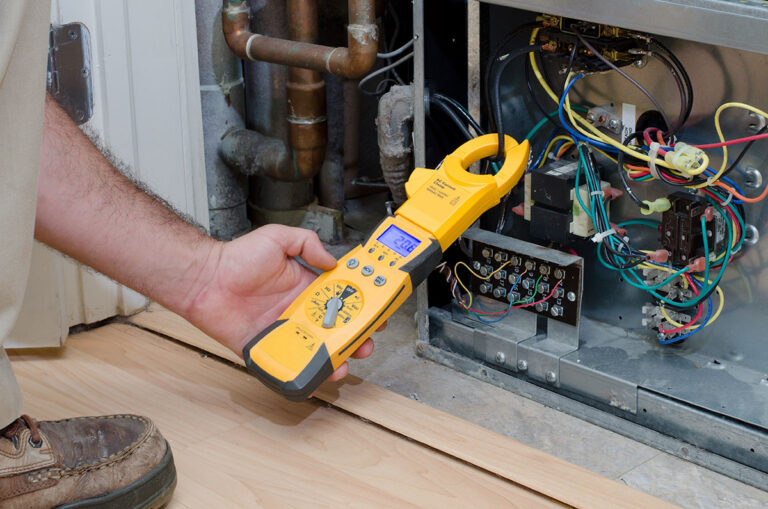
Are you in the market for quality AC repair services in Cape Coral, FL? From quick fixes to long-term repairs, the licensed professionals at Dolphin Cooling & Heating have the skills to get your AC system working again in no time, which we all know is important in southwest Florida.
AC Repair in Cape Coral FL
In Cape Coral, the climate is humid and hot with high temperatures that can reach over 90 degrees during the summer months. So, you need to have an AC that will keep your home cool and help you beat the heat. Unfortunately, your cooling system can sometimes break down and require repairs over time, especially during our hot summers. That’s why having access to quality AC repair service in Cape Coral, FL, is so important.
When it comes to air conditioner repair, there are a few things you should look for in a reputable company. First and foremost, it’s important to make sure of the level of service you're going to receive. A company with years of experience in AC repair and a reputation for professional service is a must. Second, make sure that the technicians are certified to work on your AC system. That way you can be confident that they will do a quality job. Lastly, find out what types of warranties or guarantees are available for the service they provide. That way you will have some peace of mind that your AC system is in good hands.
At Dolphin Cooling and Heating, we offer residential services and commercial services, regular maintenance, emergency service, installation services, and indoor air quality, all at affordable prices with free estimates. Residents of Cape Coral in Collier County can count on complete customer satisfaction and great customer service from our HVAC service departments to our office staff. We have over 20 years experience servicing Cape Coral and surrounding areas and take pride in our outstanding HVAC business.
If you need a qualified technician from an HVAC company you can trust, we are standing by ready to provide reliable service from preventative maintenance to installing a new air conditioning system and anything in between! Our friendly service will be a breath of fresh air!
We love making a positive impact in our customers' lives, but you don't have to take our word for it! Check out our reviews and then call today to schedule your free estimate for your air conditioning services. We offer same-day service for emergency HVAC repair and we proudly serve Cape Coral, Fort Myers, Estero, Bonita Springs, Vineyards, Naples, Golden Gate, and Marco Island with our superior customer service and comprehensive cooling services. Dolphin Cooling and Heating has all your Florida cooling solutions!
It’s no secret that energy costs are a big chunk of your monthly expenses. What you might not know is the extent of HVAC energy consumption. Knowing what uses the most energy in an HVAC system can help you identify areas where you can cut costs and reduce your energy bills. At Dolphin Cooling, we know that your AC is a must-have in warm climates like southwest Florida, so we love to educate our customers on how to reduce electricity costs in any way they can so they can enjoy the cool air inside their homes.
What Uses the Most Energy in an HVAC System
There are several components in your air conditioning system that require high energy usage to function. We'll go over each of those below and explain their roles and what determines the amount of energy they use.
The Compressor
The compressor is one of the main components in HVAC equipment that uses a significant amount of energy. It's responsible for compressing the refrigerant gas to increase its temperature and pressure before it's passed through the evaporator. As the gas flows through the evaporator, it absorbs heat from the surrounding air and cools it before being released outside by the condenser.
If you have a failing compressor, it can start using a lot more energy because it may need to work harder to maintain the desired temperature. Also, a compressor that is too small for the system it serves might run continuously to keep up, which will result in higher energy bills.
To keep your energy bills low, make sure that your compressor is the right size for your HVAC system and that it's functioning well. Regular maintenance and cleaning of the compressor can also help to make sure that it's running efficiently, which can help reduce energy usage.
The Evaporator
The evaporator is another crucial component of your HVAC system that consumes quite a bit of energy. It works by absorbing heat from the indoor air and converting it into cold air. If this part is not functioning correctly, it can lead to higher energy bills and poor indoor air quality.
One of the main causes of energy loss in the evaporator is dirty air filters. When your air filters become clogged with dust and debris, it restricts the airflow to the evaporator. Now the evaporator will have to work harder to maintain the desired temperature, leading to higher energy consumption. That's why it's essential to clean or replace your air filters regularly to make sure you have maximum airflow and energy efficiency.
Another factor that affects the performance of the evaporator is the level of refrigerant in the system. If it's low, the evaporator has to work harder to achieve the desired cooling level. Also, low refrigerant levels can cause ice buildup on the evaporator coils, leading to a decrease in its efficiency and lifespan.
Another consideration is the size and location of your evaporator, which can also impact its energy usage. If your evaporator is too small for the size of your home, it will have to work harder to keep up with the demand for cooling. If it's located in an area with poor ventilation or insulation, it will consume more energy to maintain the desired temperature. So it's important to choose the right size and location for your evaporator to ensure maximum energy efficiency and performance.
The Blower
Another major energy hog in your HVAC system is the blower. The blower is responsible for circulating air through your home. The more powerful the blower, the more energy it will use. Older models of blowers will likely be less efficient, meaning they require more energy to perform their job. If you have an older HVAC system, you may want to consider upgrading to a more energy-efficient model.
One way to keep your blower from using too much energy is by keeping your air filters clean. When your air filters get clogged, it restricts the airflow and forces the blower to work harder to circulate air. This means your blower is using more energy than necessary, and it's also putting extra wear and tear on the motor.
It's also important to properly size your blower. A blower that is too small for your HVAC system will have to work harder to circulate air throughout your home, while a blower that is too large will use unnecessary amounts of energy.
Along with proper sizing and clean air filters, you can also install a variable speed blower. Variable speed blowers can adjust their speed depending on the temperature in your home, so it's not using energy unnecessarily. It's also a great way to keep the air in your home circulating, even when your HVAC system isn't actively heating or cooling your home.
The Condenser
The final component of your HVAC system that uses a lot of energy is the condenser. This is where the heat that has been absorbed by the refrigerant is released outside of your home. The condenser coil is located in the outdoor unit of your system and it works by using a fan to blow air over the coil to remove heat.
The condenser fan motor can use a large amount of energy if it's not working efficiently. The motor should be lubricated regularly and cleaned of any debris to ensure that it's functioning optimally. You may also want to consider upgrading to a high-efficiency condenser fan motor to further reduce your energy consumption.
Another way to ensure that your condenser is using energy efficiently is by ensuring that it's located in a shaded area. This can significantly reduce the amount of heat that the unit needs to expel, which in turn can lower your energy consumption. Additionally, regular maintenance such as cleaning the condenser coil can ensure that the unit is functioning properly and not wasting energy.
How to Reduce Energy Use from HVAC Systems
Now that we know what uses the most energy in an HVAC system, it's time to look at ways to reduce that energy usage. Here are some tips to get some energy savings:
1. Keep up with regular maintenance:
Regular maintenance is key to ensuring your HVAC system runs efficiently. This includes changing filters, cleaning coils, and inspecting parts for wear and tear. By keeping up with regular maintenance, you can prevent energy-wasting problems before they happen. Having an HVAC technician check your system efficiency regularly is key to system longevity. Check out our maintenance plans!
2. Upgrade to a more energy-efficient system:
If your HVAC system is old and outdated, consider upgrading to a more energy-efficient system. A new HVAC system is designed to use less energy and is often eligible for rebates or incentives from your local utility company.
3. Use a programmable thermostat:
A programmable thermostat, also known as a smart thermostat, allows you to set temperatures for different times of day, so you're not wasting energy when no one is home. This can significantly reduce your energy bills over time.
4. Seal leaks and gaps:
Air leaks and gaps in your home can lead to significant energy waste. Make sure doors and windows are properly sealed, and consider using weather stripping or caulking to seal any gaps around your HVAC system or ductwork.
5. Use natural ventilation:
In some cases, natural ventilation may be an option to help cool your home. This includes opening windows and doors to let in a cool breeze or using ceiling fans to circulate air. By using natural ventilation when possible, you can reduce your reliance on your HVAC system and save energy.
Conclusion
As you can see, there are several components of an HVAC system that can be major energy consumers. Understanding how each component works and their impact on your energy bills can help you make informed decisions about your HVAC system usage. The easiest way to reduce energy use from your HVAC system would be to consider investing in energy-efficient models or upgrading certain components. Regular maintenance, like changing air filters and cleaning coils, can also help optimize your system's performance. By taking these steps, you can keep your home comfortable and your energy bills under control.
Charlie:
Welcome to Comfort on Porpoise, sponsored by Dolphin Cooling and Heating who have been providing 24/7 Comfort on Porpoise since 1998. Well, welcome back listeners. Charlie McDermott here with Lauren for the Comfort on Porpoise Podcast. Lauren, how you doing?
Lauren:
I'm good. How are you today, Charlie?Charlie:
Doing terrific. So last time we spoke you had talked about this cool contest, I had to keep like checking my hearing. I'm like, what? What are you doing? And you have since fulfilled, you’ve announced the winner. So let's back up and for our listeners who didn't hear what was going on, just so, I don't know, if he'd do it again, sometime in the future, they can make sure they get in on this. But what did you have going on?Lauren:
So in the beginning of January, at the start of the year, our team here at Dolphin had gotten together and decided, you know, what can we do? We wanted to give back. The Southwest Florida community was very devastated by Hurricane Ian and so we put together this AC giveaway.
The deal was anyone could enter to receive the giveaway, we wanted to help somebody in need, if we could, people just could go online to our website or through our social media, fill out this form with some minimal information about themselves, and they would go into a drawing. And we were going to select someone at random in early March to receive a free AC system for their house. So we did end up selecting a winner, chosen at random and this woman that was selected actually, she did not nominate herself. Cecause people could go in and could also submit entries for people that you knew. She got nominated by two of her friends. They both submit on her behalf and her story was really, very touching. She's a single mom. She lives in Naples, Florida. And what they shared with us was that by trade, this woman is a welder. A Very good welder, from what I understand. She goes to work every day and her her work environment is very hot. I mean, it could get up to 95-96 degrees inside the room that she's working in. And they shared with us that, and I can't imagine how she did this, but this woman had, has had no AC in her home for nearly two years. Her AC system died. She didn't have the cash to pay for it up front. She was having issues getting financing in order to finance a new AC unit for her home. So she was just toughing it out. And basically strategically placed fans around her home to try and circulate the air, but had no AC. I think it was in the summer of 2021 is when her AC died and she hadn't had it since then. So she goes to work, works in a very hot environment as a welder all day, and then she comes home and her home is hot. And to top this all off, she's a single mom, her children older, but still single hard working mom, and she has MS. So she's been managing to sustain all of this and live in her home with no AC. So we were so excited! Her her two friends had nominated her and we reached out to her friends and said listen, we gave them a heads up. Your friend was selected, she's gonna get the AC system, but we want to surprise her. So we wanted to make you aware we're going to show up. We're going to call her and tell her that she was one of our finalists, and we just need to come out to see the system she needs so we can have the information should she win so we'll be prepared. One of her girlfriends went out and met us out there at her house at the day we were coming out to do this site visit just to survey what was needed. We got out there it was myself, my brother Greg, who's one of the other owners here and then our service manager Roger, and we brought balloons and we have these little dolphin stuffed animals with a bandana that says dolphin cooling and heating on them tied the balloons to it. So we got there, introduced ourselves, chatted with her a little bit, didn't say anything at first, and then I went over to the truck and took the balloons out to give them to her and I said, we fibbed a little. We are here to see what you need. But that's because you won and you're gonna get the new AC system. And she immediately just burst into tears. It was really special moment.Luckily, her girlfriend was filming so she got it on camera. Anyone who's interested, if you go to our Facebook or our Instagram pages under dolphin cooling, you'll be able to you can see the videos and watch that interaction unfold for yourself. She was so excited, she shared a little bit more about her story. She was just overjoyed with the thought of finally, I'm going to I'm going to be able to come home, my home is going to be air conditioned, like I'm not going to leave a 95 degree workplace to come home to a 90 degree house, especially in the dead of summer. Within a week, we went back out there, we installed her brand new AC system for her. So she's now very comfortable in her house with AC. And it was so kind her girlfriend had reached out to us after and she said I just want to tell you that after you guys left, Shane is the name of the woman who won. Shane said to me, I can't believe it, you know, miracles really do happen.So it was it was really great. It was an awesome experience. We felt really blessed to be able to do that for somebody else and pay forward for someone who really needed it. And we've already talked a bit as a team, and I can't confirm with 100% definite, but it's very likely that people will probably see this from us every year. That that we may continue doing this and this might have just been a first annual type of event. So it was it was really an exciting experience and she's been super happy. You know, we followed up with her after we went out I went out that day that we did the install and visited with her again on site, make sure she was comfortable and happy with everything. She's now had AC for pretty much a month at this point, so she's she's very happy.Charlie:
I’ll bet. And yeah, we haven't even gotten even close to the peak heat season. What a difference it made already and it's gonna make then. How do you even you work in an environment like that, and usually if you don't have AC, at least when you go to work, you can cool off but, my Lord, 24/7 She was in the heat.
Lauren:
Yes, constant. I don't know how she did it, especially in the dead of summer and trying to sleep in that at night. No idea, but God bless this woman she she did, you know, you have to do sometimes what you have to do and she did. So it was awesome to be able to gift her with an AC and so she can have comfort on porpoise in her house now, which is nice.Charlie:
There you go and you know, the wonderful thing about that is you make, certainly, her feef good and that goodness, you know, probably every time she looks at the thermostat outside and sees it in the 90s or even 80s she's gonna think about you guys, but but also your team. I can just see, you know, for your listeners, you can't see Lauren, you can see her in the video, but no, just you sharing that story. You could you could tell how good that felt and I know with Greg and the rest of your team, I mean, your installation team and all that was just probably a special project for everyone.Lauren:
It was. It was a whole whole team effort. Everybody participated and everybody felt really good to play a role in it. Charlie:
It’s one of those situations in life where, yeah, we had a terrible hurricane rip through southwest Florida. But you know, a lot of good things have come from it and you guys are a prime example of that.Lauren:
Thank you, Charlie.
Charlie:
Thank you for coming up with this and investing the time and dollars and everything else and helping others. That's great. That's all it takes. You know? Lauren:
It's true. It is. So we're, we're hoping, hopefully everybody will hear about this again next year. So keep an eye out, check our website, follow our social media. If we do it, we'll be posting it. So people are aware and give plenty of time.Charlie:
And hopefully, we won't have to tie it to another hurricane.
Lauren:
Nope, no, hopefully not. Hopefully it'll just be for the purpose of trying to pay it forward and help a community who is done so much for us, to help our business grow and to be able to pay it back.Charlie:
Good stuff. Lauren, thanks for updating us there and, again, for all you and your team have done and continue to do and southwest Florida. And we'll look forward to talking more in the next episode.Lauren:
Fantastic. Thanks, Charlie. It's always good to see you and thank you to everybody listening today.Charlie McDermott:
Thanks for listening to Comfort on Porpoise to learn more about our sponsor Dolphin Cooling and Heating visit www.dolphincooling.com or call 239-596-9044. That's 239-596-9044.
Do you think you might need a new AC capacitor? You’re probably wondering how much AC capacitors cost and how big of a deal replacement is. When your air conditioning system needs repair, it can be stressful. We sometimes deal with extreme heat here in SWFL being without an air conditioner is not ideal. We understand that, and we're here to give you the information you need to make an informed decision for your cooling system. We’ll discuss the cost of a new AC capacitor and how to know if you actually need a new one, to begin with. As always, feel free to call the team at Dolphin Cooling with any questions you have.
What is an AC Capacitor?
An AC capacitor is a device used in AC circuits to store electrical charge and to release it when needed. It's located in your outdoor unit, near the compressor motor. This part, also known as the AC start capacitor or AC run capacitor, is required for your air conditioner to be able to start running. Your HVAC unit uses much more energy to kick on than it does to continue running. The AC capacitor gives it that extra kick through a high-voltage jolt of electricity that it needs to start, and then it cuts off. It's basically the starter on your car's engine.
Signs Your AC Capacitor Needs to be Replaced
Below are some of the warning signs your AC capacitor might need to be replaced. To learn more about the signs, why you might have ended up with a bad capacitor, and how to test your HVAC capacitor, read our blog post, AC Capacitors: What They Are and What They Do.
Making a humming or buzzing noise
Blowing warm air
Cycling on and off frequently
Failing to start
Has an unpleasant smell
Bad AC capacitors can happen for different reasons like age, power surges, and other electrical problems that may result in capacitor fails. AC capacitors are made to last a long time, but depending on the brand you get, they can last anywhere from 5 years and all the way up to 20 years in ideal conditions. Unfortunately, in SWFL we aren't exactly in ideal conditions. The most common causes of air conditioner issues here come from our regular high temperature year round, but especially in the summer months, which puts a higher demand on all the HVAC system's components.
How Much Do AC Capacitors Cost to Replace?
The average cost of having an AC Capacitor replaced depends on several factors, including the make and model of the unit, labor costs in your area, and whether you need a single run capacitor or a dual capacitor. The price of the part will vary with brands as well. Some brands will come at a higher cost than others. Generally, the cost of replacing the capacitor can range from $30 to $200, depending on the size and type of capacitor needed.
Labor costs can vary greatly, depending on the complexity of the job and the location of the unit.
The Cost of Not Replacing Your AC Capacitor
An inefficient capacitor can lead to a decrease in the efficiency of the system, leading to an increase in the amount of electricity used. A malfunctioning capacitor can lead to damage to the unit and other components, which will mean you'll end up with other costly repairs and higher energy bills. Ultimately, replacing a faulty capacitor can help reduce energy costs, increase system efficiency, and protect other components from damage. If your AC capacitor has stopped working entirely, you won't have any choice but to get a new capacitor.
Can I DIY My AC Capacitor Replacement?
The AC capacitor is a high-voltage part, and working with it can result in serious injury. This is not a simple DIY task. It's part of the electrical system of your HVAC system, and we do not advise that you try to replace your old capacitor. Although there are some AC repairs that homeowners can do on their own, this is not one of them. You need a trained and licensed HVAC technician to replace your air conditioner capacitor not only for your safety but also to avoid causing further damage to your unit. Paying the cost of labor for an HVAC professional to complete this task is much better than risking your safety or taking the chance with electrical components that can cause further disrepair.
The air conditioner is an essential part of your home in Southwest Florida, but the condensing unit that is located outside of your house isn't the most appealing equipment to have sitting around. To help you disguise that unit, we have put together a list of the best plants to have around your AC unit. There's more to this than simply covering up the unit. It's important that you follow some guidelines so you don't end up damaging your outdoor HVAC unit or decreasing the efficiency of your air conditioning altogether.
How Close Can You Plant to Air Conditioner Unit?
This is the most important question to ask. Your HVAC system needs proper airflow, which requires enough space around the entire outdoor AC unit. Planting near the unit is fine, but you should keep as least two to three feet of space between your plants and the unit for constant airflow. If you restrict the airflow to your outside unit, the system will have to work harder to cool your home. This also increases the temperature of the unit, especially when outdoor temperatures are high. Those things mean higher energy bills and a shorter lifespan for your air conditioner.
On the other hand, having nothing surrounding your AC unit may have the same effect. Don't be afraid to add some landscaping around your outdoor unit with the proper spacing because the direct sunlight will also cause your unit to work harder. A shade tree may be the best way to approach keeping your AC out of direct sunlight. Just make sure not to plant anything that will hover over the unit closer than 5 feet, and further away than that would be better.
You'll also want to keep in mind when choosing the best plants for around your AC unit that you need to leave plenty of room for an HVAC tech to easily work on your unit. Let's get into some plant suggestions.
Best Plants Around AC Unit
There are lots of options for planting around your AC unit, but the best option will be different for everyone.
Evergreen shrubs
Planting evergreen shrubs is a great way to disguise your unit without creating a mess around it. Shrubs that don't shed a lot of leaves like boxwood are a great option. You want to keep debris down around your outdoor unit, otherwise you'll need to clean up around it regularly or it will cause issues.
Plants that grow up
Choose plants that grow up, rather than out. Plants that grow out may be a good distance from your unit when they're planted, but over time they will get closer and closer. That means more regular maintenance or possibly the need to replace them later. Another up side to plants that grow up is that they provide an easy way to create a shady area, or at least partial shade, for your AC unit. The less direct sunlight it has to endure, the more efficiently it will be able to cool your home for lower energy costs.
Drought tolerant plants
Your outdoor condensing unit lets off a lot of hot air and, as part of its cooling process, pulls moisture from the air around it. Any plants nearby should be hot weather plants and either drought tolerant or given a lot of attention and frequent watering. Plants that require less work over time are probably a more attractive option for most people, but the important thing is that you find the right plants for your yard and lifestyle.
Low flowering plants
Flowering plants that shed their flowers can be an issue for your condensing unit. Even if you've left enough room between your outside AC unit and the plants, petals will easily blow in the wind and can end up inside your condensing unit. If you maintain it regularly and keep it clean, this isn't such a big deal. But if you want an easy solution, just plant evergreen plants instead.
Plants to Avoid
Avoid these types of plants to prevent various issues from popping up from your landscaping.
Pollinators
Flowers and other pollinating plants are great plants, but there are better options for the area around your condensing unit. Pollinators attract bees and wasps and both love to build their nests in and around condensing units. Avoid attracting them there in the first place with plants that they aren't interested in.
Plants with thorns
For you and your AC technician, avoiding plants with thorns around your AC unit allows for easy access when you're ready to work on it. It's important to keep plants at a good distance so there is space for repair anyway, but keep it even more technician friendly by avoiding prickly plants.
Wondering how to lower your AC bill in Southwest Florida? If you live in SWFL, chances are you’re looking for ways to save money on your air conditioning bill. With the scorching heat of the Florida sun, running the air conditioner can quickly become one of the most expensive parts of your monthly budget. Fortunately, there are simple and straightforward ways to lower your AC bill without sacrificing comfort. In this blog post, we’ll discuss some of the best strategies for reducing energy costs and keeping your home cool and comfortable. From simple DIY projects to big upgrades, we’ll cover all the ways to keep your air conditioning bill down and your savings up. So, if you’re ready to start saving money on cooling costs, read on to learn more!
How to Lower AC Bill in Southwest Florida: 11 Tips and Tricks
1. Install a Programmable Thermostat:
A programmable thermostat can be set to adjust the temperature throughout the day, allowing you to save energy when you’re not home.
2. Use Ceiling Fans:
Ceiling fans are a great way to keep the air circulating and cool down the room without cranking up the AC.
3. Close Blinds and Curtains:
Closing your blinds and curtains while you aren't home. This will help keep the sun out and keep your house cooler.
4. Seal Air Leaks:
Make sure you have no air leaks around windows and doors and seal them up so your cool air isn't escaping and making your AC unit run longer than necessary.
5. Clean Air Filters
Dirty air filters can increase the amount of energy your AC uses. Make sure to change your filters regularly.
6. Use the Right Size Unit:
Make sure you have the correct size AC unit for your home. A unit that is too big will use more energy than necessary.
7. Insulate Your Attic:
Make sure your attic is properly insulated to keep the heat out and lower your energy bill.
8. Plant Shade Trees:
Planting trees around your home will provide natural shade and help keep your home cooler.
9. Utilize Natural Light:
Open your windows and let the natural light in during the day to save energy and lower your AC bill.
10. Schedule Regular Maintenance:
This will help to prevent costly breakdowns and ensure your system is running as efficiently as possible.
11. Update Your AC Unit:
If your unit is outdated and no longer energy efficient, it can cost you a lot of money on energy bills, not to mention repair bills. Updating to an energy efficient unit may save you money in the long run.
Conclusion
Learning how to lower your AC bill in SWFL doesn’t have to be difficult. With a few simple adjustments to your home and AC system, you can see a significant decrease in your bills. From proper maintenance to smart thermostats and ceiling fans, you can make sure your AC is running efficiently and saving you money. So don’t let the sweltering summer heat break the bank – stay cool and save money with these simple tips.
For more information about scheduling regular maintenance, check out our AC Maintenance Plans. Contact us today to learn more.
If you've been through hurricane season in SWFL and experienced a power outage, you're probably wondering what size generator you need to run your air conditioner. Since it's pretty common for us to experience severe weather here in SWFL, having an emergency power source like a backup generator is ideal. It's typically not too bad to go through the storms themselves without power, the real issues come after the storm has passed, but electricity hasn't been restored. Sometimes it can take days or even weeks.
If you're thinking about getting a source of backup power, you'll need to know how much power you need to run your AC and other appliances. There's no one-size-fits-all answer, but we can help you figure it out. The size of the generator you need depends on the size of your AC unit and how much power it requires to run. In this blog post, we'll help you figure out which generator size is right for your AC needs. We'll explain how to calculate your AC unit's power requirements, plus any other essential appliances, and how to choose the right generator size to have enough power for your home. Read on to learn more!
Types of Generators
When you're shopping for a generator, you'll notice there are two types that can run a central air conditioner, standby generators and portable generators. Choosing the best generator for you just comes down to a few factors. Let's compare the two.
Portable Generators
Portable generators can be moved and easily transported. The benefits and downsides of a portable generator are:
Less expensive: This type of generator will cost anywhere from $500 to $2000.
Powers your essentials: AC, refrigerator, etc.
Manual startup: If the power goes out, you'll have to go out and manually start a portable generator.
No installation or maintenance needed: Portable generators can be stored in your garage and basically forgotten about until you need to use them.
Will need to be refueled frequently while running: Portable generators typically run on gas, diesel, or propane.
Standby Generators
A standby generator is wired into your home's electrical system. It's installed outside of your home in one location and is considered stationary. Here are some benefits and downsides of standby generators:
More Expensive: You're looking at $3000 to $5000 for a standby generator, plus an additional $2000 to $4000 for installation.
Automatic startup: When the power goes out, a standby generator automatically starts running.
Powers the entire house: Having a standby generator means everything operates as usual when your power goes out.
Requires regular maintenance: This unit must be maintained to ensure it will continue to power your home in emergencies.
No fueling required: Over the life of the standby generator, you'll spend less time on maintenance because you won't need to maintain it by refueling while it's running.
Generator Sizes
Home generators are typically sized based on the amount of power needed to meet your home’s needs. The size of the generator refers to its electrical output and the size you need is determined by the wattage of all the appliances and devices that will be powered by the generator. Generators are sized by watts (W) or kilowatts (kW), 1 kW = 1,000 W.
Portable generators can range from 2,000 watts to 10,000 watts, while standby generators can range from 10,000 watts to several hundred thousand watts.
How to Calculate What Size Generator to Run Air Conditioner
Calculating the correct size generator for what you want to power in your home is really important. If you choose a generator with less power than you need, it can overheat and damage your AC or other appliances.
Powering Just Your AC
1. Determine the wattage of the AC unit. This can usually be found on the AC unit's nameplate or in its user manual, but you'll need to do a little calculation. First, you'll calculate the tonnage of your unit. An AC unit is measured in tons and BTU's (British Thermal Units). Look for the unit's model number, which you can find on the manufacturer's label on the unit itself. Contact the manufacturer with the model number to get the number of BTU's or find it listed in the unit's manual. If the unit is measured in BTU's, you just need to calculate the tonnage from that number. 1 ton = 12,000 BTU's, so you'll divide your unit's number of BTU's by 12,000 to find out how many tons it is. For example, if your unit is 24,000 BTU's, it would be 2 tons (24,000 ÷ 12,000 = 2).2. Once you know the AC's tonnage, you can calculate its wattage. 1 ton = 3,500 watts, so if you have a 2 ton unit, the wattage is 7,000 (2 x 3,500 = 7,000).
This calculation measures the starting watts of your AC unit, which is the number of watts your AC unit needs to start up (always more than running watts). Based on the calculations, we have determined that for a 2 ton AC unit, you could run a 7.5 kW generator. Remember, this is only to power your AC unit. Not your other appliances. To run additional appliances, you'll need a larger generator.
Powering Your AC and Essential Appliances
To find the appropriate generator to run more than just your AC, you'll need to add together the wattage (starting wattage, not running wattage) of each appliance you want to run plus the starting wattage of your AC. Remember that do-it-yourself wattage calculations are only estimates, and it's a good idea to have a professional give you exact numbers and specific requirements for your home if you're serious about purchasing a home generator.
Final Thoughts
Getting the right size generator is very important. It's best to spend more money upfront to get a well-sized generator for your home than to skimp on size to save money and end up having to repair or even replace your AC unit or other appliances because of damage from a generator overheating. Calculating your power needs for a generator to run your AC and other appliances may be confusing, so be sure to contact Dolphin Cooling & Heating for help! We are always happy to assist our community with all of the HVAC needs.
Dolphin Cooling and Heating has been serving Southwest Florida homeowner's air conditioning repair needs since 1998! We not only provide AC repair in Ave Maria FL, but as a locally owned and operated HVAC contractor business, we provide a full scope of heating and air conditioning services to the rapidly growing community of Ave Maria, and surrounding areas.
AC Repair Ave Maria FL
Its inevitable that your air conditioner will need repair at some point. Knowing who to call to fix it is pretty much the whole battle. If you have a reliable air conditioner service company on speed dial, your AC problems won't need to turn into a huge ordeal every time something happens. Our service department is staffed with high trained and skilled professional HVAC technicians who will take care of your AC repairs quickly and efficiently the first time.
Routine Maintenance
Regular maintenance of your AC will drastically reduce the number of breakdowns you experience with your system. Simple upkeep like changing your air filter, cleaning your AC coils and drain line, and inspecting the air handler and condensing unit regularly can make all the difference in the life and efficiency of your unit. Dolphin Cooling and Heating offers maintenance plans to fit the specific needs of our customers.
Emergency Repairs
Dolphin Cooling is available for emergency repairs to keep your home cozy at all times! We know that having an AC breakdown in the middle of a hot SWFL summer is not ideal, to say the least. Our AC service department is quick to respond to emergency AC issues.
Sales and Installation of New HVAC Systems
If your Ave Maria home is in need of a new AC unit, we're the company to call! Our expert sales and installation technicians will walk you through every step of the process and make sure you have all the information you need to make the right decision for you.
Give Dolphin Cooling and heating a call for all of your AC needs in Ave Maria, FL and surrounding areas. We're the HVAC experts you can trust and rely on to show up when we say we will, do the job to the highest standards, and provide excellent customer service! We look forward to serving your AC needs! Contact us today!
If you suffer from seasonal allergies, you know the summer months can be especially difficult. You're probably really interested to find out about the best air conditioner for allergy sufferers or to learn that AC helps with allergies, to begin with! All the pollen, dust, and other airborne allergens can make it hard to breathe and can make it difficult to enjoy the warm weather without ongoing allergic reactions. An air conditioner can purify the air and help keep your allergies at bay.
Indoor Air Quality
The reason air conditioners are helpful for allergy sufferers is that they clean the air and keep fresh air circulating throughout the home. They essentially work like air purifiers to some degree. Poor air quality in your home will make allergy symptoms worse. Maintaining good air quality can help reduce allergy symptoms from allergens like dust mites, pet dander, pollen, and mold spores that can all become airborne, increasing the risk of allergy attacks. Poor air circulation can also cause airborne particles to remain in an enclosed space, making allergy symptoms worse.
An air conditioner can help reduce these risks by filtering out allergens and providing better air circulation. Air conditioners use air filters to capture and remove allergens from the air. The air filters in air conditioners are designed to capture small particles and effectively remove allergens from the air. On top of filtering allergens, air conditioners also help to control the humidity levels of your home. High humidity can cause mold and mildew growth, which is a huge trigger for many allergy sufferers.
The Best Air Conditioner for Allergy Sufferers
There really isn't a best air conditioner for allergy sufferers, but don't think we tricked you into reading this blog post! Most HVAC and AC units do the same to improve your air quality, provided they are in good working order. They keep cool, filtered air circulating through the home, and they keep humidity levels down, as we discussed earlier. It's the AC maintenance and the air filter in your AC that really make the difference in allergens in your home.
There is, however, better air quality with HVAC or whole home AC units vs portable AC units or window AC units. This is because a whole home system circulates all the air, leaves no stagnant areas, and has a better air filtration system. But if we're talking about a type of HVAC system, no model would do a better job than another.
A good air filter, which you can read more about here, and regular AC maintenance will ensure that your AC can continue to keep your indoor air quality allergen-free.
Tips for Optimal Indoor Air Quality
These tips will not only help your indoor air quality during allergy season and prevent the worsening of respiratory issues, but they will also extend the life of your HVAC unit and may lower your electricity bills.
1. Replace your air filter regularly
By replacing your air conditioner's filter regularly, you will ensure that your air quality remains high. A dirty air filter will pollute the air in your home. Check your filter at least every 30 days if you have allergies to indoor allergens. You may not need to replace it that often, but it's a good idea to take a look in case you could benefit from changing a dirty filter and reducing the number of airborne pollutants and allergens that are circulating in your home.
2. Get regular HVAC maintenance
AC maintenance should be done on a regular basis for your whole HVAC system, including air ducts. Clean filters aren't the only determinant of air quality. Your cooling system has several other parts that should be cleaned regularly, like the coils and condensate drains. Maintenance of a home's air conditioner goes a long way toward creating healthy indoor air quality.
3. Install an air purification system
A UV light air purification system can help reduce allergens, bacteria, mold, and other contaminants in the air. It kills those microscopic particles in the air that contribute to airborne allergies and illnesses, reduces odors, and improves overall air quality, which can be beneficial for seasonal allergy sufferers and people with asthma.
Conclusion
No matter which AC unit you have, it's a clean air conditioner that makes all the difference. For help keeping maintenance up and improving your home's air quality, call Dolphin Cooling and Heating! We have maintenance plans to fit your needs and our friendly, expert technicians are standing by ready to help you!
We're excited to share our best HVAC maintenance tips for pet owners! As a pet owner, it’s important to keep your HVAC system in good shape to maintain a comfortable and healthy living environment for both you and your furry friends. A well-maintained heating, ventilation, and air conditioning system ensures the air in your home is fresh, clean, and comfortable. It also helps prevent or keep your allergies, and even pet’s allergies, and breathing issues under control.
Fortunately, maintaining an HVAC system is not difficult, and there are some easy tips that you can follow to ensure your system is working as it should be. In this blog post, we'll be discussing some simple HVAC maintenance tips for pet owners that can help you keep your home comfortable and your pet healthy.
HVAC Maintenance Tips for Pet Owners
Here are some HVAC maintenance tips for pet owners that can help you keep your system running smoothly. These simple steps will really improve your home's air quality and the efficiency of your cooling system in the long run.
1. Replace air filters regularly
Pet dander and hair can quickly clog air filters, reducing the efficiency of your system and potentially leading to indoor air quality issues. Make sure to regularly check and change your air filters to ensure that your HVAC system is running optimally. Depending on the kind of pets you have and the amount of hair they shed, change your filter every 30-60 days. Check your filter regularly until you figure out the perfect amount of time between ac filter replacements.
2. Clean your home often
Pets are great, but pet fur can create issues for your air quality and the life of your air conditioner. The most often you clean your home, the less pet contaminants will be circulating through your AC system. Pet dander is one of the common pet allergy triggers there is and it's hard on your home's HVAC system. Even if your pet sheds much less hair than some other pets, loose fur, even in small amounts, and small particles of pet dander can cause a lot of health issues for both you and your pets.
3. Clean the air ducts
Air ducts can become clogged with pet hair, dander, and other debris, reducing the efficiency of your system. Make sure to have your air ducts cleaned by professional technicians every few years to keep them free of build-up and prevent blockages.
4. Get your system serviced regularly
Have your HVAC system professionally serviced at least once a year to ensure that it’s running properly. This will help you spot any potential problems early and prevent costly repairs in the future. Preventative measures are the best way to say money and hassle in the long run and increase the lifespan of your HVAC system.
5. Frequent grooming
Regular maintenance to your household pets themselves is important too! Giving your pets regular baths, haircuts if necessary, and brushing them to get rid of excess hair is a must! A clean and well groomed pet will be much less of an issue for your HVAC air filters and your indoor air quality. You don't want your beloved pet to start causing allergic reactions and poor air quality. So take those furry family members to the groomer regularly or groom them yourself at home.
6. Keep pet-related odors under control
Pet odors can linger in your home and make it uncomfortable for everyone. Invest in an air purifier to help eliminate odors and make your home fresh and inviting. Grooming your furry companion will go a long way to keeping odors under control, but animals will always have some unpleasant smells, no matter how often you groom them.
7. Keep your outdoor unit clean
Your outdoor AC unit needs to draw in fresh, clean air in order to circulate fresh clean air in your home. Make sure to regularly clean up around your outdoor unit for better air flow. Professional HVAC maintenance will also ensure that your outdoor unit's components are clean and in good working order.
8. Invest in a programmable thermostat
A programable thermostat is good for your energy bill and for the comfort of your pest while you're away. The ability to program your thermostat to adjust to ideal temperatures for your pet throughout the day or night while you're away is not only convenient and nice for your pets, it's also easier on the utility bills.
One last HVAC Maintenance Tip for Pet Owners
By following these HVAC maintenance tips for pet owners, you can ensure that your system is running efficiently and your home is healthy for both you and your pet. The best way to extend the life of your HVAC unit is with one of Dolphin Cooling's AC Maintenance Plans. Regular HVAC maintenance will keep you and your furry friends happy and comfortable!