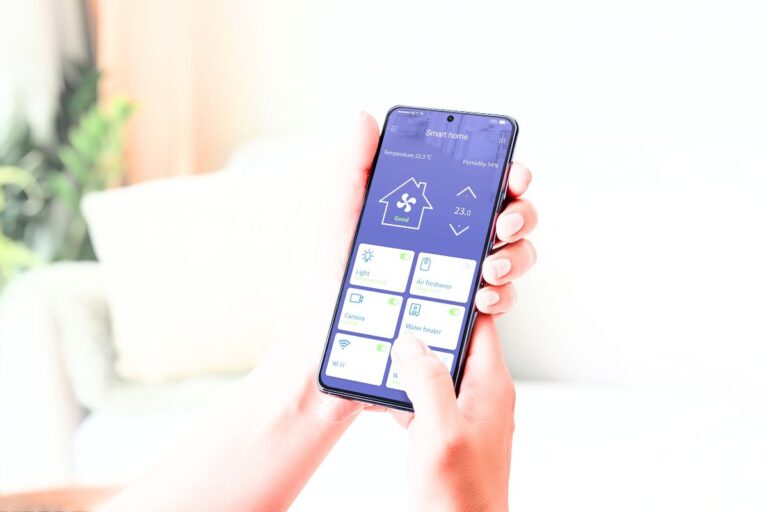
Do smart thermostats work with any HVAC system? These advanced devices offer benefits like energy savings, convenience, and remote control, so you might be wondering if you can upgrade with your current system. The answer depends on your specific setup, including the type of HVAC system, thermostat compatibility, and the presence of certain components like a common wire (C-wire).
Understanding Smart Thermostat Compatibility
Smart thermostats, like the Nest Thermostat or other top picks from smart thermostat manufacturers, are designed to work with a wide range of HVAC systems. However, compatibility varies based on factors like:
1. Type of System
Smart thermostats can work with different types of HVAC systems, including:
Standard HVAC systems: Single-stage or multi-stage heating and cooling systems.
Variable speed systems: Offer precise temperature adjustments for improved energy efficiency.
Dual fuel systems: Combine heat pumps with gas furnaces for optimized energy use.
Zoned HVAC systems: Control temperatures in different rooms independently.
2. Thermostat Wires
Most smart thermostats require a constant power source, typically provided by a dedicated C-wire. If your current thermostat or older thermostat lacks a C-wire, you may need an adapter or professional installation to ensure seamless integration.
3. HVAC Equipment Age
While smart thermostats can work with older HVAC systems, they may require additional setup. A professional HVAC technician can evaluate your system and recommend the right thermostat for compatibility.
The Role of a Common Wire (C-Wire)
One of the most critical factors in thermostat compatibility is the C-wire, which provides the continuous power smart thermostats need to run their advanced features. Many older homes with older HVAC systems lack a C-wire. However, smart thermostat manufacturers often offer solutions like power extenders or adapters to bridge this gap.
Benefits of Upgrading to a Smart Thermostat
The main reason to switch to a smart thermostat is the potential for significant energy savings. By optimizing your home’s temperature settings, you can reduce energy use, lower utility bills, and extend the lifespan of your HVAC equipment. Here are additional benefits:
Energy Efficiency: Save on heating and cooling costs by tailoring temperature adjustments to your schedule and needs.
Convenience: Manage thermostat settings from anywhere using a smartphone or internet connection.
Advanced Features: Gain access to features like occupancy sensors, weather-based adjustments, and voice control.
Avoid Expensive Repairs: Monitor energy consumption and performance trends to detect HVAC issues early.
Professional Installation for Seamless Integration
While some homeowners may opt for a DIY installation process, professional installation is usually the best option for ensuring your smart thermostat works correctly. HVAC professionals can assess your system, install a compatible thermostat, and optimize settings for maximum performance.
If you’re ready to upgrade to a new smart thermostat, reach out to professional HVAC technicians at Dolphin Cooling for installation. With the right thermostat, you’ll enjoy full control over your home’s temperature, advanced features, and significant energy savings.
When it comes to managing energy costs during the summer months, one common question homeowners often ask is, “Does turning off the AC during the day save energy?” The short answer: it depends. Understanding how your air conditioning system works, your home’s specific needs, and your daily habits can help you make the best decisions for energy efficiency and comfort levels.
Energy Use and AC Systems
Air conditioners work by removing warm air and humidity from your home, and replacing it with cool air. This process requires a significant amount of energy, particularly during the hottest part of the day and especially during SWFL summers. According to the U.S. Department of Energy, air conditioning accounts for a large percentage of energy usage in many homes, especially in hot climates or humid climates. So, managing your AC usage is a great way to reduce your electricity bill.
The problem with turning off your system completely during the day is that your home will heat up, especially in extreme heat or under poor insulation. The higher temperature inside means the AC unit will need to work full blast for an extended period of time to bring the indoor temperature back to a comfortable level. This can give you the opposite result you desire. If you do this regularly, you'll have higher energy bills, especially if your system is older or hasn’t received regular maintenance.
Temperature Setbacks: A Good Idea or a Waste of Energy?
Instead of shutting off the AC entirely, the best way to save energy is by using temperature setbacks. This means increasing the thermostat setting by a few degrees during the day when no one is home. For example, raising the temperature by 7–10 degrees for 8 hours a day can result in significant savings—up to 10% annually on cooling costs, according to the U.S. Department of Energy. When you come home, you can adjust the temperature to a comfortable setting and your AC unit will not have to work very hard to reach that temperature again.
Using a programmable thermostat or a smart thermostat can help automate these adjustments. These devices allow you to schedule different temperatures for different times of the day, so you can enjoy a cool temperature when you’re home and save energy when you’re not.
Short-Term Savings vs. Long-Term Efficiency
While turning off your air conditioner might seem like a good way to save money in the short term, it’s not always the best approach for long-term energy efficiency. Frequent temperature fluctuations can increase wear and tear on your HVAC system, leading to higher maintenance costs or even system failure. Maintaining a constant temperature is easier on the system and prevents issues like mold growth, which can occur in humid climates if the AC isn’t running to dehumidify the air.
If you use a central air source heat pump or a window unit, the same principles apply. Gradual adjustments and consistent operation are often the most effective ways to save energy while maintaining comfort.
Tips for Reducing AC Energy Usage
Here are some energy-saving tips to help you lower your utility bills without sacrificing comfort:
Use a Smart Thermostat: Invest in a smart thermostat to automate temperature settings and monitor energy use in real-time.
Schedule Regular Maintenance: Keep your AC unit running efficiently by cleaning air filters and scheduling annual tune-ups with expert HVAC services.
Seal and Insulate: Ensure your home has proper insulation to minimize excess heat and reduce energy loss.
Close Blinds and Curtains: Block sunlight during the hottest part of the day to keep your home cooler.
Use Ceiling Fans: Improve air circulation to maintain a comfortable temperature with less energy usage.
Avoid Peak Hours: Reduce AC usage during peak hours when energy rates are highest.
Set Realistic Temperatures: Keep your thermostat setting at the highest comfortable temperature to reduce overall energy consumption.
For more energy-saving tips or assistance with your cooling system, schedule your AC maintenance with Dolphin Cooling. Whether you’re dealing with a single room or a whole-house system, we have years of experience in helping homeowners achieve significant savings while keeping their homes cool and comfortable.
If you've ever seen recovery mode on your thermostat you might have wondered, what does recovery mode mean? This advanced feature has become more common on newer programmable thermostats, especially smart thermostats. Understanding recovery mode functionality can help you make the most of your HVAC system and enhance energy efficiency, maintaining a comfortable environment in your home. Here’s everything you need to know about recovery mode and how it impacts your thermostat’s settings, energy consumption, and overall HVAC performance.
What Is Recovery Mode?
Recovery mode is a special energy-saving feature found in modern thermostats. It helps your HVAC system achieve the desired temperature at a specific time of day without excessive energy consumption. For example, if your thermostat is set to reach a lower temperature by 7 AM during summer, the recovery mode feature will start the cooling system earlier to meet that goal. It's simply a gradual pre-heating or pre-cooling. Instead of blasting cold air at the last minute, the thermostat slowly adjusts your home’s temperature, improving energy efficiency.
Why Is Recovery Mode Important?
One of the most common reasons for using recovery mode is to balance energy efficiency and comfort. This mode keeps drastic changes in temperature to a minimum because they can lead to excess energy usage and higher utility bills. It’s particularly helpful if you use energy-saving modes during the day or night when you’re not home or sleeping.
Recovery mode is often seen as a modern thermostat feature, but it’s also compatible with many older programmable models. For those with older thermostats, upgrading to a newer thermostat with recovery mode functionality, like a Wi-Fi-enabled Honeywell thermostat, is the easiest way to save on energy costs.
When Does Recovery Mode Activate?
Recovery mode typically activates:
After a power outage or power surge, when the thermostat returns to its default settings.
When transitioning from an energy-efficient mode to a scheduled temperature.
During specific times of day when the thermostat is programmed to meet your daily routine.
A small icon or light may appear on your thermostat screen to indicate that recovery mode is active.
Troubleshooting Recovery Mode Issues
While recovery mode is a common feature of many programmable thermostats you'll find today, it can sometimes indicate HVAC issues. For example:
A malfunctioning thermostat may enter recovery mode at odd times or fail to reach the specified temperature.
If the air filter is clogged or the HVAC system isn’t operating efficiently, recovery mode may struggle to maintain the temperature of your home.
The good news is that our HVAC technicians can quickly diagnose and resolve complex issues.
Should You Turn Off Recovery Mode?
In most cases, it’s best to leave recovery mode on. However, if you prefer manual control over your thermostat’s settings or have a normal programmable thermostat that doesn’t offer smart recovery, you can disable this feature in the thermostat’s settings menu.
With proper thermostat settings, regular maintenance, and the right HVAC services, you can create a comfortable environment in your living space without excess energy usage. If you need help with your thermostat’s recovery mode or have questions about your HVAC system, don’t hesitate to reach out to the experts at Dolphin Cooling.
A frozen heat pump is a common occurrence, even in places like Southwest Florida, where colder temperatures aren’t typical. But why does this happen, and what should you do about it? There are some common causes of heat pump freezing.
Why Is My Heat Pump Freezing?
A frozen heat pump system is often caused by a combination of factors. Here are the most common reasons for this issue:
1. Cold Temperatures and Excess Moisture
Even in SWFL, winter months can bring cold air and high humidity, creating the perfect environment for ice formation. When outside air carries excessive moisture, it can freeze on the outdoor coil during heating mode.
2. Poor Airflow
Dirty air filters or clogged return vents can restrict air circulation, leading to poor airflow. This prevents the heat pump’s evaporator coil from transferring heat effectively, causing the coil to freeze. Regular maintenance, including replacing dirty filters, can help prevent this.
3. Low Refrigerant Levels
Low refrigerant levels or refrigerant leaks can reduce the temperature of the coil, leading to ice accumulation on the outdoor unit. Refrigerant flows are essential for proper heat transfer, so if your system isn’t working as it should, it may be time to call a certified HVAC technician.
4. Malfunctioning Defrost Controls
Heat pumps rely on a defrost cycle to melt any ice that forms on the outdoor coil. If the defrost function or defrost controls fail, ice can accumulate over an extended period of time, leading to excessive ice buildup and serious damage.
5. Dirty Coils and Components
A dirty outdoor coil or blocked fan blades can limit airflow and trap heat, causing ice formation. Dirty filters, indoor coils, and refrigerant lines can also contribute to this issue.
Why Is a Frozen Heat Pump a Big Deal?
A frozen heat pump isn’t just an inconvenience—it can cause serious damage to your HVAC system. Ice accumulation can strain the blower motor, outdoor fan, and other system components, leading to expensive repairs. A lack of airflow can also increase energy bills.
Ignoring a frozen heat pump for an extended period of time can result in further damage, including refrigerant leaks or failure of the entire unit. That’s why it’s important to address this issue promptly.
How to Fix and Prevent a Frozen Heat Pump
1. Check for Common Issues
Start by inspecting your outdoor heat pump unit for dirty filters, clogged return vents, or debris around the outdoor fan. Replace dirty air filters and clear away any obstructions to improve airflow.
2. Inspect the Defrost Cycle
Make suref the defrost mode is functioning properly. During defrost mode, the heat pump works to reverse the refrigerant flows, sending hot refrigerant to the outdoor coil to melt ice. If you notice a lack of warm air during defrost, it may be time for HVAC service.
3. Schedule Regular Maintenance
Professional maintenance by certified HVAC technicians is crucial for optimal performance. They can clean dirty coils, check refrigerant levels, and make sure the defrost controls are operating correctly. Regular HVAC service also helps prevent excessive ice buildup and prolongs the life of your system.
4. Avoid DIY Repairs
While it might be tempting to use a sharp object or warm water to remove ice, this can cause serious damage to the outdoor coil or other system components. Instead, trust an HVAC specialist to handle complex repair tasks.
5. Monitor Outdoor Conditions
During colder climates or low temperatures, keep an eye on your heat pump. If ice formation becomes a recurring problem, a service appointment with an HVAC expert can help diagnose and fix the underlying cause.
When to Call an HVAC Professional
If your heat pump freezing issue persists despite troubleshooting, it’s time to call in the experts at Dolphin Cooling. We can identify and repair your HVAC problems promptly. Schedule a service appointment today with our certified HVAC technicians to keep your system running smoothly, even during the colder temperatures of the winter season.
Living in sunny Southwest Florida, we may not use our heating systems often, but when those cooler nights roll in, you expect warm air to flow from your vents. So, what’s going on when you turn on the heat, and all you get is cold air? Here are some of the most common reasons your heat might be blowing cold air and what to do about it.
Possible Reasons for Heat Blowing Cold Air
Thermostat Settings
This is the simplest solution and the first place to check. If the thermostat’s fan setting is set to “ON” instead of “AUTO,” the furnace’s fan will blow continuously, even when the heating process isn’t running. This can cause cool air to circulate through your living space. Switching the setting to “AUTO” is an easy fix.
Dirty Air Filter
If you've been following our social media or reading our blogs, you know that a clogged air filter can cause a lot of issues. Dirty filters can restrict airflow and make it harder for your system to heat your home. This safety mechanism prevents the system from overheating, but it might leave you with cold air. Replacing your filter regularly is the best way to make sure you get heat and AC both when you need them and improve indoor air quality.
Condensate Line Blockages
In high-efficiency units, condensate drain lines remove excess moisture from the heating and cooling process. If these lines are clogged, it could trigger a safety feature that shuts down the system. Clearing the condensate line might be all that’s needed.
Mechanical Problems
If your system includes a heat pump, you could be dealing with mechanical failure, refrigerant issues, or a faulty reversing valve. Heat pumps are designed to switch between heating and cooling modes, so a problem with the reversing valve might be the issue.
Possible Issues if You Have a Furnace
Furnaces are not that common in SWFL, but if you have one, here are some different potential issues causing your heat to blow cold air.
Pilot Light or Ignition Issues
If you have an older furnace with a pilot light, a small flame might have gone out. Without this flame, the furnace can’t ignite the gas, leaving you with cold air blow. Modern furnaces often use electronic ignition systems, so if the issue isn’t with a pilot light, you might be dealing with a faulty gas valve, circuit control board, or even dirty flame sensors.
Problems with the Gas System
For gas furnaces, a disrupted natural gas supply could be the culprit. A faulty gas valve or a disconnected gas supply pipe can prevent the furnace from producing hot air. This is a serious issue requiring a service technician for safety reasons.
Dirty Flame Sensors or Faulty Thermocouple
Flame sensors and thermocouples are safety features in your furnace. A dirty flame detector or a faulty thermocouple can shut down the heating process for safety reasons. These components ensure that the gas is burning properly. Cleaning or replacing them can often solve the problem.
Heating Elements in Electric Heaters
If you have an electric furnace, faulty heating elements could be the issue. When these elements fail, the system will circulate air, but it won’t be warm.
When to Call a Professional
If you’ve tried the easy solutions and still have cold air blowing, it’s time to call the professionals at Dolphin Cooling. A trained service technician can diagnose and fix problems with your system and have you up and running again in no time. After repair, regular maintenance and a professional inspection annually can save you from bigger issues down the road.
The good news is that most common problems have simple solutions, and addressing them early can keep your entire system running smoothly. So, the next time you find your heat blowing cold air, you’ll know the best way to handle it. Need help? Give us a call or request an appointment online.
If you’ve spotted your heat pump smoking here in sunny Southwest Florida, you’re probably doing a double take. We might not have snowstorms, extreme cold weather, or freezing temperatures, but your heat pump can still puff out "smoke" under certain conditions. Let’s break down what might be going on.
Is It Really Smoke?
In most cases, what you’re seeing isn’t actually smoke—it’s steam, which usually harmless. When your heat pump runs in heating mode during cold temperatures, it can go through something called a defrost cycle, especially if the weather has been cooler or extra humid like our SWFL winter mornings. During this cycle, the heat pump temporarily reverses itself to melt off any frost that might’ve formed on the outdoor coil. This can result in water vapor, or steam, rising from the outdoor unit as the frost melts away in the cold outside air. If you're seeing this for the first time, don't worry. It might look dramatic, but it's a good thing. This is just your heat pump keeping itself in good shape.
What If It’s Not Steam?
If you're sure your HVAC system isn't in defrost mode, especially if it's not during the heating season, here are a few red flags that might mean something’s wrong:
Burning Smell
A burning smell paired with smoke could mean there’s an issue with the motor or electrical components. If you smell something that smells like burning plastic or metal, shut the system off and give us a call immediately. Please do not try to fix electrical issues on your own. Your HVAC technician is trained for these repairs and there is a risk of high voltage electric shock and even creating more significant damage to your unit if you aren't sure what you're doing.
The “Smoke” Doesn't Stop
A normal defrost cycle lasts just a few minutes of melting ice. If the appearance of smoke keeps coming, or if it happens when your heat pump isn’t even running, that's a sign you might have a bigger problem, like an overheating motor or a refrigerant leak.
Strange Noises
A lot of noise like clanking, grinding, or squealing along with visible smoke or steam could point to a mechanical issue.
Visible Damage
If you see melted wires, sparks, or something that doesn't look right, turn off your system and call an HVAC tecnician immediately.
How to Prevent Heat Pump Surprises
Want to keep your heat pump happy and avoid any “smoking” scares? Here’s what you can do:
Schedule Routine Maintenance: Heat pumps work hard in SWFL’s climate, so annual check-ups and preventive measures are a must. Our techs will inspect your system, clean the coils, and ensure everything’s running smoothly with one of our regular maintenance plans.
Keep It Clear: Make sure there’s no debris, like leaves or yard clippings, piled around your outdoor HVAC unit. Good airflow helps your heat pump do its job without unnecessary stress.
Check Your Air Filters: A clogged air filter can make your system work harder, leading to overheating or other issues. Change it regularly to allow for proper airflow and keep things running efficiently.
When in Doubt, Call the Experts
If you’re ever unsure about what’s happening with your heat pump, don’t sweat it—that’s what we’re here for! At Dolphin Cooling, we specialize in keeping Southwest Florida homes comfortable, whether it’s sunny, stormy, or a little chilly.
Give the Dolphin Cooling HVAC professionals a call, and we’ll have one of our friendly technicians check out your system. Whether it’s just steam or something more serious, we’ll get your heat pump back on track in no time.
It's time to share our best holiday HVAC Maintenance tips! The holiday season is a time for family gatherings, cozy nights at home, and festive decorations. It’s also a time when your HVAC system works overtime to keep everyone comfortable and you don’t want to face a breakdown in the middle of the festivities.
Unique Holiday Challenges for Your HVAC System
During the holidays our homes are filled with more guests and our kitchens are used almost non-stop for all the cooking and baking Christmas time requires. During these times our homes are also usually full of bright lights and decor, which can create more heat than you might think. That means our AC units are contending with more heat than usual and have to work overtime.
Our Best Holiday HVAC Maintenance Tips
To ensure your system runs smoothly through the holidays, follow these expert tips:
1. Replace Your Air Filters
Be sure to replace or clean your filters to maintain good airflow and reduce strain on your system.
2. Schedule a Professional HVAC Tune-Up
Don’t wait for an emergency! A professional tune-up ensures your system is operating at peak efficiency and catches small issues before they become big problems right in the middle of your holiday celebrations.
3. Check Your Thermostat Settings
With guests and holiday cooking heating up your home, consider lowering your thermostat a few degrees. A programmable or smart thermostat can help balance comfort and energy savings. It’s also a good idea to set up a programmable thermostat if you’ll be out of town for the holidays.
4. Keep Outdoor Units Clear
Make sure your outdoor condenser is free of leaves, dirt, and holiday decorations. This allows proper airflow and prevents damage.
5. Utilize Ceiling Fans
Ceiling fans can help circulate air more evenly, reducing the workload on your HVAC unit.
6. Be Mindful of Holiday Decorations
Avoid placing large decorations or trees near vents or your thermostat. Blocked airflow or altered thermostat readings can reduce system efficiency.
What to Do if You Have an HVAC Emergency During the Holidays
Being prepared for emergencies with your HVAC unit is half of the battle. Should an emergency occur, contact Dolphin Cooling for an expedited repair to make sure your holiday goes off without a hitch. By following these simple tips, you should be able to avoid unexpected HVAC issues and enjoy a comfortable, stress-free holiday season! If you need professional help with your HVAC maintenance, contact Dolphin Cooling today.
Can air conditioning make you sick? Poorly maintained air-conditioning systems, especially central air and HVAC systems, can become a breeding ground for dust mites, mold spores, and other air pollutants. When these contaminants circulate in an air-conditioned room, they can lead to respiratory infections, sore throats, and even flu-like symptoms. The good news is, this can be prevented.
Common Health Issues Caused by Dirty Air Conditioning Systems
Respiratory Problems
Dirty air filters and air ducts can circulate allergens like animal dander and cold-causing viruses. This can trigger allergy-like symptoms or worsen respiratory symptoms like difficulty breathing, nasal passages irritation, or dry cough.
Mold and Bacteria Growth
A neglected evaporator coil or high humidity levels in air-conditioning systems can encourage the growth of bacteria and mold spores. These contaminants are known to cause health concerns like respiratory infections.
Poor Ventilation
Air-conditioned spaces with no access to fresh air or natural ventilation can cause symptoms like stuffy nose, air con cough, and flu-like symptoms. A lack of outside air circulation traps air pollutants indoors, negatively affecting the indoor environment.
Preventing Health Risks from Air Conditioning
The short answer to avoiding health issues from your air conditioner is proper maintenance. Here’s how to ensure your air-conditioning unit doesn’t make you sick:
Change Air Filters Regularly
Replace your air filters every 1–3 months to prevent the circulation of dust mites, animal dander, and other air pollutants. Opt for high-efficiency particulate air (HEPA) filters for cleaner air.
Schedule Regular Maintenance
Have your HVAC systems inspected at least once a year. Dolphin Cooling can clean the evaporator coil, check air ducts, and ensure the system operates efficiently. We offer a variety of maintenance plans to choose from. Learn more here.
Keep Humidity Levels in Check
Maintain a balanced humidity level to prevent the growth of mold spores and bacteria. An evaporative cooler or dehumidifier can help regulate indoor humidity.
Ensure Proper Ventilation
Open windows occasionally or incorporate natural ventilation to introduce outside air and dilute indoor air pollutants.
Conclusion
Now you know that an air conditioner can make you sick if you don’t maintain it. The negative effects of poor air conditioning maintenance can take a toll on your health. Regular maintenance can transform your air-conditioned spaces into healthy, comfortable environments. Don’t let your air-conditioning unit become a breeding ground for health problems—take proactive steps today for cleaner, fresher air indoors. Contact Dolphin Cooling to schedule your AC maintenance today.
An AC replacement is a big investment, and it’s not a decision to take lightly. The right system can improve your home’s comfort, lower your energy bills, and even boost your indoor air quality. But with so many options and technical details, it’s easy to feel overwhelmed.Before you commit to a new system, asking the right questions can save you time, money, and headaches down the road. In this guide, we’ll cover the key questions to ask to ensure you’re choosing the perfect system for your needs.
Questions to Ask When Planning Your AC Replacement
What is the right size AC unit for my home?
Factors like square footage, insulation, and local climate impact the same AC unit you need for your home. An HVAC technician can assess your home and tell you what size unit you need.
What type of AC system is best for my needs?
Central air is the most commonly used system in SWFL, but a mini-split system can be useful for spaces like your garage, an addition to the house, or an outside building.
What SEER rating do I need?
A higher SEER rating will give you a lower energy bill, but it will also be a higher upfront cost. An expert HVAC technician can help you choose the best SEER rating for your budget.
What is the upfront cost vs. long-term savings?
When choosing a new AC unit, you can spend more upfront and save more later when it comes to things like the SEER rating, as mentioned above. High efficiency units are a larger investment, but save you more money in the long run.
Are there financing options or rebates available?
At Dolphin Cooling, we offer financing options for new AC units. You can learn more here. Rebates and tax credits may be available, depending on where you live and what is available in the current year. Learn more here.
What is the warranty coverage?
Each brand will offer different warranty options and requirements. Be sure to ask what the specific system you’re looking at includes. Will it include parts, labor, and compressor coverage?
Final Thoughts
Replacing your HVAC unit doesn’t have to be stressful. At Dolphin Cooling, we’ll make sure you understand your options, understand the costs involved, and feel confident in your decision. Whether it’s choosing the right size, exploring energy-efficient options, or understanding warranties, every question you ask brings you closer to a comfortable and efficient home.Ready to get started? Contact Dolphin Cooling today and start planning your upgrade!
Winter heat and indoor air quality, it's important to understand the relationship. Here in Southwest Florida, we might not see snow, but we still experience those cooler winter nights and mornings that make us crank up the heat. Whether you’re using your HVAC system, a space heater, or even your fireplace for ambiance, winter heating can have a surprising impact on your indoor air quality (IAQ). At Dolphin Cooling, we’re here to help you understand what’s going on behind the scenes and how to keep your home’s air clean and healthy all winter long.
The Winter Heat and Indoor Air Quality Connection
Dry Air Can Be a Problem
Running your heat, even on those rare chilly nights, can reduce indoor humidity levels. Even thought keeping humidity low is important, when the air gets too dry, it can cause discomfort like dry skin, scratchy throats, and irritated nasal passages. For allergy sufferers, this can make things even worse..
Carbon Monoxide Concerns
For those using gas heating systems, there’s always a risk of carbon monoxide (CO) leaks. While it’s not common, it’s something you want to avoid at all costs. Proper maintenance and a working CO detector are your best defenses.
Ventilation
With windows closed to conserve heat, fresh air doesn’t circulate as much as it should. This lack of ventilation can lead to a buildup of indoor air pollutants, making your home feel stuffy and causing potential health concerns.
Dolphin Cooling’s Tips for Cleaner Air This Winter
Replace Your HVAC Filters: Every 1 to 3 months to keep allergens down
Use a Humidifier: Make your home feel more comfortable and lessen the chance of dryness-related health issues.
Don’t Forget Ventilation: Crack a window or use an exhaust fan to let fresh air in.
Consider an Air Purifier: A UV air purifier installed directly into your HVAC system can be a game-changer.
Get a Winter Tune-Up: The best way to ensure your heating system runs smoothly is with regular maintenance.
Trust Dolphin Cooling for Your Winter HVAC Needs
At Dolphin Cooling, we’re dedicated to keeping your home comfortable and your air clean, no matter the season. Whether you need an HVAC tune-up, a filter replacement, or a whole-home air purification system, our team has you covered. Call us today to schedule your winter maintenance and breathe easier this season!