
Southwest Florida is known for its warm temperatures, abundant sunshine, and a lifestyle that encourages outdoor activities year-round. While this makes it an ideal place to live, it also means that residents often encounter common allergens in Florida homes that can impact indoor air quality and comfort. From mold spores to dust mites, pollen from trees, grasses, and weeds, pet dander, and even insect debris, allergy sufferers face a variety of indoor allergens that circulate constantly. Fortunately, your air conditioner and HVAC system, when properly maintained and equipped with HEPA filters or other air purifiers, can make a long way toward reducing allergen levels and creating a safe haven inside your home.
Florida’s Humid Environment and Allergy Challenges
Florida’s warm temperatures and humid environment provide the perfect conditions for many allergens to thrive. Mold growth is common in damp areas such as bathrooms, kitchens, and around air conditioning units. Dust mites thrive in bedding, upholstered furniture, and carpets. Pet dander from dogs, cats, and other animals can remain suspended in the air, contributing to constant exposure for allergy sufferers.
Outdoor allergens like pollen are also a significant concern. Tree pollen allergies peak during spring, while grass pollen and weed pollen dominate pollen season in summer and fall. Flower pollen and queen palm pollen are additional primary producers of allergens that can infiltrate homes even during the winter months. High humidity levels and persistent warmth create an ideal environment for mold allergies and dust mites, making indoor air quality management essential.
How Your AC System Supports Indoor Air Quality
Your air conditioner and HVAC system are central to controlling indoor allergens. A well-maintained system not only keeps your home comfortable during warmer temperatures but also helps manage humidity levels, reducing mold growth and dust mite populations.
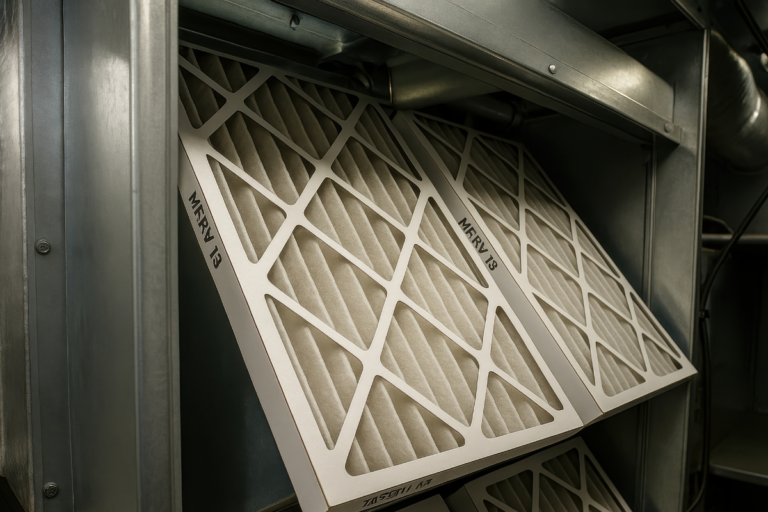
Installing high-efficiency filters or HEPA filters ensures that indoor allergens such as pollen, mold spores, and pet dander are trapped before they circulate through your home. Air purifiers can complement your AC system to further reduce allergen levels. Regular maintenance, including changing air filters, cleaning ducts, and monitoring humidity levels, plays a critical role in maintaining a personal safe haven for your family while minimizing constant exposure to indoor allergens.
Common Indoor Allergens in Southwest Florida
Homeowners in SWFL experience a variety of allergens throughout the year. Understanding the different allergens can help in maintaining indoor air quality:
- Dust Mites: Thrive in warm, humid environments and accumulate in bedding, furniture, and carpets.
- Mold Spores: Found in damp areas, including HVAC drip pans and bathrooms, contributing to mold allergies.
- Pet Dander: Remains airborne in homes with cats, dogs, or other animals.
- Pollen: Tree pollen, grass pollen, weed pollen, and flower pollen enter homes through windows, doors, and even on clothing or pets. Pollen counts fluctuate with windy days and peak allergy season.
- Insect Debris: Tiny fragments from insects can accumulate indoors, especially in humid areas.
Seasonal Allergens and Air Quality
Southwest Florida experiences different allergens at different times of the year, creating what many describe as a never-ending allergy season.
- Spring: Tree pollen allergies peak, and pollen counts rise, contributing to indoor allergens.
- Summer: Grass pollen and weed pollen dominate, while high humidity levels support mold growth and dust mite populations.
- Fall: Weed pollen continues to be prevalent, and fallen leaves can introduce additional allergens indoors.
- Winter Months: Although outdoor pollen levels may be lower, indoor allergens such as dust mites, pet dander, and mold spores remain significant contributors to poor indoor air quality.
Optimizing Your AC System for Allergens
Homeowners can take several steps to reduce allergens indoors and improve indoor air quality:
- Use High-Efficiency Filters: HEPA or MERV-rated filters capture pollen, dust mites, mold spores, and pet dander.
- Change Filters Regularly: Prevent clogged filters from allowing indoor allergens to circulate.
- Schedule Regular Maintenance: Professional HVAC inspections keep your system running efficiently and reduce mold growth in ducts and drip pans.
- Monitor Humidity Levels: Keep humidity between forty and fifty percent to reduce dust mites and mold growth.
- Install Air Purifiers: Whole-home or portable units can complement your AC system to trap additional allergens.
- Seal Ductwork: Properly sealed ducts prevent unfiltered air from circulating indoors.
These steps, combined with a properly maintained AC system, help homeowners create a personal safe haven from constant exposure to indoor allergens while supporting indoor air quality.
Read More: Air Filter vs Air Purifier: Key differences and key benefits
Professional Help for Indoor Air Quality
Your air conditioner and HVAC system are essential tools in controlling indoor allergens. Consulting experts on indoor air quality can reduce persistent symptoms caused by constant exposure, maintain a safe haven indoors, and enjoy long-term relief from indoor allergens.
By taking steps to maintain your AC system, control humidity levels, and filter indoor air effectively, your home becomes a comfortable environment even during Florida’s peak allergy season. Southwest Florida residents can continue to enjoy outdoor activities, warmer temperatures, and the Sunshine State lifestyle without letting indoor allergens compromise comfort and air quality. Contact Dolphin Cooling today to address your indoor air quality concerns.