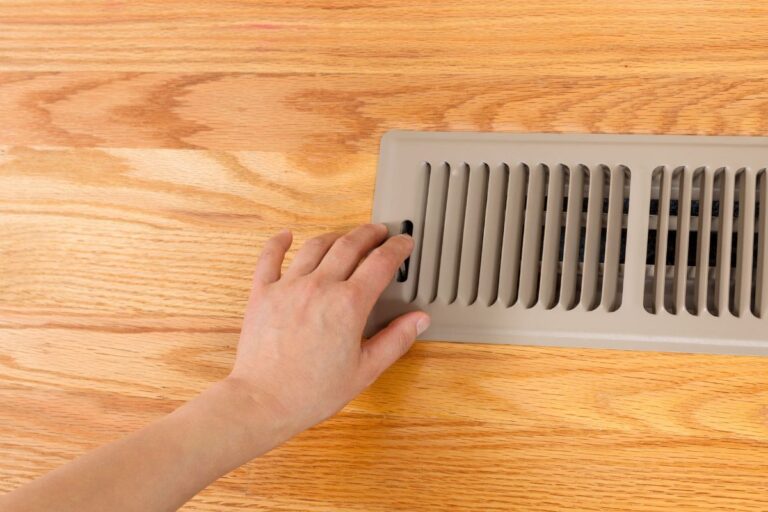

If you’ve ever walked into your home expecting cool air but instead feel barely anything coming out of your vents, you’re not alone. A very common issue homeowners face is “AC airflow weak but unit running.” Your air conditioner may be on, the thermostat is set correctly, and yet the amount of air coming through your AC vents just isn’t enough. This can lead to uneven cooling, higher energy costs, and frustration, especially during the hottest months.
What Does Weak AC Airflow Mean?
Weak AC airflow simply means your HVAC system isn’t pushing enough air through your duct system to properly cool your home. You may notice:
- Low airflow from vents
- Uneven temperatures between rooms
- Warm air or less cold air than expected
- Cold spots in some areas but not others
- Poor airflow even though the AC unit is running
This lack of airflow can impact your system performance, indoor air quality, and overall comfort.
The Most Common Causes of Weak AC Airflow
There are several reasons why your air conditioner might be running but not delivering proper airflow. Here are the most common issues to look out for:
1. Dirty or Clogged Air Filter
A dirty air filter is the most common cause of HVAC airflow problems.
When your filter becomes clogged with dust, pet hair, and debris, it restricts airflow. This leads to:
- Low airflow
- Poor HVAC airflow
- Excessive dust in your home
- Reduced system efficiency
A clogged filter makes it harder for your air handler to pull in enough air through the return vents, which directly impacts how much cool air gets pushed out.
Simple step: Check your filter. If it looks dirty, replace it with a clean filter. Regular filter changes are one of the best ways to maintain good airflow and prevent costly repairs.
2. Blocked or Closed AC Vents
Sometimes the issue isn’t the HVAC unit, it’s your vents. Furniture, rugs, or even closed vents can block airflow and create uneven cooling throughout your home. This can cause:
- Weak airflow issues
- Cold air not reaching certain rooms
- Uneven temperatures
First step: Walk through your home and make sure all AC vents are open and unobstructed.
3. Problems with the Blower Fan or Blower Motor
Your blower fan, or AC blower, is responsible for moving air through your duct system. If there are blower motor issues, you may notice:
- Weak HVAC airflow
- Little to no air coming from vents
- Strange noises from the indoor unit
If the blower fan isn’t working properly, your system won’t circulate enough air, even if the rest of the AC unit is functioning.
This usually requires professional repair from a licensed technician.
4. Leaky or Damaged Ductwork
Your duct system plays a huge role in delivering cool air throughout your home. If you have leaky ducts or air leaks, especially in crawl spaces or attics, you could be losing a significant amount of air before it ever reaches your rooms.
Signs include:
- Poor airflow
- Uneven cooling
- Higher energy bills
- Rooms that never reach the desired room temperature
Leaky ducts reduce system efficiency and make your HVAC unit work harder than necessary.
5. Dirty Coils or Frozen Evaporator Coil
Your air conditioner relies on clean coils to function properly. Over time, dirt buildup can lead to dirty coils or even a frozen evaporator coil.
This can cause:
- Weak AC airflow
- Warm air instead of cold air
- Reduced system performance
- Frozen coil or frozen evaporator coil issues
Frozen coils are often linked to restricted airflow or low refrigerant levels.
This is not a DIY fix. Professional attention is required to safely diagnose and resolve the issue.
6. Refrigerant Issues or Low Refrigerant Levels
Refrigerant is what allows your system to cool the air. If you have refrigerant leaks or low refrigerant levels, your AC system won’t cool effectively.
Symptoms include:
- Warm air blowing from vents
- Weak airflow issues
- Reduced cooling capacity
- Ice forming on refrigerant lines
Refrigerant issues should always be handled by experienced technicians, as they require specialized tools and certification.
7. Dirty Condenser Coils or Outdoor Unit Problems
Your outdoor unit, also called the condenser unit, is responsible for releasing heat from your home. If the condenser coils are dirty or blocked, your system struggles to function efficiently.
This can lead to:
- Poor HVAC airflow
- Reduced energy efficiency
- Higher energy costs
- Strain on the HVAC system
Keeping your outdoor unit clean is an important part of routine maintenance.
8. Faulty Thermostat or Incorrect Settings
Sometimes the issue is simpler than you think. A faulty thermostat or incorrect thermostat settings can affect how your system cycles and distributes air.
Check for:
- Incorrect fan settings
- System set to “on” vs. “auto”
- Inconsistent room temperature readings
A quick adjustment may solve the problem without a service visit.
Why Weak Airflow Shouldn’t Be Ignored
Ignoring weak airflow can lead to bigger problems over time, including:
- Higher energy bills
- Poor indoor air quality
- Increased wear and tear on your HVAC unit
- Reduced lifespan of your AC unit
- Risk of major repairs
What starts as a small airflow issue can quickly turn into costly repairs if left unchecked.
The Best Way to Fix Weak AC Airflow
Here’s a quick breakdown of what you can do:
DIY Checks
- Replace a dirty filter
- Make sure vents are open
- Remove obstructions around return vents
- Check thermostat settings
When to Call for Professional Help
If the problem continues, it’s time for a professional inspection. Professional HVAC technicians can identify deeper issues like:
- Blower motor issues
- Refrigerant leaks
- Frozen evaporator coil
- Leaky ducts
- Air handler problems
A service visit from a licensed technician ensures the problem is diagnosed correctly and fixed efficiently.
Preventing Future HVAC Airflow Issues
The best way to avoid weak AC airflow is through regular maintenance.
Here’s what to stay on top of:
- Routine maintenance visits
- Regular filter changes
- Cleaning condenser coils
- Inspecting air ducts for leaks
- Monitoring system performance
Routine maintenance not only improves airflow but also boosts energy efficiency and extends the lifespan of your AC unit.
When to Schedule a Professional Inspection
If you’re experiencing ongoing weak airflow issues, uneven cooling, or suspect deeper HVAC airflow issues, don’t wait.
A professional inspection can:
- Identify the root cause
- Prevent major repairs
- Improve indoor air quality
- Restore proper airflow
- Give you peace of mind
Many HVAC companies even offer a quick estimate so you know what to expect before committing to repairs.
Fixing Weak AC Airflow for Good
Dealing with AC airflow weak but unit running is a common problem, but it’s one you shouldn’t ignore. Whether it’s a clogged air filter, dirty coils, refrigerant issues, or duct leaks, addressing the issue early can save you from higher energy bills and bigger headaches down the road.
Start with the simple fixes, like replacing your filter and checking your vents. If the problem persists, don’t hesitate to call in professional help. With the right care and attention, your air conditioning system can deliver the cool air, good airflow, and comfort your home deserves. Contact Dolphin Cooling to schedule an appointment for AC inspection and repair.