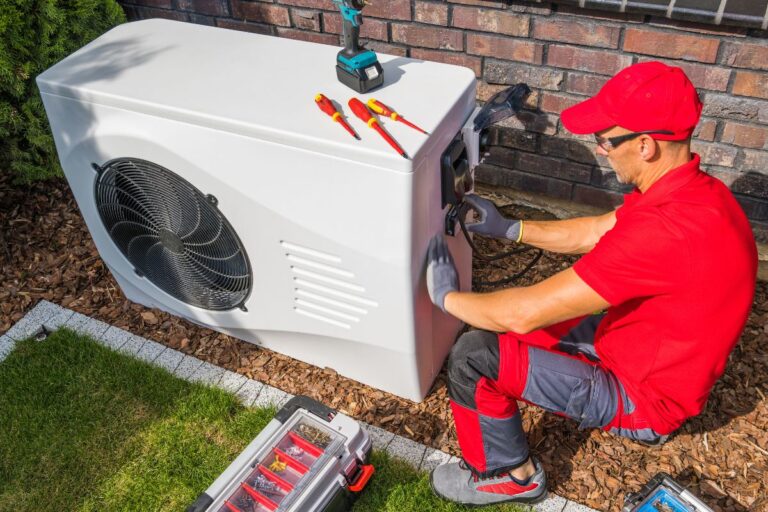

There’s nothing worse than coming home on a hot SWFL day, ready for some cool relief, only to be hit with hot air. But what would cause your AC to just stop working? This is one of the most common AC problems, especially during the peak of summer heat. Your air conditioning system is made up of many essential components, and when one of them fails, it can bring your whole system to a screeching halt.
Let’s walk through the most common causes, possible reasons, and best steps to get your home cool again.
1. Tripped Circuit Breaker or Blown Fuse
The first thing you should check is your electrical panel. A tripped breaker or blown fuse is one of the most common reasons for an air conditioner unit to stop working. This can happen if the power supply is overloaded or there’s an electrical issue.
Next step: Flip the breaker back to the “on” position. If it trips again, you’re likely dealing with a deeper electrical problem, and it’s time to call a professional HVAC technician.
2. Thermostat Issue or Wrong Settings
Before panicking, check your thermostat settings. Make sure it’s set to “cool,” the temperature setting is below the current room temperature, and the batteries (if it uses them) aren’t dead. A thermostat issue might make the system think it doesn’t need to run.
3. Dirty Air Filter or Clogged Return Vent
A dirty air filter or clogged filter restricts airflow, causing the evaporator coil to freeze up and stop cold air from moving through your home. This can eventually cause your cooling system to shut down.
Routine maintenance, like regular cleaning and replacing filters monthly, is the best way to avoid this.
4. Refrigerant Leak or Low Refrigerant Levels
If you notice warm air blowing instead of cool air, a refrigerant leak could be the problem. Your system relies on the right refrigerant levels for effective heat transfer. Low levels may cause ice buildup on the evaporator coil and can damage the compressor, the heart of your air conditioner’s compressor system.
Refrigerant issues should always be handled by HVAC professionals, especially with today’s ozone-safe hydrofluorocarbons.
5. Frozen Evaporator Coil
In extreme cases, especially when airflow is restricted by a dirty filter or blocked return vent, the evaporator coil inside your indoor unit can freeze up. That’s right, ice in your central air conditioner, even on a warm day. The system will shut down to protect itself, leaving you with nothing but warm indoor air.
6. Dirty Condenser Coils or Outdoor Unit Obstructions
The outside AC unit or outdoor condenser unit plays a key role in heat transfer. If the condenser coils are covered in dirt or debris, or someone has been a little too careless with outdoor landscaping near the top of their outdoor unit, you might see reduced efficiency or complete system failure. A garden hose rinse (with the power off!) can help with regular maintenance, but call a professional technician if the coils are very dirty.
7. Fan Motor or Compressor Problems
If your system starts, then quickly shuts down, or if the outside unit is making strange noises, the fan motor or compressor might be in trouble. Compressor failure is a more severe issue and often a sign your unit is aging or wasn’t the right size for your square footage or local climate. These common culprits typically require professional help or even AC repair or replacement.
8. Drain Line Blockage
Some systems shut off automatically if the drain line becomes clogged to prevent water damage. This is a smart feature, but can be frustrating if you don’t know where to look. A professional repair tech can flush the line, or in some cases, you can DIY with a wet/dry vacuum.
Preventing the Next Breakdown
The best way to keep your HVAC system from quitting on the first hot day of summer is to invest in routine maintenance. There are a number of factors that can make your air conditioner stop working, and most of those factors can be prevented with regular AC maintenance. Knowing the common issues and catching them early can save you from costly repairs and sweaty afternoons.
When to Call a Professional
If you’ve checked off this list and still can’t find the problem, or if your central AC is constantly cycling on and off without cooling your home, it’s time to call a professional HVAC technician. From electrical problems to compressor problems, only a licensed expert can safely inspect the different components and pinpoint the real issue.