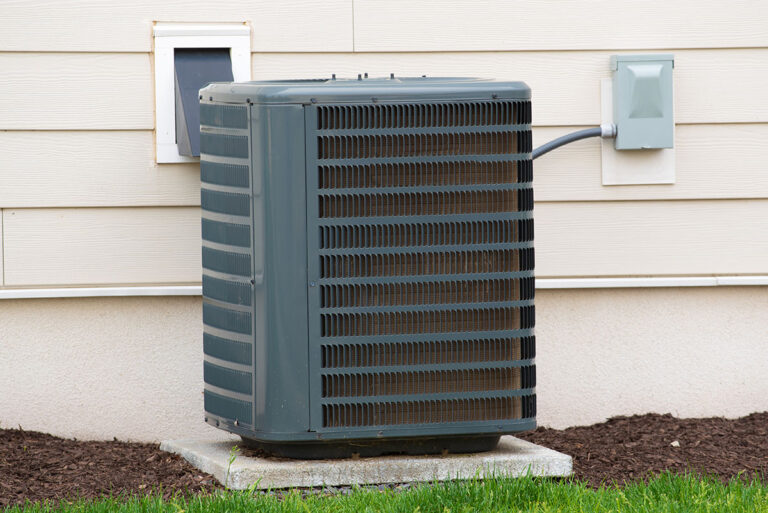
Can I Still Use My AC if it's Leaking Water?
What Causes Water Leaks in an AC Unit?
Here are some of the common causes of water leakage in air conditioners:1. Clogged Drain Line or Condensate Line
A clogged condensate drain line is one of the first things HVAC pros check. Dirt, mold, and debris can block the PVC pipe, causing excess water to back up into the drain pan and eventually overflow. This is especially common in older units or systems that haven’t had regular maintenance.2. Dirty or Clogged Air Filter
A dirty air filter or clogged air filter can block airflow, causing the AC evaporator coil to freeze. When the ice melts, it can overwhelm the drip pan, resulting in leaking air conditioners. Replacing your air filter every 1 to 3 months is the best way to prevent this.3. Broken or Improperly Installed Condensate Pump
If your indoor unit is in a basement or attic, a broken condensate pump might be to blame. This pump is supposed to move water out of the drain pan. If it fails, you could see water dripping or a puddle of water around the unit.4. Frozen Evaporator Coil
A frozen coil, often caused by low refrigerant levels, insufficient refrigerant, or a freon leak, can thaw and flood your condensate pan. This type of ac leak may also be linked to a dirty evaporator coil or refrigerant lines that need inspection.5. Improper Installation
In some cases, improper installation can cause water to leak into the room rather than drain properly outside.6. Float Switch Issues
Some systems have a float switch that shuts the unit off if too much water collects in the pan. If this is malfunctioning, it could allow water to overflow unnoticed.Can You Keep Using It Anyway?
While your air conditioning system might still produce cold air, continuing to run it with an active leak water issue isn’t worth the risk. You might be dealing with minor issues now, but the last thing you want is:- Significant damage to your ceiling, walls, or floors from water damage
- Mold growth due to stagnant water inside your system
- Increased energy use if the cooling system has to work harder
- A complete breakdown that requires a new AC altogether
What to Do If Your Air Conditioner Leaks
The first thing to do when you notice an ac water leak is to turn the system off to prevent further damage. Then try these steps:- Check your air filter: If it’s a dirty filter, replace it.
- Empty the drain pan: Use a dry vacuum to remove water from the drip pan and inspect for clogs.
- Inspect the drain pipe: If your drain pipe or condensate line looks blocked, you might need professional help.
- Call a professional HVAC technician: Whether it’s a freon leak, frozen evaporator coil, or mechanical problem, HVAC professionals have the tools and training to find the source of the leak and fix it safely.
Why Professional Help Matters
While it might be tempting to DIY, the safest and smartest option is to contact a professional air conditioning technician. They can diagnose and repair everything from a condenser coil problem in your outdoor unit to a hidden refrigerant leak. If your central AC system, heat pumps, or window unit is showing signs of trouble, don’t wait, professional attention now can prevent costly damage later. A leaking air conditioner is more than a nuisance; it’s a warning sign. Even if your AC is still pumping out cold air, water leakage can mean bigger problems are on the horizon. Protect your indoor air quality, your home, and your comfort by addressing ac issues before they turn into expensive disasters. Regular checkups and ac repair from trusted HVAC professionals will help keep your system in good shape for years to come. Call Dolphin Cooling for maintenance and repair.The Most Common Failure: The Capacitor
The capacitor is one of the most common parts to fail in an air conditioner unit. This small but mighty component plays a crucial role in starting the blower motor, fan motors, and compressor. Essentially, the capacitor stores and releases electricity to get the motor running and keep it going. Learn more: How Do AC Capacitors Work? When the capacitor fails, you might notice:- Warm air coming from your vents
- The outside unit not running
- Unusual noises or buzzing
- A tripped circuit breaker
Why Capacitors Fail
Capacitors wear out over time due to:- Age of the unit (the older the unit, the higher the failure rate)
- Exposure to excessive heat
- Surges in electrical energy
- Strain on electric motors or fan blades
- General wear from continuous use during Florida’s long cooling seasons
Other Common AC Problems and Failing Parts
While capacitors top the list of most common failures, they’re not the only culprit. Here’s a closer look at other common air conditioner problems:- Dirty air filter or dirty filter: This restricts airflow, causing your HVAC system to work harder, reducing cool air output and increasing energy use.
- Refrigerant leaks: A leaky refrigerant circuit or low refrigerant levels reduce heat transfer, resulting in hot air instead of cold air. In severe cases, it could lead to compressor failure.
- Blower motor or blower fan issues: If these aren’t functioning properly, cool air can’t circulate through your home.
- Evaporator coil and condenser coils: Dirty equipment here limits heat transfer, which means your AC can't cool efficiently.
- Condenser fan motor: Located in the outside unit, this motor is key to releasing heat. If it fails, the outside air can’t be expelled properly.
- Electrical components and electrical system: Bad wiring or electrical problems can cause intermittent shutoffs or safety switch activations.
- Drain line and secondary drain pan issues: Water leaks are a sign that your drainage system might be clogged or malfunctioning.
Preventing Common Failures
The good news? Many of these common issues can be avoided with regular maintenance by a professional HVAC technician. At Dolphin Cooling, our maintenance plans include:- Checking electrical components
- Cleaning condenser coils with a garden hose
- Replacing air filters (yes, even the most expensive filter needs routine replacement!)
- Testing refrigerant lines with high-pressure nitrogen tests
- Inspecting and cleaning the drain line
- Ensuring your capacitor and start/run capacitors are in good shape
When to Consider Unit Replacement
Sometimes, despite your best efforts, your AC is simply past its prime. If you’re experiencing repeated compressor failure, high energy use, or constant capacitor issues, it might be time to explore options of unit replacement. Choosing the right size of the unit and upgrading to newer electrical components can go a long way in restoring home comfort and reducing bills. Learn more: When Should I Replace My HVAC Unit?Call the Pros at Dolphin Cooling
If your AC is struggling or completely down, don’t sweat it. Call the HVAC specialists at Dolphin Cooling. Our professional services include accurate diagnosis, quick repair, and honest recommendations. We’re committed to keeping your air conditioner unit running efficiently, even through the toughest summer heat.1. Tripped Circuit Breaker or Blown Fuse
The first thing you should check is your electrical panel. A tripped breaker or blown fuse is one of the most common reasons for an air conditioner unit to stop working. This can happen if the power supply is overloaded or there’s an electrical issue. Next step: Flip the breaker back to the “on” position. If it trips again, you’re likely dealing with a deeper electrical problem, and it’s time to call a professional HVAC technician.2. Thermostat Issue or Wrong Settings
Before panicking, check your thermostat settings. Make sure it's set to "cool," the temperature setting is below the current room temperature, and the batteries (if it uses them) aren’t dead. A thermostat issue might make the system think it doesn’t need to run.3. Dirty Air Filter or Clogged Return Vent
A dirty air filter or clogged filter restricts airflow, causing the evaporator coil to freeze up and stop cold air from moving through your home. This can eventually cause your cooling system to shut down. Routine maintenance, like regular cleaning and replacing filters monthly, is the best way to avoid this.4. Refrigerant Leak or Low Refrigerant Levels
If you notice warm air blowing instead of cool air, a refrigerant leak could be the problem. Your system relies on the right refrigerant levels for effective heat transfer. Low levels may cause ice buildup on the evaporator coil and can damage the compressor, the heart of your air conditioner’s compressor system. Refrigerant issues should always be handled by HVAC professionals, especially with today’s ozone-safe hydrofluorocarbons.5. Frozen Evaporator Coil
In extreme cases, especially when airflow is restricted by a dirty filter or blocked return vent, the evaporator coil inside your indoor unit can freeze up. That’s right, ice in your central air conditioner, even on a warm day. The system will shut down to protect itself, leaving you with nothing but warm indoor air.6. Dirty Condenser Coils or Outdoor Unit Obstructions
The outside AC unit or outdoor condenser unit plays a key role in heat transfer. If the condenser coils are covered in dirt or debris, or someone has been a little too careless with outdoor landscaping near the top of their outdoor unit, you might see reduced efficiency or complete system failure. A garden hose rinse (with the power off!) can help with regular maintenance, but call a professional technician if the coils are very dirty.7. Fan Motor or Compressor Problems
If your system starts, then quickly shuts down, or if the outside unit is making strange noises, the fan motor or compressor might be in trouble. Compressor failure is a more severe issue and often a sign your unit is aging or wasn’t the right size for your square footage or local climate. These common culprits typically require professional help or even AC repair or replacement.8. Drain Line Blockage
Some systems shut off automatically if the drain line becomes clogged to prevent water damage. This is a smart feature, but can be frustrating if you don’t know where to look. A professional repair tech can flush the line, or in some cases, you can DIY with a wet/dry vacuum.Preventing the Next Breakdown
The best way to keep your HVAC system from quitting on the first hot day of summer is to invest in routine maintenance. There are a number of factors that can make your air conditioner stop working, and most of those factors can be prevented with regular AC maintenance. Knowing the common issues and catching them early can save you from costly repairs and sweaty afternoons.When to Call a Professional
If you've checked off this list and still can't find the problem, or if your central AC is constantly cycling on and off without cooling your home, it’s time to call a professional HVAC technician. From electrical problems to compressor problems, only a licensed expert can safely inspect the different components and pinpoint the real issue.What Is an AC Drain Pan?
Your air conditioning system creates water vapor during the cooling process. As warm air passes over the evaporator coil, it cools and releases water droplets. These droplets drip into the condensate pan (aka AC drip pan), located beneath the air handler. From there, the condensate drain line (usually a white PVC pipe) carries the water out of your home. When everything is working properly, you may only see a little water in the pan. But if the water level starts to rise, or the condensate pan is constantly full, there’s probably a problem with your drainage system.The Most Common Reason: A Clogged Drain Line
The main reason an AC drain pan isn’t draining is a clogged condensate drain line. Dust, dirt, algae, or even mold can build up in the entire drain line, leading to a clogged drain pipe. This is a common problem, especially in humid areas or when the system lacks proper maintenance.Signs of a clogged AC drain line:
- Water leakage around the indoor unit
- A full or overflowing air conditioner’s drip pan
- Musty odors from excess moisture
- Poor indoor air quality
- Unexplained shutdowns of your cooling system
Other Possible Reasons Your AC Drain Pan Isn't Draining
If you’ve ruled out a drain line clog, here are some other potential causes:- Damaged drip pan: Over time, pans can rust or crack, especially older metal ones.
- Dirty air filters: Restricted airflow can cause the evaporator coil to freeze, then thaw and dump too much water at once.
- Low refrigerant levels: This can also freeze the coil, causing further condensation once it melts.
- Malfunctioning condensate pump: If your system uses a condensate drain pump, a failure here can back up excess water.
- Improper slope: The condensate line should be sloped downward. A misalignment can prevent drainage.
Try These Easy Steps First
Before calling in an AC repair service, you can try these simple fixes:- Turn off the unit: Always your first step to avoid further damage.
- Check the drain line: Look for clogs near the opening. Use a wet-dry vacuum to suck out any debris from the outside drain pipe.
- Flush the line: A mix of vinegar and water or hot water can help clear mild clogs.
- Use a garden hose: Gently flush the line (outdoors only) to remove buildup.
- Insert a thin wire brush: Gently push through the drain line to dislodge any gunk.
When to Call a Professional
If you’re still seeing drainage issues, standing water, or signs of mold growth, it’s time for a professional HVAC technician to step in. We can:- Inspect your indoor HVAC unit
- Check for a clogged AC drain line
- Test your condensate pump
- Replace a damaged drip pan
- Address low refrigerant levels
- Perform regular maintenance to avoid bigger issues
Take Immediate Action
Neglecting a clogged condensate drain line or a full air conditioner drip pan can lead to bigger problems, like damaging your air conditioning system, affecting your indoor air quality, or even ruining your floors and walls with water damage. Immediate action and proper maintenance go a long way. Spending time on routine upkeep now saves you from costly repairs later. A non-draining AC drain pan is more than just an annoyance, it’s usually a sign of a clogged drain line or another cooling system malfunction. If you've tried clearing, it's time to bring in the pros. Remember, regular maintenance is always the first step toward long-lasting comfort and peace of mind. Contact Dolphin Cooling today for all your AC needs.Why HVAC Should Be Serviced Every Year
1. Your HVAC System Works Hard All Year Long
In Naples, your air conditioner doesn’t get to rest much. That means your system’s major components, from the evaporator coil to the condenser coils and electrical components, are under constant stress. Without routine maintenance, even minor problems like a dirty filter, clogged drain line, or low refrigerant levels can escalate into major problems or even system failure. By scheduling annual HVAC maintenance, you can make sure your system stays in good shape and runs at peak efficiency throughout the peak seasons.2. Boost Energy Efficiency and Save Money
A well-maintained HVAC system runs more efficiently, which means lower energy consumption and reduced energy costs. Even something as simple as cleaning dirty coils, replacing AC filters, or inspecting electrical wiring can make a huge difference in the efficiency of your air conditioner. Without regular service, your HVAC has to work harder to cool your home, especially during the cooling season, leading to higher energy bills and more wear and tear. In the long run, neglecting maintenance will cost you a lot more money.3. Prevent Costly Repairs and Catch Minor Issues Early
During an HVAC service appointment, professional technicians can spot minor issues before they become costly repairs. For example, a clogged condensate drain can lead to water damage, or a loose electrical connection might cause your system to short out. With preventive maintenance on a regular basis, you reduce the chance of unexpected breakdowns and avoid the stress of emergency calls during peak seasons. The last thing you want is a system failure in the middle of August.4. Improve Indoor Air Quality and Avoid Health Problems
Regular maintenance also plays a role in your health. A dirty HVAC filter, clogged air filters, or mold in the drain line can seriously affect your home’s indoor air quality. Breathing in allergens, mold spores, or dust can lead to health problems, especially for children or people with allergies. A maintenance visit ensures your system is clean, your air filters are replaced, and your home is filled with clean air.5. Extend the Lifespan of Your System
Your HVAC system is a significant investment. Like any investment, it needs to be protected. Regular air conditioner maintenance, including inspection of the heat pump, electrical connections, and thermostat settings, helps you avoid premature system failure and extends the lifespan of your system. Annual HVAC servicing also helps keep your system efficiency high and reduces the need for replacement parts.6. Maintain Your Warranty and Peace of Mind
Most manufacturers require annual services by licensed HVAC professionals to keep your system warranty valid. If you skip regular servicing, you might end up paying out of pocket for necessary repairs that would’ve been covered. On top of that, annual AC maintenance gives you something priceless: peace of mind. You’ll know your system is ready for the season, whether you’re heading into cold weather or the scorching Naples heat.When’s the Best Time to Schedule Maintenance?
The best time to schedule seasonal maintenance is in the spring, before the summer heat kicks in. That way, your system is ready for the cooling season and you avoid long wait times during the busy peak performance months. You can even consider signing up for an annual maintenance plan to lock in scheduled appointments and avoid forgetting.Schedule Your Annual Maintenance
If you’re due for a service call, don’t wait. Regular HVAC tune-ups are one of the best things you can do for the efficiency of your unit, your comfort, and your wallet. From cleaning condenser coils and checking refrigerant levels to inspecting your programmable thermostat and replacing your HVAC filter, our team of professional HVAC technicians can handle it all. Call Dolphin Cooling today to schedule your annual AC service and enjoy a worry-free, cool and comfortable summer.The Rule of Thumb: 20 Degrees Cooler
A general rule of thumb is to set your indoor temperature to be about 20 degrees Fahrenheit cooler than the outside temperature. So, if it’s 95°F outside, you might aim for 75°F inside. However, that degree difference isn’t always achievable or efficient. Your AC unit is working overtime in extreme heat, and trying to push past that 20-degree drop may result in higher utility bills, more energy use, and unnecessary strain on your entire house’s HVAC system.The U.S. Department of Energy’s Recommendation
The U.S. Department of Energy recommends keeping your thermostat setting at 78°F when you're home during the summer. This balance helps maintain comfortable temperatures while reducing your energy bill. If you want to save even more, raise your thermostat a few degrees when you’re not home using a programmable thermostat or a smart thermostat. These tools allow your system to automatically adjust based on your schedule, which reduces energy use without sacrificing your home’s comfort.Helping Your System Work Smarter, Not Harder
Whether you’re using a traditional air conditioner, a heat pump, or a modern HVAC system, how well your system performs depends on maintenance and the environment. Here are a few proactive measures to help your system work at its best:- Change dirty filters regularly: Dirty filters reduce airflow and make your AC less effective.
- Schedule regular maintenance: Clean condenser coils and inspect the evaporator coil.
- Use ceiling fans: They help circulate cool air and allow you to raise the thermostat by a few degrees without sacrificing comfort.
- Close blinds during the hottest part of the day: Prevent hot surfaces and a temperature rise.
- Seal air leaks: Stop outside air temperature from creeping in.
- Check your thermostat’s placement: Avoid putting it near hot weather sources like exterior walls, electrical appliances, or in direct sunlight.
What If My Home Never Feels Cool Enough?
If your home feels warm even though your air conditioning is running nonstop, it could be a sign of:- Air filters clogged with dust
- Leaky duct systems
- An AC system that’s simply outlived its energy efficiency ratio
- Or even an oversized unit, causing uneven room temperature
So, What’s the Best Temperature for My House?
Here’s a simple breakdown for summer days:- At home: 75°F to 78°F for comfort and efficiency
- Away from home: 80°F to 85°F (use your smart thermostat)
- Very hot days: Expect a temperature difference of 15–20°F between inside and outside
- Next time there's a heat wave, don’t try to reach 65°F, it’s not worth the strain on your AC unit
Conclusion
At the end of the day, your comfort level is key. The best way to find your ideal temperature settings is to balance your desired temperature with realistic expectations during hot weather. Remember, your home’s temperature doesn’t need to match the inside of a freezer, it just needs to be a cooler air haven from the outside temperature. If your electric bill is climbing or your AC unit is struggling to keep up, give the Dolphin Cooling team a call. We’ll help you optimize your air conditioning setup, recommend window coverings, and keep your home running efficiently all summer long.When your HVAC system isn’t blowing cool air like it used to or you’re experiencing uneven cooling across different rooms, poor airflow might be the culprit. In fact, weak airflow is a very common HVAC issue that we address here at Dolphin Cooling. But what’s the most common cause of poor airflow in a duct system? Let’s dive into what might be blocking your cooling system from reaching that desired temperature in your Southwest Florida home.
The Most Common Cause of Poor Airflow in a Duct System: A Dirty Air Filter
The dirty air filter is by far the most common cause of weak HVAC airflow. When HVAC filters become clogged with pet dander, dust, pollen, and debris, it restricts the flow of air from your air handler into the ductwork system. This creates a pressure imbalance and increased static pressure, which makes it difficult for your blower fan or fan motor to move enough air through the air ducts.
Not only does a clogged filter hurt your system performance, but it can also lead to:
- Cold spots or warm air in living spaces
- Increased energy bills
- More wear on components like the AC blower, blower motor, or compressor unit
- Poor indoor air quality
The air filter plays a crucial role in maintaining proper airflow and protecting your HVAC unit.
Other Common HVAC Airflow Problems
While a dirty filter is usually the first place to check, several other issues could be contributing to low airflow:
1. Blocked or Closed Return Vents
Your return air vents must be clear and open to allow the correct amount of air to circulate. If furniture or curtains block them, or if they’re closed, you might experience low airflow or even air drafts in certain areas.
2. Leaky Ducts or Air Leaks
Leaky ducts and small openings in the duct system can let your cold air escape before it reaches your rooms, reducing energy efficiency and causing cold spots. This is especially common with older or improperly installed flex duct systems.
3. Blower Fan or Motor Issues
A malfunctioning blower fan or fan motor can't push much air through your HVAC system, resulting in low airflow. This often requires a qualified technician for diagnosis and necessary repairs.
4. Dirty Coils
Your cold evaporator coils can become coated in grime over time. This build-up reduces heat transfer and restricts airflow. Dirty condenser unit coils can also cause system performance issues.
5. Low Refrigerant Levels or Refrigerant Leaks
Without enough refrigerant, your cooling system can’t cool the air properly. This may lead to cold coils, compressor failure, or even complete system breakdown.
6. Poor HVAC Design or Narrow Ducts
If your HVAC design includes narrow ducts or the system isn’t the right size for your home, you may never achieve adequate airflow. Sometimes, a new unit or duct redesign is the best way to improve consistent airflow.
Why Regular Maintenance Matters
Regular maintenance is key to preventing HVAC airflow issues before they start. A routine inspection allows professional HVAC technicians to:
-
Replace dirty filters with the proper MERV rating
-
Inspect for air leaks, flex duct damage, or leaky ducts
-
Clean your blower fan, air handler, and coils
-
Ensure the system has no refrigerant leaks
-
Adjust static pressure and evaluate HVAC design for efficiency
Without proper maintenance, the energy consumption of your heating system or heat pumps can skyrocket, meaning higher energy costs and lower comfort levels.
Call the HVAC Experts in SWFL
At Dolphin Cooling, our team of HVAC experts is ready to solve your air conditioner airflow problems. Whether it's poor airflow, low refrigerant levels, or pressure imbalance in your ductwork system, we’ll find the root cause and restore your home’s comfort quickly.
The best way to avoid future HVAC issues? Schedule air conditioning service with us today. Fill out our contact form or call Dolphin Cooling to speak with a professional HVAC technician today. Let’s make sure your home is getting all the cool air it deserves, efficiently and evenly.
If you're planning to install a new HVAC system or replace your air conditioner, you're probably wondering: How many HVAC quotes should I get? The short answer is at least three. Getting multiple HVAC estimates from different companies is one of the smartest moves you can make when making a big investment in your home or business.
Whether you're dealing with major repairs, a full HVAC replacement, or shopping for a heat pump or smart thermostat for a new home, getting a few quotes from different HVAC contractors can help you make an informed decision and avoid costly mistakes.
Why It’s a Good Idea to Get Multiple HVAC Quotes
1. Learn Real-World Cost
Each quote helps you understand the actual cost of the project, including labor costs, additional work, model numbers, SEER rating, and more. Comparing quotes gives you insight into the total cost, final cost, and whether you’re really getting the best value for your money.
2. Explore Different HVAC Systems and Options
Not every HVAC provider recommends the same type of HVAC system. One might push a low-cost air conditioner, while another might offer a high-efficiency heat pump from a reputable brand. By hearing from different HVAC companies, you’ll get a better sense of the best equipment for your specific needs.
3. Make an Informed Choice on Service Providers
Each HVAC quote is an opportunity to assess customer service, additional services like maintenance plans, and the years of experience a company has in the HVAC industry. These are all important factors in determining the right HVAC contractor for your job.
What to Look For in HVAC Estimates
When comparing quotes from different contractors, it’s important to ask the right questions. A free HVAC estimate or free quote should include:
-
Brand and model numbers of the proposed system
-
SEER rating for energy efficiency
-
Detailed labor costs and cost of labor
-
Any additional fees or additional services
-
Warranty repair coverage and labor warranty
-
Estimated final price and timeline for installation
-
Availability of preventive maintenance or repair services
Don’t just go with the lowest price; look at the quality of the equipment, the quality of the installation, and the company’s reputation for customer service.
Red Flags When Comparing HVAC Quotes
While it's tempting to jump at the lowest bid, this can lead to issues in the long run. Here are a few warning signs to watch for when reviewing HVAC quotes:
-
Vague or verbal quotes with no breakdown of the total cost
-
Quotes missing crucial details like model numbers or labor warranty
-
No mention of factory warranties or extended service plans
-
No documentation on indoor air quality solutions or smart thermostats
-
Pressure to make a decision after the first quote without a second opinion
Choosing the Right HVAC Company
For homeowners and business owners, the best decision isn’t always about the best price, it’s about getting a good deal from the right company that has your best interest in mind.
Whether you need a new HVAC unit, a few repair services, or a full AC installation, working with HVAC professionals who offer transparent pricing, years of experience, and factory warranties is always a good option.
Conclusion
When it comes to installing or replacing your entire HVAC system, don’t settle for the first quote. Getting multiple quotes from different HVAC technicians helps ensure you're getting a fair price, exploring the best equipment, and choosing the right HVAC system for your needs.
At Dolphin Cooling, we offer a free estimate, competitive pricing, and a focus on long-term energy efficiency and peace of mind. Whether you’re a homeowner, home builder, or business owner, we’re here to help you make the best choice for your comfort and your budget. Contact us now.
In the hot summer months of Southwest Florida, your AC unit is more than a luxury—it's a lifeline. But have you ever wondered at what temperature does AC stop working effectively? You're not alone. Let's dive into what really happens when the temperature difference between inside and outside starts to push your cooling system to its limit.
What Temperature Does AC Stop Working?
Yes, even the most efficient central air conditioner or mini split system can struggle when outdoor temperatures rise above a certain point. The good rule of thumb is that your AC can usually cool your home up to 20 degrees below the outside air temperature. So, if it’s 98 degrees Fahrenheit outside, don’t expect to set your thermostat at 68 and get cool air consistently. At higher temperatures—usually above 95 degrees Fahrenheit—your system might seem like it’s blowing warm air instead of cold air. That’s not always a sign of a breakdown, but rather a result of extreme weather conditions pushing your system’s limits.Other Factors That Affect Performance
Sometimes it’s not just about extreme temperatures. Your AC can also stop cooling due to issues like:- Dirty air filter or dirty filter blocking return vents and reducing indoor air quality
- Refrigerant leak affecting the refrigerant level and cooling efficiency
- Dirty evaporator coil or condenser coil slowing down the cooling process
- Faulty smart thermostat or programmable thermostat messing with your temperature setting
- Poor airflow in certain areas of your home due to blocked supply air or closed vents
- Lack of regular maintenance, which shortens the life of your system
How to Help Your AC Beat the Heat
The best way to protect your HVAC investment and maintain comfort is to support your system when hot temperatures hit:- Run ceiling fans to circulate cooler air and reduce energy consumption
- Keep a clean air filter to let your system breathe
- Close blinds and curtains on hot days to reduce heat energy entering your home
- Upgrade to newer models that offer better energy efficiency
- Schedule routine AC maintenance with a qualified HVAC technician
- Use your smart thermostat to automate a balanced temperature setting
- Check for refrigerant leaks and make sure your system has the correct refrigerant level
Why It Matters for Your Wallet
When your AC struggles, it pulls more power, leading to higher utility bills and increased energy costs. Running your system inefficiently during summer temperatures not only kills your energy savings but also wears out your equipment faster. With reasonable efforts, you can drastically improve your system’s performance and energy bill.Conclusion
So, what temperature does an AC stop working? While there’s no exact number, you’ll likely see reduced performance when outdoor temperatures climb above 95–100 degrees Fahrenheit. The best thing you can do is support your air conditioning system with regular maintenance, a clean filter, and smart use of thermostats and ceiling fans. If your home still isn’t staying cool in hot weather, it might be time for an AC repair or system upgrade. Our team of expert HVAC technicians is always ready to help. Contact Dolphin Cooling today for energy-saving solutions tailored for the hot summer months of Southwest Florida.Here in Southwest Florida, we know a thing or two about heat. When the outdoor temperature hits 100 degrees—or even creeps close to it—it’s tempting to crank the thermostat way down. If you’ve experienced this, you might be wondering: How cool should my house be if it’s 100°F outside?
The answer is more technical than you might expect, and it can have a big impact on your energy bills, HVAC system, and indoor comfort.
The 20-Degree Rule: What It Means for Your AC
Most residential air conditioning systems are built to handle a temperature difference of about 20 degrees Fahrenheit between outside air and your indoor temperature. So, if it’s 100°F outside, your AC unit is performing as expected if your home stays around 78–80°F. Trying to push your thermostat setting to 70°F or lower on a 100-degree day puts excessive strain on your mechanical system and rarely results in significantly cooler air.
We’ve seen plenty of systems struggle—or even fail—during extremely hot days due to these unrealistic expectations. That’s why we educate our SWFL customers on the 20-degree rule and how to get the most from their systems without sacrificing comfort.
The Cost of Pushing Your AC Too Hard
Setting your thermostat too low during a heat wave won’t make your home cooler faster, but it will:
-
Increase energy usage
-
Drive up utility bills
-
Cause your HVAC system to run longer than necessary
-
Lead to wear and tear on components like your evaporator coils
-
Reduce energy efficiency and potentially shorten your system’s lifespan
When summer temperatures soar, your system is already working hard to push cool indoor air temperature into your home while fighting off hot air from outside. Add air leaks, dirty filters, or high humidity, and you have the perfect storm for poor performance and sky-high energy costs.
How to Help Your AC Unit Perform Better on 100-Degree Days
Living in Southwest Florida means we deal with sustained high temperatures and muggy days. But with the right steps, your home can stay comfortable, even during extreme temperatures.
Here’s what we recommend:
-
Use ceiling fans to improve air circulation
-
Seal air leaks around windows and doors to keep cool air inside
-
Keep blinds and curtains closed during the hottest parts of the day
-
Replace dirty filters regularly
-
Schedule regular maintenance to keep your system in excellent condition
-
Install a programmable thermostat to optimize energy savings throughout the day
-
Avoid using the oven or dryer during the peak heat of the day
-
Consider shade trees or awnings to reduce heat of the day impact on your home
These steps not only help your system run more efficiently, but they also extend its life and minimize the risk of breakdowns.
What If Your Home Still Feels Too Warm?
If your AC is running but your home’s temperature still won’t drop, it might be time to take a closer look. There could be an issue with the AC size in relation to your square footage, or your heat pump or air conditioner may not be providing enough cooler air to match the outdoor conditions.
Sometimes it’s a matter of uneven cooling, especially in homes with poor duct design or aging systems. We also see problems when a home has an oversized unit, which can cool the space too quickly without removing enough humidity, making your home feel clammy instead of comfortable.
Conclusion
If the outdoor temperature hits 100°F, aim to keep your home’s temperature around 75–78°F. Don’t fight your system—work with it. The right settings, smart habits, and regular maintenance go a long way toward keeping your home cool and your energy costs in check.
If you’re experiencing discomfort despite your AC running nonstop, give our experienced team a call. We’ll help you find a better solution to stay cool through every heat wave Southwest Florida throws your way.