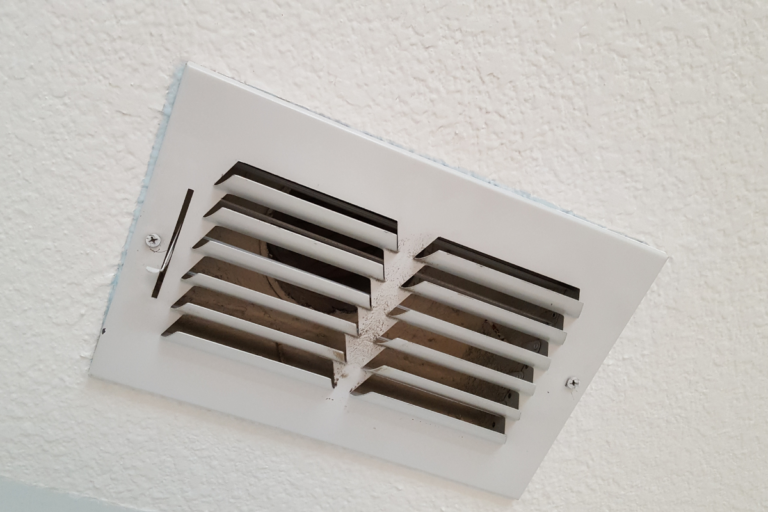
Return Vents vs Supply Vents: What Naples Homeowners Should Know
What Are Supply Vents?
Supply vents, also called supply air vents, are the vents that deliver conditioned air into your living spaces. When your air conditioner or heat pump is running, these vents push out cool air or warm air during central heating that has been treated by your HVAC unit. You’ll usually find supply vents:- On ceilings, walls, or floors
- With adjustable slats to control airflow direction
- Connected to supply ducts that carry air from the air handler
What Are Return Vents?
Return air vents, also called return air grilles or air return grills, do the opposite job. Instead of pushing air out, they pull air back into the system. Here’s what happens:- Air travels from your rooms into the return air ducts
- It passes through an air filter, removing dust and debris
- The cleaned air is sent back to the air handler to be cooled or heated again
- A large central return vent in a hallway or central area
- Or dedicated return vents in multiple rooms for better airflow balance
The AC Return Vent vs Supply Vent Difference (In Simple Terms)
Think of your HVAC system like your lungs:- Supply vents send conditioned air into your home
- Return vents pull air back to be reconditioned
Why Proper Airflow Matters
Your cooling system depends on a balanced flow of air. If something disrupts that balance, you can run into common problems like:- Uneven temperatures between rooms
- Weak airflow from vents
- Pressure imbalances
- Higher energy bills
- Reduced energy efficiency
- Poor indoor air quality
Signs You May Have Airflow Problems
If you’re unsure whether your HVAC vents are working correctly, watch for the following symptoms:- A particular room feels much warmer or cooler than others
- You notice stale air or poor air circulation
- Your system runs constantly without reaching the ideal temperature difference
- You’re seeing spikes in energy costs
- You feel weak airflow from your supply air vents
Common Causes of Vent Issues
There are several reasons your HVAC vents might not be performing at their best.Blocked or Closed Vents
Furniture, rugs, or even closed heat registers can restrict airflow. This is a good idea to check first since it is often the simplest fix.Dirty Air Filter
A clogged air filter restricts how much air moves through your system, reducing system efficiency and airflow.Poor Duct Design
An improperly designed duct system or undersized return ducts can limit the amount of airflow and create pressure imbalances.Lack of Return Vents
Homes without enough cold air return vents or low return vents may struggle to maintain airflow balance.Dirty HVAC Ducts
Dust buildup in HVAC ducts can reduce airflow and affect indoor air quality. In some cases, duct cleaning may be necessary.Why Return Vents Are So Important
It is easy to focus on the vents blowing cool air, but return vents play an equally important role. Without proper return airflow:- Air pressure inside your home becomes unbalanced
- Your system cannot move the right cubic feet of air
- Your air conditioner works harder than it should
- You may experience uneven temperatures and reduced comfort
Tips for Better Airflow and Comfort
Want to improve your home’s HVAC performance? Here are a few practical tips:- Keep all supply vents and return air grilles clear and open
- Replace your air filter regularly
- Make sure each room has enough air
- Do not close too many vents since it can cause pressure imbalances
- Consider adding dedicated return vents if the layout of your home needs it
- Schedule a professional inspection with experienced HVAC contractors
How Your HVAC System Works Together
Your home’s HVAC system is a carefully designed network where every part matters:- The system fan pushes conditioned air through supply ducts
- Air enters your rooms through supply vents
- It then flows back through return air vents
- The cycle repeats in a continuous loop
What Naples Homeowners Should Remember
Understanding the AC return vent vs supply vent difference is the first step toward better comfort and lower energy costs. Supply vents deliver conditioned air, while return vents pull air back into the system, both playing a vital role in maintaining proper airflow and indoor air quality. If you are dealing with uneven temperatures, airflow problems, or higher energy bills, it may be time to take a closer look at your vents and duct system. A quick check or a call to trusted HVAC contractors can make all the difference in creating a more comfortable indoor environment for your Naples home.Why Power Outages Are Hard on Your HVAC System
Your HVAC system relies heavily on stable electrical power to operate properly. When a power outage strikes, especially during severe weather, your system can experience abrupt shutdowns, power loss, and dangerous electrical surges when power returns. These events can cause:- Damage to electrical components
- Burned out circuit boards
- System vulnerabilities that shorten the lifespan of your HVAC equipment
- Permanent damage to your outdoor unit or indoor components
The Biggest Threat Power Surges and Voltage Spikes
When electrical power is restored after an outage, your system can be hit with an electrical surge. These power surges, especially in the event of a power surge following a lightning strike, can send too much power through your system all at once. This can lead to:- Fried circuit boards
- Damaged compressors in your outdoor condenser
- Malfunctioning smart thermostat systems
- Expensive repairs or even full system replacement
How Extended Power Outages Affect Your Home
Extended power outages do not just affect your comfort. They can also impact your home environment and safety. Without air conditioning, indoor temperatures can rise quickly, especially during hot Florida days. This can affect:- Indoor air quality
- Comfort in indoor spaces
- Safety for children, pets, and elderly family members
What Happens When Power Returns
When power returns after a power failure, your HVAC system may try to restart immediately. This sudden demand for electrical power, combined with unstable voltage, can overwhelm the system. Here are the first things that often happen:- The circuit breaker may trip
- The system may short cycle by turning on and off rapidly
- Electrical components may overheat
- Your outdoor unit may struggle to restart
Protect HVAC During Power Outages Smart Prevention Tips
The good news is there are several safety precautions you can take to reduce the risk of damage and avoid costly repairs.Install a Whole Home Surge Protector
A whole home surge protector is one of the best things you can invest in. It protects not just your HVAC system, but all major appliances and home appliances from electrical surges. Some HVAC systems even include built in surge protection, but adding a whole home system offers an extra layer of security.Use a Backup Generator
A backup generator, whether a portable generator or a standby generator powered by natural gas, can keep your HVAC system running during unexpected power disruptions. This helps maintain safe indoor temperatures and protects your indoor environments from extreme heat or humidity.Turn Off Your HVAC System During an Outage
When a power outage strikes, it is a good idea to manually turn off your HVAC unit at the circuit breaker. This prevents the system from being hit with a sudden electrical surge when power returns.Schedule Professional Inspections
After severe weather or extended power outages, scheduling professional inspections with a licensed technician is a smart move. A qualified HVAC contractor, especially one with NATE certified technicians, can check for hidden damage, inspect circuit boards, and ensure your system is safe to run.Upgrade to a Smart Thermostat
A smart thermostat can help manage how your system restarts after a power outage. Some models are designed to delay startup, reducing strain on your HVAC system when electrical power is restored.Common Signs Your HVAC System Was Damaged
After a weather event or power outage, keep an eye out for these warning signs:- System will not turn on
- Weak airflow or reduced cooling system performance
- Strange noises from the outdoor condenser
- Frequent circuit breaker trips
- Inconsistent indoor temperatures
Do Not Ignore the Risks of Severe Weather
In Naples, severe weather and summer storms are part of life. Combined with aging utility lines and increasing strain on the power grid, unexpected power outages are becoming more common. Without proper protection, your HVAC system is at risk every time the power goes out. Taking proactive steps now can prevent:- Expensive repairs
- Fire hazards caused by electrical issues
- Permanent damage to your heating system or air conditioning
Stay Prepared and Protect Your Investment
Your HVAC system is one of the most important and expensive systems in your home. With the frequency of unexpected power outages in Naples, learning how to protect HVAC during power outages is essential. From installing a whole home surge protector to investing in a standby generator, these preventative steps can save you from costly repairs and keep your home comfortable year round. When the next weather event hits, you will be glad your system is ready. Contact Dolphin Cooling today to learn more.Living near the coast comes with incredible perks like ocean views, a relaxing sea breeze, and that laid-back lifestyle so many people love. But there is a downside many coastal homeowners do not think about right away: AC rusting from ocean air. In coastal areas, salty air and constant exposure to ocean air can significantly impact your air conditioning system, leading to faster wear, reduced efficiency, and even expensive repairs if you are not proactive.
Why Coastal Air Is So Tough on AC Units
In coastal environments, the air carries tiny salt particles from the ocean breeze and salt spray. These particles settle on your outdoor AC unit, especially on metal surfaces like condenser coils, aluminum fins, copper tubes, and other metal components. Over time, this creates salt buildup that leads to salt air corrosion. When salt water and oxygen interact with metal parts, they form compounds like iron oxide and aluminum oxide. This is what causes visible rust and corrosion. The outdoor condenser unit is particularly vulnerable because it is constantly exposed to natural elements, including salty sea air, high pressure winds, and the presence of pollutants in coastal air. Even if you live within a mile of the ocean or in nearby areas, your HVAC equipment can still be affected by saltwater exposure. Coastal climates accelerate corrosion much faster than inland environments, which means the lifespan of your HVAC system can be significantly shorter without proper care.The Ripple Effect on Your Cooling System
Saltwater damage does not just affect the appearance of your outdoor unit. It has a ripple effect on the entire cooling system. Corrosion on condenser coils and outdoor coils reduces heat transfer efficiency. When heat transfer is compromised, your system has to work harder to cool your home. This often leads to higher energy bills and unnecessary strain on your HVAC units. Salt buildup can also damage electrical components and electrical connections, increasing the risk of system failure. In some cases, corrosion can even lead to refrigerant leaks, which are one of the most common issues in coastal regions. Without regular maintenance, these problems can escalate quickly, resulting in expensive repairs or even the need for a new system or new air conditioner much sooner than expected.Early Signs of Corrosion to Watch For
Catching the early signs of corrosion can save you a lot of money and stress. Here are some warning signs to look for:- Visible rust or discoloration on metal parts
- A white or chalky residue, also known as salt film, on the outdoor unit
- Reduced cooling performance or uneven temperatures
- Strange noises coming from the outdoor condenser unit
- Signs of wear on aluminum fins or copper tubes
- Frequent system cycling or poor airflow
What You Can Do to Protect Your AC Unit
The good news is that there are several effective ways to protect your air conditioning system from coastal corrosion and extend the lifespan of your system.1. Schedule Regular Maintenance
Regular maintenance is the best way to combat salt air damage. Coastal homeowners should plan for professional maintenance on a regular basis, ideally with quarterly inspections instead of the typical twice-a-year schedule. HVAC professionals can clean the outdoor unit, inspect electrical components, and check for early signs of corrosion before they become major problems.2. Rinse Your Outdoor Unit
One of the simplest and most effective protective treatments is rinsing your outdoor AC unit with fresh water. Salt rinses help remove salt buildup and prevent corrosion from taking hold. Make it a habit to gently rinse the unit on a regular basis, especially after storms or days with heavy salt spray.3. Apply Protective Coatings
Protective coatings and anti-corrosion coatings create a protective layer over metal surfaces, helping shield them from salty air and saltwater exposure. Many newer AC models come with factory-applied corrosion protections, but older systems can benefit from a special coating applied by HVAC professionals. These coatings are designed to protect condenser coils, outdoor coils, and other vulnerable components without restricting good airflow.4. Invest in Corrosion-Resistant Materials
If you are installing a new system, consider options with corrosion-resistant materials like stainless steel or coated aluminum fins. Some heat pumps and HVAC equipment are specifically designed for coastal conditions and offer enhanced durability in coastal environments. This is one of the best ways to extend the lifespan of your HVAC system in a coastal region.5. Use a Breathable Cover
A breathable cover can help protect your outdoor condenser unit from direct salt spray while still allowing proper airflow. Avoid using airtight covers, as they can trap moisture and make corrosion worse.6. Keep Up With Regular Inspections
Regular inspections by a professional technician ensure that your system stays in top shape. HVAC professionals can identify issues like salt film buildup, weakened electrical connections, or early corrosion before they lead to major damage. The best time to schedule service is before peak cooling season, so your system is ready to handle the heat.Protecting Your AC for the Long Haul
Living near the ocean means dealing with environmental factors that can take a toll on your HVAC units, but with proper care, you can protect your investment. While AC rusting from ocean air is a common issue in coastal climates, it does not have to shorten the lifespan of your system. With regular maintenance, protective treatments, and a proactive approach, you can keep your cooling system running efficiently and avoid costly repairs. A little extra attention goes a long way in preserving your air conditioning system, so you can continue enjoying those ocean views without worrying about your AC.What Is a Refrigerant Leak?
Refrigerant is the substance that allows your central AC unit or heat pump to remove heat from your home. When there’s a freon leak (or leak of newer refrigerants), your system can’t properly cool your space.Leaks often occur in:
- Refrigerant lines
- The evaporator coil
- Metal pipes or connection points
Signs You May Have a Refrigerant Leak
Before diving into AC repair costs, it’s helpful to know the warning signs:- Warm air coming from vents
- Reduced airflow or poor cooling
- Ice buildup on the evaporator coil
- Strange noises like hissing or bubbling
- Higher energy bills and reduced energy efficiency
- AC running constantly but not cooling
- System shutting off due to high pressure
Average AC Refrigerant Leak Repair Cost in Florida
The average cost of refrigerant leak repair in Florida typically ranges from:- $200 to $1,500+
Minor Leak Repair
- Cost: $200–$500
- Includes sealing small leaks or minor line repairs
- Often paired with a refrigerant recharge
Refrigerant Recharge / Refill
- Cost: $150–$600
- Depends on the type of refrigerant
- R-22 refrigerant used in older units is significantly more expensive due to federal law and phase-out regulations by the Environmental Protection Agency
Evaporator Coil Repair or Replacement
- Cost: $600–$2,000+
- A damaged evaporator coil is a costly repair and common in an older system
Compressor Replacement
- Cost: $1,200–$3,000+
- If a leak leads to compressor damage, replacing the AC compressor becomes one of the most expensive repairs
What Impacts the Total Cost?
Several factors influence the total costs of fixing a refrigerant leak:Type of Refrigerant
Older systems using R-22 refrigerant or other older refrigerants have much higher AC recharge cost due to limited supply. Newer systems use more environmentally friendly refrigerants.Size and Location of the Leak
A minor leak repair in exposed refrigerant lines is much cheaper than a leak inside the indoor air handlers or coil.Labor Cost
Hiring a licensed HVAC technician is essential, especially since handling refrigerant is regulated by federal law. Labor costs can vary depending on the HVAC repair company and the difficulty of the job.System Age
An older AC or older units often require more repairs and may not be worth fixing. A newer unit is typically more efficient and easier to repair.Replacement Parts
Costs go up if major components need replacement, such as:- Circuit board
- AC capacitor
- Fan motor replacement
- Condensate pump
- Thermostat replacement cost
Service Call Fees and Estimates
Most HVAC companies charge a service call fee ranging from $75 to $150, though some offer free estimates. A standard repair service call includes:- System inspection
- Leak detection
- Recommendations for repair or system replacement
Repair vs. Replacement: What’s the Best Way?
A good general rule is this:- If repair costs exceed 30–50% of the cost of a new AC unit, consider replacing the entire system
- Your system is 10–15+ years old
- You’re using R-22 refrigerant
- You’ve had multiple costly repair issues
- Your system struggles with energy efficiency
Additional AC Repair Costs to Consider
A refrigerant leak doesn’t always happen alone. Many homeowners also face other common AC problems, such as:- Air filters needing replacement
- Faulty AC thermostat
- Issues with circuit breakers
- Clogged condensate drain line
Why You Should Hire a Licensed HVAC Technician
Refrigerant handling isn’t a DIY job. Due to federal law and environmental concerns like protecting the ozone layer, only a licensed HVAC technician can legally perform refrigerant repairs. A qualified technician will:- Identify the type of air and refrigerant used
- Locate and repair leaks safely
- Perform a proper refrigerant refill
- Ensure your system is running efficiently
How to Prevent Refrigerant Leaks
While not all leaks are preventable, regular maintenance can reduce your risk:- Schedule annual inspections with HVAC services
- Replace air filters regularly
- Keep your system clean and free of debris
- Monitor for strange noises or performance changes
Florida-Specific Considerations
In Florida’s hot, humid climate, your central air conditioners and heat pump systems work harder than in most parts of the country. This increases wear and tear on major components like the evaporator coil and AC compressor. Because of this:- Repairs may be more frequent
- Systems may age faster
- Investing in a high-efficiency HVAC system can pay off
Final Thoughts on AC Refrigerant Leak Repair Cost
When it comes to AC refrigerant leak repair cost, there’s no one-size-fits-all answer. The overall cost depends on everything from the size of the leak to the type of system you have. For a quick recap:- Minor repairs can cost a few hundred dollars
- Major repairs like compressor replacement can reach thousands
- Older systems with outdated refrigerant may not be worth fixing
Signs It’s Time for Air Duct Replacement
Not all ductwork problems require immediate replacement, sometimes duct repair is enough. But in many cases, especially in older homes, replacement is the best solution for long-term performance. Here are the most common signs of damage and failing HVAC ductwork:1. Uneven Temperatures and Poor Airflow
If you’re dealing with uneven temperatures, hot spots, or cold spots in different areas of your home, your ducts may not be distributing conditioned air properly. Faulty ductwork, undersized ducts, or air resistance can prevent your system from reaching the desired temperature.2. Rising Energy Costs
Leaky ducts and air leaks force your air handler and cooling system to work harder, increasing energy consumption. This often shows up as higher utility bills or high energy bills month after month.3. Excessive Dust and Dirty Air
If your home constantly feels dusty, your dirty ducts could be pulling in contaminants from crawl spaces or attics. This leads to dirty air, clogged air filters, and reduced efficiency of the system.4. Musty Odors or Mold Growth
Florida humidity makes mold growth a major concern. Mold spores inside old ducts can circulate throughout your living spaces, causing respiratory issues and a noticeable drop in air quality control environmental conditions. Musty odors are a big red flag.5. Pest Infestation
Gaps in older ducts or flex ducts can allow rodents or insects inside, leading to contamination and further duct issues.6. Strange Noises and Air Pressure Problems
Rattling, whistling, or banging sounds often point to improper installation, loose connections, or collapsing duct sections affecting air pressure.When to Replace Ductwork in Florida
Knowing when to replace ductwork in Florida comes down to age, condition, and performance.Age of the Ductwork
Most HVAC ductwork lasts 10–15 years in Florida’s climate. After that, old ducts, especially fiberglass ducts or flex ducts, start to break down.After AC Installation
If you’re upgrading your air conditioner or installing heat pumps, it may be the perfect time to install new ductwork. Pairing a new system with inefficient ducts limits the performance of your HVAC system.After Years of Repairs
If you’ve had repeated duct repair visits, those small fixes add up. In such cases, replacing with a new air duct system is often more cost-effective in the long run.Severe Damage or Poor Installation
Poor installation, crushed ducts, or major air leaks often require full air duct replacement, especially if the system was never designed properly for your home.Why Replacing Ductwork Matters
Replacing old ductwork does more than fix airflow, it transforms your entire home’s comfort and efficiency.Improved Energy Efficiency
New ducts reduce air leaks and improve airflow, helping your system run at maximum efficiency. This leads to real energy savings and lower energy costs.Better Indoor Air Quality
A properly sealed system delivers cleaner air, reduces excessive dust, and helps maintain a healthy home.Consistent Comfort
Say goodbye to inconsistent temperatures and hello to a more comfortable environment across all your living spaces.System Longevity
Fixing ductwork problems reduces strain on your entire system, extending the life of your air handler and cooling system.Repair vs. Replacement: What’s the Best Solution?
Not every issue requires full replacement. Here’s a quick breakdown:- Minor damage: Sealing or partial duct repair
- Leaky ducts or small air leaks: Sealing and insulation upgrades
- Extensive damage, mold, or old ductwork: Full air duct replacement
Materials Matter: Choosing New Ductwork
Modern HVAC companies use a combination of materials depending on your home:- Sheet metal ducts for durability
- Flex ducts for tight spaces
- Improved insulation for Florida climates
The Best Time to Replace Ductwork
In Florida, the best time to replace ducts is typically:- During spring or fall (before peak cooling season)
- During ac installation or major system upgrades
- When remodeling or accessing crawl spaces
Work with Experienced HVAC Professionals
Replacing ductwork isn’t a DIY job. It requires skilled design and installation by experienced technicians or comfort advisors who understand airflow, air pressure, and system sizing. A reputable HVAC company will:- Inspect your full home’s HVAC system
- Identify duct issues and inefficiencies
- Provide a free consultation
- Recommend the best layout for your new air duct system
Making the Smart Move for Your Home’s Comfort
Knowing when to replace ductwork in Florida can save you money, improve comfort, and protect your health. If you’re noticing poor airflow, higher energy bills, musty odors, or signs of faulty ductwork, it may be time to upgrade. Investing in new ductwork ensures better energy efficiency, cleaner air, and a more comfortable home year-round, especially in demanding climates like South Florida. If you suspect your ducts are holding your system back, don’t wait, have a professional HVAC technician take a closer look and help you find the best solution for your home. Contact Dolphin Cooling today.What Does Weak AC Airflow Mean?
Weak AC airflow simply means your HVAC system isn’t pushing enough air through your duct system to properly cool your home. You may notice:- Low airflow from vents
- Uneven temperatures between rooms
- Warm air or less cold air than expected
- Cold spots in some areas but not others
- Poor airflow even though the AC unit is running
The Most Common Causes of Weak AC Airflow
There are several reasons why your air conditioner might be running but not delivering proper airflow. Here are the most common issues to look out for:1. Dirty or Clogged Air Filter
A dirty air filter is the most common cause of HVAC airflow problems. When your filter becomes clogged with dust, pet hair, and debris, it restricts airflow. This leads to:- Low airflow
- Poor HVAC airflow
- Excessive dust in your home
- Reduced system efficiency
2. Blocked or Closed AC Vents
Sometimes the issue isn’t the HVAC unit, it’s your vents. Furniture, rugs, or even closed vents can block airflow and create uneven cooling throughout your home. This can cause:- Weak airflow issues
- Cold air not reaching certain rooms
- Uneven temperatures
3. Problems with the Blower Fan or Blower Motor
Your blower fan, or AC blower, is responsible for moving air through your duct system. If there are blower motor issues, you may notice:- Weak HVAC airflow
- Little to no air coming from vents
- Strange noises from the indoor unit
4. Leaky or Damaged Ductwork
Your duct system plays a huge role in delivering cool air throughout your home. If you have leaky ducts or air leaks, especially in crawl spaces or attics, you could be losing a significant amount of air before it ever reaches your rooms. Signs include:- Poor airflow
- Uneven cooling
- Higher energy bills
- Rooms that never reach the desired room temperature
5. Dirty Coils or Frozen Evaporator Coil
Your air conditioner relies on clean coils to function properly. Over time, dirt buildup can lead to dirty coils or even a frozen evaporator coil. This can cause:- Weak AC airflow
- Warm air instead of cold air
- Reduced system performance
- Frozen coil or frozen evaporator coil issues
6. Refrigerant Issues or Low Refrigerant Levels
Refrigerant is what allows your system to cool the air. If you have refrigerant leaks or low refrigerant levels, your AC system won’t cool effectively. Symptoms include:- Warm air blowing from vents
- Weak airflow issues
- Reduced cooling capacity
- Ice forming on refrigerant lines
7. Dirty Condenser Coils or Outdoor Unit Problems
Your outdoor unit, also called the condenser unit, is responsible for releasing heat from your home. If the condenser coils are dirty or blocked, your system struggles to function efficiently. This can lead to:- Poor HVAC airflow
- Reduced energy efficiency
- Higher energy costs
- Strain on the HVAC system
8. Faulty Thermostat or Incorrect Settings
Sometimes the issue is simpler than you think. A faulty thermostat or incorrect thermostat settings can affect how your system cycles and distributes air. Check for:- Incorrect fan settings
- System set to “on” vs. “auto”
- Inconsistent room temperature readings
Why Weak Airflow Shouldn’t Be Ignored
Ignoring weak airflow can lead to bigger problems over time, including:- Higher energy bills
- Poor indoor air quality
- Increased wear and tear on your HVAC unit
- Reduced lifespan of your AC unit
- Risk of major repairs
The Best Way to Fix Weak AC Airflow
Here’s a quick breakdown of what you can do:DIY Checks
- Replace a dirty filter
- Make sure vents are open
- Remove obstructions around return vents
- Check thermostat settings
When to Call for Professional Help
If the problem continues, it’s time for a professional inspection. Professional HVAC technicians can identify deeper issues like:- Blower motor issues
- Refrigerant leaks
- Frozen evaporator coil
- Leaky ducts
- Air handler problems
Preventing Future HVAC Airflow Issues
The best way to avoid weak AC airflow is through regular maintenance. Here’s what to stay on top of:- Routine maintenance visits
- Regular filter changes
- Cleaning condenser coils
- Inspecting air ducts for leaks
- Monitoring system performance
When to Schedule a Professional Inspection
If you’re experiencing ongoing weak airflow issues, uneven cooling, or suspect deeper HVAC airflow issues, don’t wait. A professional inspection can:- Identify the root cause
- Prevent major repairs
- Improve indoor air quality
- Restore proper airflow
- Give you peace of mind
Fixing Weak AC Airflow for Good
Dealing with AC airflow weak but unit running is a common problem, but it’s one you shouldn’t ignore. Whether it’s a clogged air filter, dirty coils, refrigerant issues, or duct leaks, addressing the issue early can save you from higher energy bills and bigger headaches down the road. Start with the simple fixes, like replacing your filter and checking your vents. If the problem persists, don’t hesitate to call in professional help. With the right care and attention, your air conditioning system can deliver the cool air, good airflow, and comfort your home deserves. Contact Dolphin Cooling to schedule an appointment for AC inspection and repair.Why Humidity Is a Serious Issue in Florida Homes
Florida homes face unique challenges because of the humid climate and the constant amount of moisture in the air. During Florida summers, warm air carries large amounts of water vapor, which easily enters homes through small gaps, crawl spaces, fresh air intakes, and areas with poor ventilation. High humidity levels inside a vacant home can cause:- Growth of mold and mildew growth on clean surfaces
- Musty odors throughout the house
- Damage to organic materials like drywall, wood, and furniture
- Respiratory issues and respiratory problems for occupants
- Structural damage over time
- Reduced air quality
The First Step: Keep Your HVAC System Running
The most effective way to control humidity in Florida homes is to keep your HVAC system running even when the home is empty. Your central air conditioners remove humidity as they cool the air. When humid air passes over the evaporator coil, water vapor condenses on the cold surfaces and drains away, lowering indoor humidity levels. Many property managers make the mistake of turning off the air conditioning entirely to reduce the electric bill. Unfortunately, this often leads to excessive humidity and mold growth. Instead, set the programmable thermostat or smart thermostat to around 78 to 80 degrees. Make sure central AC units remain operational and maintain proper airflow and filtration. This keeps the home’s temperature controlled while still removing the amount of moisture in the air. An added benefit is protecting the AC compressor and keeping residential AC units in good condition instead of letting them sit unused for months.Use a Smart Thermostat With Remote Monitoring
A smart thermostat with remote monitoring is one of the best solutions for vacation homes. These systems allow homeowners or a property manager to monitor indoor humidity levels, the home’s temperature, HVAC system performance, and energy usage. Many smart thermostats also connect to humidity sensors, allowing you to detect a humidity problem before it becomes a severe problem. Remote monitoring gives homeowners peace of mind because you can adjust settings or call for professional help if something looks wrong.Check for Water Leaks and Moisture Sources
Even a small amount of water entering the home can cause a serious humidity issue over time. Common moisture sources include:- Water leaks from plumbing
- Washing machine hoses
- Leaky roofs after heavy rains
- Crawl space moisture
- Poor vapor barriers
- Condensation on cold surfaces
Improve Ventilation and Airflow
Proper ventilation is essential for maintaining healthy indoor humidity levels. Avoid leaving open windows, especially in humid environments. While it may seem like it allows fresh air inside, it actually introduces humid air and increases indoor moisture levels. Instead, focus on improving ventilation in the crawl space, maintaining fresh air intakes, ensuring bathroom and kitchen vents function properly, and sealing gaps where warm air enters the home. Proper ventilation reduces the buildup of excess moisture and helps the HVAC system work more efficiently.Control Moisture in Crawl Spaces
Crawl spaces are a major contributor to humidity problems in Florida homes. If your home has a crawl space, consider installing vapor barriers, sealing vents if recommended, using moisture-absorbing products, and scheduling humidity investigations if problems persist.Without proper moisture control, crawl spaces can send humid air directly into the home and increase indoor humidity levels.Consider Dehumidifiers and Moisture Control Products
In humid areas of Florida, supplemental moisture control may be necessary. Options include whole-home dehumidifiers, portable dehumidifiers, moisture-absorbing products, and humidity sensors for monitoring. These tools help regulate the amount of moisture in the air, especially during extremely humid periods and Florida summers.Maintain Your HVAC System on a Regular Basis
Routine maintenance is critical for humidity control. Your HVAC system should be serviced on a regular basis to ensure central AC units remain in top condition, air filters are replaced, HEPA filter options improve air quality, condensate lines drain properly, and coils remain clean. Professional services help ensure your system continues removing moisture effectively. This is especially important for vacation homes, rental property owners, and commercial buildings that may sit empty for extended periods.Watch for Signs of a Humidity Problem
If humidity levels are rising inside a vacant home, early warning signs often appear first. Watch for musty odors, visible mildew growth, condensation on surfaces, warped wood or flooring, mold on organic materials, and increased moisture levels. In rare cases, humidity issues can escalate into severe problems that require professional help and full mold remediation.Plants and Indoor Moisture Balance
In occupied homes, certain plants like peace lilies can help improve air quality slightly. However, plants also release moisture, so they are generally not recommended for long periods in a vacant home. Instead, focus on controlling humidity through HVAC operation and monitoring systems.Protect Your Florida Vacation Home
Humidity control for vacation homes Florida is essential because Florida’s humidity can quickly turn an empty house into a breeding ground for mold growth and mildew growth. The best approach includes running the air conditioning, installing a smart thermostat, monitoring humidity sensors, checking for water leaks, maintaining HVAC systems regularly, and improving ventilation and crawl space protection. By taking these simple steps, you protect your investment, maintain clean surfaces and good air quality, and keep your home ready for guests at any time. Most importantly, you gain peace of mind knowing your property remains safe even while it sits empty in Florida’s humid climate.Why the Compressor Is So Important
Your air conditioner compressors are responsible for circulating refrigerant through the system, allowing your unit to remove heat from your home and produce cool air. Without a properly functioning compressor, your system simply can’t keep up with Florida’s heat and humidity. The compressor works closely with other parts of your system, including the evaporator coil, air filters, and refrigerant lines. When the compressor unit fails, you might notice:- Warm air coming from vents
- Loud unusual noises from the outdoor unit
- Rising energy bills
- The system running constantly without producing cold air
AC Compressor Replacement Cost Florida: Typical Price Ranges
In Florida, the average cost of replacing a compressor can vary widely depending on the system. For most central air conditioners and heat pumps, the typical price ranges look something like this:- $1,200 – $2,000 for the cost of the compressor itself
- $800 – $2,000 for labor costs and professional installation
Key Factors That Affect AC Compressor Costs
Several key factors influence the AC compressor costs and the cost of your AC repair.Type of Compressor
Different systems use different compressor technology. The type of compressor plays a big role in pricing. Common compressor types include:- Single-stage compressors
- Two-stage compressors
- Variable-speed compressors
- Rotary compressors
Labor Costs and Skilled Labor
The cost of labor is another major factor in AC compressor installation costs. Installing a new AC compressor requires experienced HVAC professionals and skilled labor. Local labor rates vary between HVAC companies, but installation typically includes:- Removing the old compressor
- Installing the new compressor
- Recharging refrigerant
- Testing the entire system
Condition of the AC Unit
The condition of the AC unit also matters. If you have an older system, the compressor may not be the only problem. In such cases, technicians may discover:- Refrigerant leaks
- Failing evaporator coil
- Electrical issues
- Other minor issues turning into major repairs
Warranty Coverage
Before paying out of pocket, it’s always worth checking your warranty coverage. Many systems include:- Parts warranty
- Labor warranty
- Extended warranty coverage
When Compressor Replacement Makes Sense
In many cases, replacing the compressor is the most financial sense for homeowners. A home AC compressor replacement may be the best decision if:- Your unit is under 10 years old
- The rest of the HVAC system is in good shape
- The compressor is still under parts warranty
When a New Air Conditioner Is the Better Option
Sometimes replacing the compressor isn’t the smartest move. If you have older units or an older system, a full system replacement might make more sense in the long run. Reasons include:- Higher maintenance costs
- Reduced energy efficiency
- Increasing repair costs
- Rising energy bills
Preventing Compressor Problems
While compressor failures sometimes happen unexpectedly, regular maintenance can help extend the life of your air conditioner compressors. Preventative steps include:- Changing air filters regularly
- Scheduling routine maintenance with HVAC professionals
- Addressing minor issues early
- Fixing refrigerant leaks promptly
Getting Reliable Service in Naples
If you suspect a failed AC compressor, it’s important to contact a reputable HVAC contractor for a professional diagnosis. Experienced HVAC technicians can evaluate:- The type of air conditioning system you have
- The condition of the AC unit
- Whether repair or full system replacement makes the most financial sense
Is AC Compressor Replacement Worth It?
The AC compressor replacement cost Florida homeowners face can feel overwhelming, but in many situations it restores your HVAC system without the expense of replacing the entire system. With help from experienced HVAC contractors, you can evaluate the typical price ranges, understand the cost of AC repair, and choose the option that delivers the best long-term savings and energy efficiency for your home. Whether you decide to repair the old compressor or invest in a new air conditioner, getting expert advice ensures you’ll stay comfortable in Naples’ hot climate, and keep that cool air flowing all summer long.If you live in Florida, you’ve probably asked yourself at some point, why is my AC sweating and should I be worried about it? In our humid environments, it’s incredibly common to see water droplets on your air ducts, air handler, or even dripping from AC vents during a hot day. While some occasional condensation can be normal, persistent ductwork sweating or moisture buildup is usually a sign of underlying issues within your HVAC system. Let’s break down the most common reasons your air conditioner is “sweating,” what it means for your home, and what you can do about it.
Understanding Condensation in Florida’s Climate
Florida is known for high humidity levels and heavy, moist air. When that humid air comes into contact with a cold surface, condensation forms. Think about a cold glass of water sitting outside on a hot day. The outside of the glass quickly becomes covered in moisture droplets because of the temperature difference between the cold glass and the warm air around it. The same thing happens inside your HVAC system. When cold air travels through your AC ducts and supply ducts, and the outside surface temperature of the ducts is significantly lower than the temperature of the air around them, condensation issues can develop. The dew point of the air plays a major role. When the air temperature drops below the dew point of the air, much water vapor in the air turns into liquid. In humid environments like Florida, the relative humidity is often so high that condensation problems are more likely, especially during a sudden increase in outdoor humidity.Why Is My AC Sweating? The Primary Causes
If you’re noticing AC duct condensation, here are the primary causes and following factors that may be contributing:1. High Humidity Levels
One of the most common reasons for ductwork sweating is simply too much moisture in the air. When high humidity levels combine with cool air inside your AC ductwork, condensation forms quickly. If your HVAC system is not effectively removing excess moisture, your home may develop a persistent humidity issue. This can impact indoor air quality and even lead to mold growth if left unaddressed.2. Poor Insulation on AC Ductwork
Proper insulation is critical for preventing condensation. If your AC ductwork, especially flex ducts or metal ducts, lacks proper insulation or has damaged insulation, the outside surface temperature of the ducts will drop below the surrounding room temperature. This temperature difference allows moisture droplets to form along the ducts. Over time, this moisture buildup can lead to structural damage, wet ceiling spots, or even a visible ceiling leak. Poor insulation in attics, garages, or a cool crawlspace can make the problem worse.3. Duct Leaks and Pressure Leaks
Leaky ducts are another common issue. When there are duct leaks or pressure leaks, warm air or humid air from unconditioned spaces can mix with cold air inside the supply ducts. This mixing creates ideal conditions for AC duct condensation. Leaky ducts also increase energy costs because your air conditioning system must work harder to maintain the desired temperature of the air inside your home.4. Dirty Air Filter or Restricted Airflow
A clogged air filter can restrict airflow through your air handler. When airflow is limited, the evaporator coil can get too cold. That excessive cooling can cause more condensation to develop throughout the system. Regular maintenance, including changing your air filter, goes a long way toward preventing condensation issues and improving overall indoor air quality.5. Improperly Sized HVAC System
If your air conditioner or heat pump is oversized, it may cool the air too quickly without properly removing much moisture. This leaves excess moisture in the air, contributing to sweating ducts and condensation problems. An HVAC professional can evaluate whether your system is properly sized for your home and climate.Signs Your AC Sweating Is a Bigger Problem
While occasional condensation may not be alarming, persistent moisture droplets are not something to ignore. Here are some warning signs that your situation may require professional help:- A musty smell coming from air vents
- Visible mold growth on ducts or near vents
- A wet ceiling below attic ductwork
- A ceiling leak during heavy air conditioning use
- Water damage on drywall or insulation
- Structural damage around duct penetrations
- Noticeable increase in energy costs
Health Risks and Mold Growth
When condensation forms regularly on air ducts, it creates a damp environment that encourages mold growth. Mold spores can circulate through your air vents and air ducts, affecting indoor air quality and potentially leading to health issues. In Florida, high humidity combined with warm air makes mold particularly aggressive. If you notice a musty smell or see visible mold, it’s important to schedule a service call with an HVAC professional right away. Mold growth inside your AC ductwork can pose health risks, especially for children, elderly individuals, or anyone with respiratory conditions.How to Fix Ductwork Sweating
The good news is that in most cases, there is an appropriate solution for AC sweating concerns. The first step is identifying the root cause. Here are some effective solution strategies:Schedule Regular Maintenance
Routine regular maintenance ensures your HVAC system is running efficiently. A technician can:- Inspect your air handler
- Check refrigerant levels
- Clean coils
- Replace dirty air filters
- Inspect supply ducts and return ducts
- Identify duct leaks or pressure leaks
Improve Insulation
Adding proper insulation around metal ducts and flex ducts helps prevent the temperature difference that leads to condensation. Ensuring proper insulation in your attic or crawlspace is equally important.Seal Duct Leaks
Sealing leaky ducts reduces the amount of humid air entering your system. Properly sealed AC ducts improve efficiency and reduce moisture buildup.Address Humidity Directly
If high humidity levels are persistent, a whole-home dehumidifier may be recommended. Exhaust fans in bathrooms and kitchens also help remove moist air from the home. Maintaining balanced air temperature and humidity levels will reduce the likelihood of condensation forms throughout the system.Consider an Energy Audit
An energy audit can identify poor insulation, duct leaks, and other inefficiencies contributing to your humidity issue. Addressing these following factors not only solves sweating ducts but also lowers energy costs.When to Call an HVAC Professional
If you’ve been wondering, why is my AC sweating year after year, especially more than in previous years, it’s time to involve a professional. You should contact an HVAC professional if you notice:- Persistent ductwork sweating
- A sudden increase in condensation
- A wet ceiling or ceiling leak
- Mold growth
- Excess moisture near your air handler
- Unusual increases in utility bills
Preventing Future Condensation Problems
Preventative care goes a long way in Florida’s humid climate. Here are a few long-term strategies:- Keep your air filter clean
- Run exhaust fans when cooking or showering
- Monitor relative humidity indoors
- Keep air conditioning set at a consistent room temperature
- Schedule annual HVAC system inspections
- Make sure insulation and vapor barriers are intact
Final Thoughts
In Florida, AC sweating is a common issue for homeowners dealing with high humidity levels and constant air conditioning use. While occasional condensation can be normal, ongoing moisture droplets on AC ducts, supply ducts, or the air handler signal a humidity issue or insulation problem that needs attention. The key is identifying the primary causes early and taking the first step toward an effective solution. With proper insulation, sealed ductwork, regular maintenance, and professional guidance, you can prevent mold growth, protect your indoor air quality, and avoid costly water damage. If you’re seeing condensation forms repeatedly, noticing a musty smell, or dealing with a wet ceiling, don’t wait. Contact Dolphin Cooling today to schedule a service call. Our team can diagnose the problem, recommend the appropriate solution, and restore comfort to your home, even on the hottest Florida day.First Step: Don’t Panic, Assess Safely
The first thing you should do is check your circuit breaker or electrical breaker to see if your HVAC equipment was tripped due to an instantaneous high voltage surge. Avoid resetting breakers repeatedly, as repeated sudden increases in electrical energy can cause serious damage to sensitive electronic components like the control panel, control boards, and blower motors. If the breaker is fine, the next best way to assess the situation is to contact professional HVAC technicians. AC surge damage after lightning can manifest in unexpected increases in electrical current, compressor failure, or refrigerant leaks that are not immediately obvious. Attempting DIY repairs on expensive components like the AC compressor or AC condenser can lead to major repairs or even entire system replacements.Common Signs of Lightning-Induced Damage
After a lightning strike or even a nearby strike, your HVAC unit may show signs such as:- AC won’t turn on despite the breaker being fine
- Arc marks or burn marks on electrical wiring or control boards
- Compressor damage or unusual noise from AC condenser
- Faulty wiring or electrical components shorting
- Sudden outages affecting multiple electrical appliances
Why Lightning Can Be So Dangerous
Even a direct lightning strike or external power surges from power lines can send a sudden increase of electrical energy through your home’s electrical system, damaging electrical devices, electronic items, and your entire HVAC system. Both internal power surges and external power surges can trigger power surge damage, sometimes invisible until later. Storm season and other time of the year with frequent storms can increase the risk of lightning damage. Nearby strikes can also create unexpected increases in voltage that travel through your electrical circuit, potentially impacting electronic devices, panel-mounted surge protection, and outlet surge suppressors.Understanding the Cost Implications
Lightning-induced AC surge damage after lightning can quickly become expensive if not addressed promptly. Critical components like the control board, AC compressor, and blower motors are some of the most common parts affected and often require professional HVAC technicians to replace. Ignoring electrical power surges or minor signs of damage can lead to major repairs or even full HVAC system replacements.
Insurance coverage can help offset costly repairs, but it’s important to file insurance claims quickly and provide thorough documentation of the initial lightning strike or external power surges. Keep in mind that even internal power surges caused by faulty wiring or electrical appliances can contribute to compressor failure or expensive replacements over time. Taking extra precaution now with panel-mounted surge protection or a whole-home surge protector may save thousands in electrical component repairs down the line.
Steps to Take After Suspected AC Surge Damage
- Turn off your HVAC unit to prevent excess electricity from causing instantaneous damage to the entire unit.
- Check your circuit breaker for tripped electrical breakers or signs of arc marks.
- Contact professional HVAC technicians for a professional inspection of the entire system, including control boards, AC compressor, blower motors, and electrical components.
- Document all damage for insurance claims or lightning strike claims, including photographs of critical components, arc marks, or any faulty wiring.
- Ask about whole-house protection options like whole-house surge protectors, panel-mounted surge protection, or ground rods to minimize future power surge damage.
Preventative Measures for the Future
The best way to protect your HVAC equipment and electronic devices from electrical surges is to invest in surge protection devices. Consider:- Whole-home surge protector or whole-house surge protector
- Outlet surge suppressors for individual electrical appliances
- Installing a lightning protection system with ground rods
- Taking extra precaution during Texas thunderstorms or nearby power outages