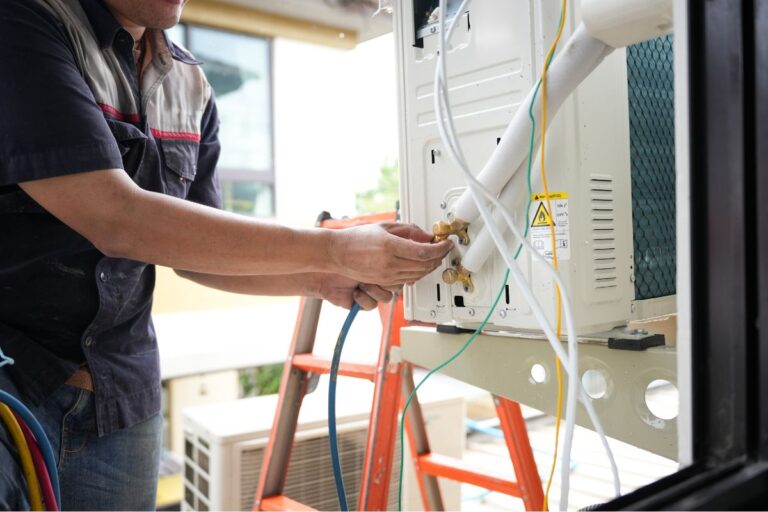
HVAC Tips for Seasonal Residents in Naples, FL
If you own a seasonal property in Southwest Florida, you already know that HVAC for seasonal homes in Florida comes with its own set of challenges. Between Florida’s climate, high humidity levels, hurricane season, and extended periods of vacancy, your air conditioner and entire cooling system need extra attention. Whether your property is in Naples, Port Charlotte, Punta Gorda, or the surrounding areas, this comprehensive guide will help you protect your investment, lower energy costs, and maintain year-round comfort, even when you're away.
Understanding the Unique Challenges of Florida Homes
Florida homeowners face unique challenges that people in cooler climates simply don’t deal with. Florida’s unique climate includes:- Intense heat and humid summers
- High temperatures during peak summer months
- Coastal conditions in coastal areas like Naples
- Frequent power surges during hurricane season
- Florida’s mild winters with occasional cooler months
Why HVAC for Seasonal Homes in Florida Requires a Different Strategy
When we talk about HVAC for seasonal homes in Florida, we’re talking about more than just keeping the air conditioner running. It’s about protecting your entire house while balancing energy savings and indoor comfort. Here’s what makes seasonal homes different:- The cooling system runs constantly in the Florida heat.
- Indoor temperatures must be managed even when the house is empty.
- High humidity levels increase the risk of mold growth.
- Outdoor units are exposed to salt air and coastal conditions.
- AC units sit idle for months during cooler temperatures.
Set the Right Thermostat Setting When You’re Away
One of the most common questions Florida homeowners ask is: “What’s the right temperature to leave my home during the Florida summer?” A smart thermostat is one of the best HVAC solutions for seasonal residents. It allows you to:- Monitor indoor temperatures remotely
- Adjust the thermostat setting during extreme high temperatures
- Track energy bills and energy usage
- Get alerts for power surges or system failures
Don’t Skip Regular Maintenance
Routine maintenance is critical for HVAC for seasonal homes in Florida. Before you leave for the season, and again when you return, schedule services with an experienced technician for a professional tune-up. Professional HVAC maintenance should include:- Inspecting the electric air handler
- Checking refrigerant levels
- Cleaning the outdoor unit
- Replacing or inspecting the air filter
- Inspecting ductwork and ductless systems
- Testing heating systems and air-source heat pumps
Control Humidity to Prevent Mold Growth
In a warm climate like Florida, humidity control is just as important as cooling. During humid summers and the peak of Florida summer, high humidity levels can cause:- Mold growth
- Musty odors
- Warped wood floors
- Poor indoor air quality
- A whole-home dehumidifier
- Ductless mini-split systems for individual rooms
- Upgrading to a new system with higher SEER ratings
Evaluate Whether You Have the Right HVAC System
Not all Florida homes are built the same. Larger homes, older homes, and properties near coastal areas have different needs. The right HVAC system for seasonal residents may include:- Central AC systems for the entire house
- Air-source heat pumps for comfortable year-round operation
- Ductless mini-split systems for room-by-room control
- Systems with higher SEER ratings for energy savings
Protect Your Outdoor Unit in Coastal Conditions
Naples and surrounding coastal areas expose your outdoor unit to salt air, debris, and storm damage, especially during hurricane season. Before leaving for the season:- Clear debris around the outdoor unit
- Have coils professionally cleaned
- Install surge protection to guard against power surges
- Ensure the system is securely mounted
Plan Around the Best Times for Service
The best times to schedule services are:- Early spring before the intense heat arrives
- Fall during cooler months
- Before and after an extended period away
Lower Energy Bills While You’re Away
Energy costs can add up quickly in Florida’s climate. To reduce energy bills while maintaining indoor comfort:- Use a smart thermostat
- Replace your air filter regularly
- Seal windows and doors
- Schedule professional maintenance
- Upgrade to higher SEER ratings if replacing a system
Peace of Mind for Seasonal Residents
At the end of the day, HVAC for seasonal homes in Florida is about peace of mind. You want to lock the door knowing your home HVAC systems are prepared for Florida heat, humid climate conditions, and whatever hurricane season may bring. With proper maintenance, seasonal tune-ups, and the right HVAC system, you can return to:- Comfortable year-round indoor temperatures
- Healthy indoor air quality
- A cooling system in top condition
- No surprises or costly repairs
Why Ductwork Matters in Florida Homes
In Florida’s hot, humid climate, your cooling system works overtime. Your air conditioner, heat pumps, or new HVAC system can only perform as well as the duct system delivering that cool air throughout your home. Cracked, leaking, or poorly designed HVAC ductwork leads to energy loss, uneven temperatures, and poor indoor air quality. Many Florida homes, especially an older home or old house, still rely on old ductwork that was never designed for modern efficiency standards or today’s higher cooling demands.Average Cost to Replace Ductwork in Florida
So, what’s the average cost? The short answer: it depends. For a typical single-family home, the air duct replacement cost in Florida generally ranges from $3,000 to $10,000, with some larger homes or complex systems exceeding that range. The total cost depends on multiple key factors, including:- Square footage and home size
- Total linear feet of ductwork
- Type of ductwork used
- Labor costs and local rates
- Accessibility of attics or crawl spaces
- Whether it’s a full replacement or partial replacement
Cost Per Linear Foot: What That Really Means
Many HVAC companies estimate ductwork costs by the linear foot. On average, ductwork installation cost ranges from $20 to $50 per linear foot, depending on duct material, duct size, and installation difficulty. Homes with a larger sq ft footprint or complex layouts often require a greater total linear feet of ductwork, which increases the overall cost.Types of Ductwork and Material Costs
One of the biggest cost variables is the type of ductwork and material choices.Flexible Ducts
- Lower initial cost
- Easier to install in tight spaces
- Common in Florida attics
- Shorter lifespan than metal
- More prone to sagging and airflow issues
Sheet Metal Ducts
- Includes sheet metal ducts and sheet metal ductwork
- Higher upfront cost
- Better for proper airflow
- Long-lasting and durable
- Ideal for homeowners focused on long-term savings
How Home Size Impacts the Final Price
The size of your home plays a huge role in the final cost. A 1,200 sq ft home will naturally cost less than a 3,000 sq ft home. Factors tied to home’s size include:- Number of ducts
- Size of the ducts
- Length of each duct run
- Number of vents and returns
Labor Costs and Installation Complexity
In Florida, labor costs make up a large portion of duct replacement costs. Experienced HVAC technicians and HVAC professionals bring valuable field experience and extensive experience, which is critical for proper installation. Homes with:- Tight attics
- Narrow crawl spaces
- Older construction
- Complex layouts
Old Ducts vs. New Ducts: Is Replacement Worth It?
If your home has old ducts, you may be losing up to 30% of your cooled air due to leaks, poor connections, or collapsed lines. This energy loss forces your HVAC unit to work harder, driving up energy bills. Replacing old ductwork with a new ductwork system can:- Improve energy efficiency
- Restore proper airflow
- Reduce hot and cold spots
- Improve cool air delivery
- Support a new HVAC system or HVAC replacement
Additional Costs to Watch For
Beyond basic installation, additional costs may include:- Removal and disposal of old ducts
- Modifications to support a new HVAC system
- Repairs to ceilings or walls
- Upgrades required by local building codes
- Sealing, insulation, or balancing for airflow
DIY Duct Replacement: Is It Ever a Good Idea?
While DIY duct replacement might sound appealing, it’s rarely recommended. Improper installation can lead to:- Poor airflow
- Reduced system lifespan
- Failed inspections
- Voided equipment warranties
Repair vs. Full Replacement
Sometimes duct repair is enough. Small leaks or disconnected sections can be sealed or repaired at a lower initial cost. However, if your ducts are:- Over 15–20 years old
- Poorly sized
- Made from deteriorating materials
How to Get a Fair Price
To make sure you’re paying a fair price, consider these steps:- Get multiple quotes from reputable HVAC companies
- Confirm experience with Florida homes
- Verify licensing and insurance
- Ask about warranties and timelines
The Good News for Florida Homeowners
The good news? While the upfront cost of replacing ductwork can feel high, many homeowners see long-term savings through lower energy bills, fewer repairs, and better comfort. When installed correctly, new ducts can last decades and significantly improve your home’s performance.Consulting the Professionals
The cost to replace ductwork in Florida depends on many most common factors, from home size and materials to labor and layout. While it’s a significant investment, it’s often one that pays off in comfort, efficiency, and peace of mind. If your home struggles with uneven temperatures, rising energy bills, or aging HVAC components, replacing your ductwork may be the smartest upgrade you make this year. A trusted HVAC company can help you make the best decision for you and your home. Contact Dolphin Cooling to schedule an appointment today.Start the Year With Peak Performance and System Efficiency
After months of heavy use during the intense cooling season, your system needs attention. Annual HVAC maintenance helps restore peak performance and improves overall system efficiency. During routine maintenance, a licensed HVAC technician checks critical components like the blower motor, evaporator coil, condenser coils, refrigerant levels, electrical components, and electrical connections. Dirty coils, a dirty air filter, or loose wiring may seem like small issues, but they can significantly impact performance. Proper airflow, clean filters, and a well-tuned system mean:- More consistent temperature throughout your home
- Better indoor air quality
- Less energy wasted
- An efficient HVAC system that runs the way it was designed to
Lower Energy Bills and Reduce Energy Consumption
One of the biggest reasons homeowners prioritize HVAC maintenance in the New Year is energy savings. A neglected system has to work harder to produce cool air, leading to higher energy bills and increased energy costs. Common maintenance issues that increase energy consumption include:- Dirty air filters or clogged HVAC filters
- Dirty coils on the indoor unit or system’s outdoor unit
- Air leaks in the air duct system
- Blocked air vents or unclean air vents
- Improper refrigerant levels
Catch Small Problems Before They Turn Into Costly Repairs
One of the most valuable benefits of preventative maintenance is catching small problems early. During maintenance visits, professional technicians look for warning signs like:- Refrigerant leaks
- Electrical issues or failing electrical components
- Worn belts or failing blower motors
- Dirty coils that restrict airflow
- Loose electrical connections
Improve Indoor Air Quality for a Healthier Home
Your HVAC system directly impacts your home’s indoor air quality. Dirty air filters, dusty air ducts, and dirty coils can circulate allergens, dust, and even mold spores throughout your home. Annual maintenance includes:- Replacing or cleaning air filters
- Checking air ducts and air vents
- Cleaning the evaporator coil and condenser coils
- Ensuring proper airflow
Prepare for Both Heating and Cooling Seasons
The New Year is the perfect time of year to prepare your system for whatever comes next. Seasonal maintenance ensures your heating system is ready for cold snaps and your air conditioner is prepared before hot summer months arrive. Seasonal maintenance may include:- Testing the heating system before winter months
- Checking the cooling system before heat waves hit
- Clearing debris from the system’s outdoor unit
- Inspecting the indoor unit for wear and tear
Extend the Life of Your HVAC Unit
HVAC systems are a major investment. With proper maintenance, many systems last years longer than neglected ones. Regular HVAC maintenance reduces wear on:- Blower motors
- Electrical components
- Refrigerant lines
- Coils and compressors
Enjoy Peace of Mind With an HVAC Maintenance Plan
In order to keep your ac system running reliably and efficiently regular maintenance is required. We offer several AC service & maintenance plans so you can select the right plan for you. Benefits of an HVAC service contract often include:- Flat fee pricing
- Scheduled maintenance visits
- Reduced HVAC maintenance costs
- Faster service during peak season
- Better customer service
Reduce Emergency Calls and Peak Season Stress
There’s nothing worse than your central AC failing during a heat wave. Regular HVAC maintenance reduces the likelihood of:- Strange noises
- Unusual noises
- Unusual odors
- Sudden system shutdowns
- Emergency HVAC repair calls
Ensure Electrical Safety and System Reliability
HVAC systems rely on complex electrical systems. Loose electrical connections, worn wiring, or failing electrical components can lead to system failure, or worse, safety hazards. During maintenance, an HVAC technician checks:- Electrical connections
- Voltage and current
- Safety controls
- Smart thermostat or programmable thermostat communication
Learn Simple DIY Maintenance (and What to Leave to Pros)
While professional maintenance is essential, there are also types of HVAC maintenance homeowners can handle between visits. Simple DIY maintenance includes:- Replacing a dirty air filter
- Clearing debris from around the outdoor unit
- Keeping air vents clean and unobstructed
- Checking for visible air leaks
Better Comfort Through Intelligent Service and Modern Controls
Modern systems benefit from intelligent service solutions like smart thermostats that optimize comfort and energy savings. During annual maintenance, technicians can:- Calibrate your smart thermostat
- Check programmable thermostat settings
- Optimize system efficiency for your lifestyle
Make HVAC Maintenance a New Year Priority
When it comes to home comfort, regular HVAC maintenance isn’t optional, it’s essential. From lower energy bills and better indoor air quality to fewer repairs and greater peace of mind, the benefits are hard to ignore. Prioritizing annual HVAC maintenance at the start of the year helps ensure proper HVAC maintenance, fewer surprises, and an efficient HVAC system you can rely on through every season. If you’re ready to protect your investment, improve comfort, and start the year off right, scheduling professional HVAC maintenance is one resolution you won’t regret. For more information, be sure to review our HVAC services and maintenance plans to learn how we can help.Do Ceiling Fans Keep House Cooler or Just Feel Cooler?
Ceiling fans don’t change the temperature of the air itself. Instead, they cool people, not rooms. This happens through the wind chill effect (also called the wind-chill effect), which helps evaporate moisture from your skin and disperse body heat. So while the room temperature or air temperature stays the same, the room feel changes dramatically. That’s why you can raise your thermostat setting and still feel comfortable, sometimes by as much as 4 degrees, without touching your central AC or split unit. That difference alone can save much money on energy costs over a long time.How Ceiling Fans Improve Air Circulation
One of the biggest benefits of ceiling fans is air circulation. As the ceiling fan blades rotate, they create continuous air movement and air motion that keeps cool air from settling in one spot and warm air from lingering near the ceiling. This helps:- Push cooler air down into living spaces
- Prevent hot air from stagnating
- Reduce temperature differences between rooms
- Improve the overall space feel of your home
Ceiling Fans + Air Conditioning = Maximum Efficiency
Ceiling fans are a great way to support your air conditioning system, not replace it. When used together properly, they allow your hvac system to work less while maintaining a comfortable environment. Here’s how:- Fans help distribute cool air more evenly
- Your air conditioner cycles less often
- Lower energy consumption overall
- Reduced wear on window ACs, split units, or central AC
The Importance of Fan Direction (Yes, It Matters)
The direction of your ceiling fan plays a huge role in how effective it is, and it all depends on the season.Summer Direction (Warm Days)
During warm days, your fan should rotate counterclockwise at a low speed to medium or high speed. This creates a cooling breeze that blows directly downward, producing that familiar cool breeze and cooling effect. This is often called the summer direction, and it’s the only way to get the strongest wind-chill effect.Winter Direction (Colder Months)
In colder months, switch the fan’s direction to clockwise at the lowest speed. This creates a gentle updraft that pulls cold air up and pushes warmer air down along the walls, without creating a draft. This helps:- Reduce heat loss
- Improve heating efficiency
- Lower heating costs
- Support a heat pump or heating system
Speed Settings: Faster Isn’t Always Better
While high speed is great for warm days, it’s not always the most efficient fan setting.- High speed: Best for direct cooling when the room is occupied
- Low speed: Ideal for maintaining airflow without excess energy use
- Lowest speed: Perfect for winter circulation
Energy Savings and Energy Efficiency Explained
Ceiling fans use far less electricity than an air conditioner. While an AC can significantly increase energy bills, a fan uses a small amount of energy in comparison. Benefits include:- Lower overall energy usage
- Reduced energy bills
- Less strain on your HVAC system
- Significant energy savings over time
Ceiling Fans vs Other Cooling Options
While ceiling fans are a great way to improve comfort, they’re not the only option.Other air movement solutions:
- Floor fans
- Window fans
- Whole-house fans
- Window ACs
Special Situations That Affect Performance
Ceiling fans work best when:- Windows are closed during peak heat
- Direct sunlight is minimized
- Cool air is already present
- The room isn’t fighting hot outdoor air
Maintenance Matters More Than You Think
For a fan to work efficiently over a long time, regular maintenance is key:- Clean dust from blades
- Check blade balance
- Inspect the fan motor
- Ensure proper mounting
Staying Cool and Comfortable
So, do ceiling fans keep house cooler? Not technically, but they absolutely make your home feel cooler, more comfortable, and more energy-efficient when used correctly. They’re a great way to reduce reliance on air conditioning, lower energy consumption, and improve your home feel year-round. When paired with the right thermostat setting, proper fan direction, and smart usage habits, ceiling fans can help cool people, control energy costs, and create a nice breeze that makes every room more enjoyable. In short, they may not change the temperature of a room, but they can change everything about how it feels.What Happens to Your AC During Extreme Heat?
When outside temperature and outdoor temperature climb into the triple digits, your cooling system is working at its fullest extent. On extremely hot days with sustained high temperature, your AC may:- AC run longer than usual
- Produce slightly less cool air during the hottest time of day
- Struggle to reach a much lower temperature indoors
Normal vs. Not Normal on a 100-Degree Day
What’s Normal
- Your system runs continuously during hot summer days
- Indoor temps hover slightly above your set temperature
- Energy use and energy consumption increase
- Utility companies report higher regional energy costs
What’s Not Normal
- Warm or hot air blowing from air vents
- Ice on evaporator coils
- Rising indoor humidity levels
- Sudden spikes in cooling costs or utility costs
- Rooms like the living room never reaching a desired indoor temperature
Why Your AC Might Struggle in Extreme Conditions
Several factors determine whether your AC can keep up during extreme temperatures:1. Dirty Filters & Coils
Dirty air filters, a dirty filter, or dirty coils restrict airflow and trap heat. This reduces energy efficiency and forces the system to use much energy to do less cooling. Clean filters regularly, especially during summer months.2. Low Refrigerant Levels
A refrigerant leak or low refrigerant levels prevent the system from absorbing heat properly, leading to weak cold air and higher energy costs.3. Poor Insulation
Poor insulation, thin attic barriers, even thin sheets of insulation, or inadequate attic insulation allow outside air to invade your living space. Improving your home’s insulation helps maintain indoor air comfort and supports energy savings.4. AC Size Problems
An oversized unit may short cycle and fail to control humidity, while a system that’s too small, or not the right size of your AC unit, can’t keep up in extreme conditions. Bigger isn’t always better. Larger units don’t guarantee comfort.5. Outdoor Unit Issues
A dirty or blocked outdoor condenser coil reduces heat release, especially when the outside air is already hotThermostat Settings That Actually Work
The best temperature during a 100-degree day is typically 75–78°F. Trying to force a much lower temperature can add much strain to your heat pump or AC and spike energy bills. Smart tips:- Use a programmable thermostat
- Adjust thermostat settings based on time of day
- Avoid drastic changes to the set temperature
Ways to Help Your AC Keep Up
Here’s the best way to support your AC during hot summer days:- Use fans and ceiling fans to circulate air
- Close blinds and seal doors
- Keep air vents clear
- Schedule regular maintenance and AC maintenance
- Upgrade to systems with variable-speed compressors
- Improve insulation to maintain a closed loop of cool air
Health, Cost & Environmental Considerations
An overworked system increases:- Health risks due to high humidity and poor air quality
- Utility bills and long-term energy costs
- Environmental impact from excessive energy consumption
Why Naples Homes Are Different Than Other Regions
Naples homes deal with extreme heat and humidity. High degree days, intense sun, and moisture mean your AC must do more than just cool, it must dehumidify effectively to keep your home cool.When to Call a Professional
If your AC can’t keep up even after basic fixes, it’s time for a pro. Our AC team evaluates:- System sizing
- Refrigerant levels
- Insulation quality
- Airflow and coil condition
- Overall customer satisfaction and performance
Staying Cool When Summer Pushes Your AC to the Limit
When your system is properly sized, well maintained, and paired with good insulation and smart thermostat habits, it can handle even the most extreme temperatures without driving up energy costs or stressing your equipment. If your home still won’t stay comfortable during hot summer days, it’s a sign something needs attention. A professional inspection can uncover hidden issues and help your cooling system work efficiently, reliably, and comfortably through the toughest summer months. Call the experts at Dolphin Cooling today to reduce cooling costs, improve comfort, and make sure your system is ready for Florida’s extreme heat, all summer long.The Basics: How the 3-Minute Rule Works
The 3-minute rule means that after your AC turns off, whether due to thermostat settings, a power interruption, or normal ac cycles, it should wait about three minutes before turning back on. Most new AC units will have a built in three-minute delay, but you also need to wait three minutes if you're restarting the system yourself. This system stabilization time allows:- Refrigerant pressure to balance
- Mechanical components to slow down safely
- Electrical components to reset
- The outdoor unit and indoor units to prepare for the next ac run
Why the 3 Minute Rule Matters for Your HVAC System
Ignoring the 3-minute rule can lead to short cycles, when your AC starts and stops too frequently. Short cycling causes:- Increased energy consumption and energy use
- Inefficient operation
- Premature wear on compressors and motors
- Higher risk of mechanical problems
- Reduced system’s efficiency
- Uneven indoor temperature and lower comfort level
Energy Efficiency, Energy Costs, and Your Comfort
According to guidance often referenced by the U.S. Department of Energy, frequent starts and stops increase energy costs and strain your cooling system. When your system can run at optimal speeds for longer, steadier minute cycles, it produces cool air more efficiently and maintains a consistent temperature, even in high humidity or extreme weather. Breaking the rule may lead to:- Rising energy bills
- Less effective cooling modes
- Trouble reaching your desired temperature
- Warm spots and hot air inside the home
Common Issues That Can Trigger Short Cycling
Several issues can cause your AC to restart too quickly and ignore the 3-minute rule, including:1. Dirty Air Filters
A dirty air filter or dirty filters restrict airflow, forcing your AC to shut down early. This impacts indoor air quality and can cause short cycles.2. Refrigerant Problems
Low refrigerant levels, refrigerant leaks, or incorrect refrigerant pressure (including on the high temperature side of cascade system in specialized setups) can cause false shutdowns and restarts.3. Thermostat Issues
Poor placement, outdated controls, or false readings from temp sensors can confuse the system about the actual ambient temperature.4. Oversized Units
Oversized units cool too quickly, especially in single rooms or smaller homes, causing rapid on/off cycles.5. Electrical or Mechanical Damage
Visible damage, worn mechanical components, or failing condenser coils can interfere with normal operation.Does the 3 Minute Rule Apply to All AC Types?
Yes, with some unique challenges depending on the system:- Central air conditioner systems rely heavily on proper delays
- Split-system air conditioners and single-split systems use electronic delays
- Portable AC units may cycle more frequently but still benefit from short delays
- Older models may not enforce the rule automatically
Best Practices to Protect Your Air Conditioner
To keep your system in top condition, follow these best practices:- Change air filters regularly
- Schedule annual inspections and regular maintenance
- Maintain proper thermostat settings
- Ensure proper insulation to reduce load
- Address significant changes in performance early
- Avoid manual restarts during power outages
- Trust expert AC installation for replacements
When to Call HVAC Professionals
If your AC's built-in three minute rule is malfunctioning or you've unknowingly broken the three minute rule in the past, it’s time to contact HVAC professionals. Certified HVAC technicians and HVAC experts use approved test procedures, understand CFR Part guidelines where applicable, and can quickly diagnose:- Air conditioning repair needs
- Refrigerant and pressure issues
- Failing sensors or controls
- System sizing problems
The Bottom Line
The 3-minute rule may seem simple, but it plays a significant role in protecting your AC, lowering energy use, and maintaining comfort during hot weather. Whether you’re dealing with older models or newer systems, respecting this brief waiting period helps avoid inefficient operation, mechanical problems, and unnecessary stress on your system. If you suspect your air conditioner isn’t cycling correctly or you’re noticing warm air, uneven cooling, or rising bills, don’t wait. Reach out to our team for expert help, trusted diagnostics, and dependable professional help to keep your cooling system running at its best.Understand Your Heating System and Energy Use
Before cutting costs, it helps to understand how your heating system affects overall energy consumption. Many Naples homes rely on a heat pump, which is one of the most efficient ways to heat and cool a home in Florida’s climate. A heat pump doesn’t create heat, it moves warm air, which means lower energy usage when it’s working properly. However, if your system is aging or not in top shape, it may use more electricity than necessary. Older systems, especially in an older home, can struggle to maintain comfortable indoor temperatures, leading to higher heating bills and increased energy costs.Adjust Your Thermostat Settings Strategically
One of the easiest ways to lower heating costs is to manage your thermostat temperature wisely. The U.S. Department of Energy recommends setting your thermostat lower when you’re sleeping or away from home.- Use a programmable thermostat or smart thermostat
- Aim for an eight-hour setback when possible
- Adjust temperature settings based on the time of day
Use Ceiling Fans the Right Way
Many homeowners don’t realize that ceiling fans can help reduce heating costs. During the winter months, set the direction of your ceiling fan blades to rotate clockwise at a low speed. This helps push warm air down and improves heat circulation without creating a draft. Since ceiling fans use very little electricity, this is one of the most effective ways to stay comfortable while using less energy.Seal Air Leaks and Improve Insulation
Heat loss is a major reason for high heating bills, even in mild climates. Poor insulation, leaky windows, and old windows allow hot air to escape and cold air to sneak in. Focus on:- Air sealing around doors and windows
- Adding or upgrading attic insulation
- Improving your home’s insulation overall
Take Advantage of the Florida Sunshine
Naples is known for bright, sunny days, even in winter. One simple tip: open curtains during the day to let natural sunlight warm your home. This free heat source can reduce reliance on your heating system and lower energy consumption. Just remember to close curtains at night to keep warmth inside.Keep Up With Regular Maintenance
Routine regular maintenance is essential for keeping your HVAC system operating at maximum efficiency. A neglected system works harder, uses more electricity, and is more likely to suffer costly breakdowns. Maintenance should include:- Replacing air filters (especially if you have dirty filters)
- Cleaning coils and components
- Checking refrigerant levels
- Ensuring safe electrical connections
Don’t Forget About Your Cooling System
Even while focusing on heating, your cooling system plays a role in overall energy usage. Many systems share components, so an inefficient air conditioner can still affect your winter energy costs. Keeping your air conditioner well-maintained helps reduce long-term wear, improves cool air distribution in warmer weather, and lowers future cooling costs.Be Smart With Space Heaters
Space heaters can seem like a quick fix, but they often lead to higher costs and increased energy consumption if overused. While they may help warm a single room using body heat retention, relying on multiple space heaters can dramatically increase your electric bill. If you do use one:- Limit usage to occupied rooms
- Never leave it unattended
- Use it sparingly
Upgrade Lighting and Appliances
Small upgrades can make a big difference in energy savings. Replace outdated incandescent bulb or halogen bulbs with Energy Star LED options. LEDs use significantly less electricity and produce less heat, reducing unnecessary energy waste. Also, keep household appliances efficient:- Clean refrigerator coils
- Use appliances during off-peak hours
- Reduce standby power usage
Lower Water Heating Costs
Water heating is a major contributor to household energy consumption. Set the temperature of your water heater to an efficient level and wash clothes in cold water whenever possible. Lowering water heating demand helps reduce overall utility bills, especially during months when your heating system is already running.Schedule an Energy Audit
Professional energy audits identify inefficiencies such as poor insulation, air leaks, and outdated equipment. Many energy companies or utility providers offer audits or rebates for improvements. An audit can help you:- Reduce your carbon footprint
- Improve comfort
- Create a more energy-efficient home
Consider Long-Term Energy Solutions
If you’re planning upgrades, consider:- Installing solar panels
- Upgrading to a high-efficiency heat pump
- Replacing aging HVAC equipment
Small Changes, Big Savings
Cutting heating costs in Naples doesn’t require major sacrifices. With smart thermostat adjustments, proper insulation, routine maintenance, and mindful energy habits, homeowners can significantly reduce heating bills and lower energy bills year-round. These tips for cutting heating costs in Naples Florida are designed to help you stay comfortable, save money, and keep your HVAC system running efficiently, all while reducing your overall energy consumption. A little planning now can lead to lasting comfort and savings, no matter the season.Why an Unlevel AC Unit Matters
Your central air conditioner or small air conditioners rely on being installed on a stable, level surface—typically a concrete, plastic, or composite pad or concrete paver. When the outdoor unit is unlevel, it can affect system performance, leading to airflow issues, refrigerant line problems, and even premature failure of the compressor or fan motors. An unlevel AC unit is a common problem that many homeowners overlook, but it’s a key factor in maintaining energy efficiency and avoiding bigger problems down the road.Most Common Signs of an Unlevel AC Unit
AC experts often identify several telltale signs that indicate your unit may not be sitting correctly:- Uneven cooling: Rooms may have cold spots or areas where the warm air lingers. This airflow problem can make it hard to reach your desired temperature.
- Strange or unusual noises: An unlevel unit can cause excessive noise from the compressors or fan motors. Any unusual sound is a sign of a problem worth investigating.
- Short cycling: If your AC system turns on and off in short cycles, it may be an indicator of an airflow issue or improper refrigerant flow caused by a tilted unit.
- Ice buildup: When refrigerant lines aren’t positioned correctly due to a slanted system, low refrigerant levels or ice buildup on the evaporator coil can occur.
- Mildew growth or high humidity levels: Poor drainage from the condensate drain or drain line caused by tilting can lead to moisture buildup and mildew growth indoors.
How an Unlevel AC Unit Affects Your Home
An AC unit that isn’t level can create multiple problems:- Energy costs: Uneven cooling and airflow problems force your system to work harder, raising energy bills.
- System performance: Unnecessary strain on compressors and fan motors can lead to premature failure, leaving you with a central air system in need of costly AC repair.
- Comfort issues: Weak airflow, short cycles, and inconsistent cooling make it harder to maintain a consistent temperature during the hottest days.
Best Way to Fix an Unlevel AC Unit
If you notice the most common signs of an unlevel AC unit, scheduling a service visit with a professional HVAC technician is a good idea. They can:- Inspect the outdoor unit and check for proper leveling.
- Adjust the concrete, plastic, or composite pad or replace it with a concrete paver if necessary.
- Ensure the refrigerant lines, drain line, and condensate drain are correctly positioned to avoid leaks or ice buildup.
- Check for airflow issues, weak airflow, or short cycles that may indicate further damage.
Preventing Future Issues
Regular maintenance is key to preventing AC problems, including unlevel units. During routine maintenance, a professional technician will:- Inspect your air conditioning system for dirty filters, evaporator coil buildup, or low refrigerant levels.
- Confirm that the AC unit is level and stable on its concrete pad.
- Identify signs of early wear on compressors, fan motors, and refrigerant lines.
Confirm with the Experts
An unlevel AC unit may seem like a small problem, but it can lead to airflow problems, uneven cooling, ice buildup, and high energy bills if left unaddressed. Recognizing signs your AC unit is unlevel—from unusual noises and short cycling to cold spots and mildew growth—is crucial for keeping your cooling system in top shape. A professional HVAC inspection can diagnose and then resolve the issue to prevent further problems. Contact Dolphin Cooling today.Common Reasons Your AC Keeps Overheating
Several factors can contribute to an overheating air conditioner. Knowing these warning signs is the first step toward proper care and timely AC repair.1. Dirty or Clogged Air Filters
One of the most common culprits is a dirty air filter. When AC air filters are clogged with dust, pet dander, and other airborne particles, the indoor unit struggles to circulate enough cool air. This reduces adequate airflow and forces the AC system to work harder, leading to an overheating issue. Replacing or cleaning air conditioner filters every 1-3 months is one of the best ways to prevent this.2. Low Refrigerant Levels or Refrigerant Leaks
Your cooling system relies on the closed-loop system of refrigerant lines and the air conditioner’s outdoor unit to keep your home cool. Low refrigerant levels caused by refrigerant leaks can reduce coolant flow and make the AC compressor overwork, ultimately causing the AC to overheat. Professional HVAC technicians should handle refrigerant issues, as improper handling can lead to serious problems.3. Dirty Condenser Coils or Dirty Coils in General
The air conditioner’s outdoor unit houses condenser coils that dissipate heat from your HVAC system. Over time, these coils can become dirty or coated with debris, making it harder for the condenser fan to remove heat efficiently. Dirty fan blades and clogged coils restrict airflow, forcing the system components to overwork and leading to overheating.4. Electrical Issues and Circuit Breakers
An overheating AC may also be the result of electrical problems. Loose connections, faulty fan motors, or issues with your air handler’s motor can prevent system components from running properly. Additionally, repeated tripping of a circuit breaker can indicate underlying electrical problems in the HVAC unit that need professional maintenance.5. Mechanical Failures and Overworked Components
Overheating systems can result from overworked or failing parts. The air conditioner compressor, evaporator coils, or indoor blower motor may become stressed due to extreme temperatures or short cycles. Signs like unusual noises, warm air from vents, or a failing condenser unit are warning signs that your system needs immediate attention from a licensed HVAC technician.6. Thermostat Malfunctions
Sometimes, the root cause isn’t the AC itself but the thermostat. Malfunctions can prevent the system from cycling properly, causing it to run too long and overheat. Ensuring your thermostat is functioning correctly and programmed properly can prevent unnecessary strain on the HVAC system.Best Ways to Prevent Your AC from Overheating
The best way to avoid an overheating air conditioner is through regular AC maintenance and proper care of all system components. Here are some proactive tips:- Schedule routine maintenance with professional HVAC technicians at least once a year.
- Replace or clean AC air filters every 1-3 months.
- Keep condenser units free from debris and clean fan blades.
- Monitor refrigerant levels and check for leaks with a licensed HVAC technician.
- Inspect electrical parts, circuit breakers, and loose connections regularly.
- Avoid setting the thermostat too low on the hottest parts of the day to prevent overworking the system.
When to Call a Professional
If your HVAC unit continues to overheat despite proper care, it’s time to call an air conditioner repair professional. A licensed HVAC technician at Dolphin Cooling can diagnose refrigerant issues, mechanical failures, electrical problems, and other hidden culprits to restore your system’s efficiency. Waiting too long can not only reduce the life of your AC compressor but also impact the rest of the system, leading to even more extensive and expensive repairs. Contact us to schedule your appointment today.Possible Reasons Your Thermostat Might Have a Blank Screen
1. Check for Simple Power Problems
One of the most common reasons a smart thermostat goes dark is a loss of power. Before assuming a serious issue, start by checking the basics.A Power Outage or Power Surge
If there was a power outage or power surge in your area, maybe even as recently as last night, your thermostat may still be rebooting. Newer thermostats and programmable thermostats often take a minute or two to fully restart.Tripped Circuit Breaker
A tripped circuit breaker is another easy-to-miss cause. Locate your fuse box and look for anything switched to the middle or off position. If you recently ran your AC unit, air conditioner unit, heating system, or air handler, a heavy load may have flipped the breaker.Blown Fuse or Safety Switch
Your HVAC equipment has a low-voltage fuse on the control board. A blown fuse or triggered safety switch can cut power not only to the unit but to the HVAC thermostat as well, resulting in a blank screen.2. Battery Problems: Old, Low, or Internal Battery Issues
If your thermostat relies on batteries (even as backup), a blank thermostat screen could simply mean they’re drained.Old Batteries or Low Battery Level
Replace the old batteries with new batteries and check whether the screen lights up again. Low battery level can also cause incorrect temperature readings or intermittent power loss.Internal Battery Problems
Many newer thermostats, including certain Nest products, have a built-in internal battery. If the thermostat isn’t receiving consistent power from the C wire, the internal battery may drain and cause display failures.3. C Wire Problems and Loose Wiring Issues
If your smart thermostat depends on a C wire for continuous power, any disruption can cause display issues.Loose Connection or Faulty Wiring
A loose connection, faulty wiring, or damaged thermostat wiring at the RC terminal or other access points can cut off the thermostat’s power source. Even a small disruption in the HVAC control wiring can turn your thermostat off.Incompatible System
If you recently installed a new thermostat or upgraded to a smart model while you previously had an old thermostat, wiring incompatibility could be the culprit. Some types of thermostat models need special adapters or a USB cable for power.4. HVAC System Issues Affecting System Power
Sometimes the thermostat is just the messenger; it has gone blank because your whole system has shut down.Dirty Air Filters
Believe it or not, dirty air filters can cause the cooling system or heating system to overheat, triggering a safety feature that cuts power to protect internal components. This can shut down power to the thermostat.Short Cycling
If your system is short-cycling, struggling to maintain temperature, or shutting off too quickly, the thermostat may lose power intermittently. This is common when there’s an underlying problem like a failing capacitor, blocked coil, or airflow restriction.High Temperature Shutoff
Some thermostats, especially premium models like a Trane thermostat, include high-temperature lockouts. A high temperature inside your indoor unit or near the exterior wall of your home can turn off the thermostat temporarily.5. Software or Firmware Issues
Smart thermostats run like mini-computers, so glitches happen.Software Update Failures
If your thermostat attempted a software update but lost power or Wi-Fi, the display may freeze. Lack of wi-fi signal can also interrupt critical system syncs.Thermostat Display Freezing
Some smart models use touch screens or a touch bar, and freezing can lead to a completely dark thermostat display. Try restarting the thermostat, or refer to the troubleshoot Nest thermostat help codes for diagnose-and-fix steps.6. Safety Features That Shut Down the Display
Smart thermostats are engineered to protect your HVAC equipment.Safety Switch Activation
Float switches, pan switches, or furnace limit switches may trip to prevent water damage, overheating, or electrical issues. When this happens, the thermostat loses system power, and the screen goes blank.New Heat Pump Installation
If you recently installed a new heat pump, the wiring or safety circuits may not be fully aligned with your old thermostat setup. This can trigger shutdowns until the wiring is corrected.7. Physical or Internal Thermostat Damage
Your thermostat may look fine on the outside, but internally, something may be wrong.Internal Components Failure
Motherboard failures, damaged internal sensors, and overheating can cause a blank screen.Wiring Access Points Damaged
If the thermostat was bumped, pulled, or if the thermostat installation was rushed, the wiring can come loose behind the faceplate.Dark Yellow Light Indicator
A dark yellow light on some thermostat models indicates low power or a charging problem coming from the power source or internal battery.8. Steps to Troubleshoot (Before Calling for Professional Assistance)
Here’s your first step list to get started:- Check breaker panel, fuses, and safety switches.
- Replace batteries or check the internal thermostat battery.
- Verify C wire and other wiring connections.
- Restart the thermostat using the app or device controls.
- Inspect dirty air filters and airflow.
- Confirm Wi-Fi connection and power level.
- Clean dust using a soft brush around the thermostat’s access points.
- Try powering the thermostat with a USB cable if supported.
When to Call a Professional HVAC Specialist
If you’ve tried the above steps and your screen is still blank, it's time for professional assistance. A licensed HVAC specialist can:- Diagnose hidden wiring issues
- Test the system transformer
- Check for safety lockouts
- Inspect internal thermostat faults
- Evaluate the air handler, indoor unit, or AC unit
- Ensure compatibility with your system