Skip to content
24/7 Emergency Service
If you’re wondering, “Why is my AC blowing warm air?”, you're in the right place. If your cooling system is delivering refreshing cool air but instead sends warm air through your vents, it could be caused by one of many issues. This is one of the most common problems homeowners face with their HVAC system, and fortunately, many of the common causes can be fixed with a simple solution once you identify the root cause. In this guide, we’ll walk through the most common reasons your central air conditioner or outdoor AC unit may be failing to provide cold air, along with tips on when it's a good idea to call a professional HVAC technician.

10 Common Causes for AC Blowing Warm Air


1. Check Your Thermostat Settings First

The first thing to inspect is your thermostat settings. A wrong thermostat setting or accidental switch from “cool” to “heat” can cause hot air instead of cool air. Even smart thermostats can malfunction or reset after a power outage, so double-check the mode, set temperature, and fan setting. This simple problem is one of the easiest fixes.

2. A Clogged or Dirty Air Filter Restricts Airflow

A dirty air filter or a clogged air filter is the most common problem behind weak airflow and warmer air. When the filter restricts proper airflow, it can cause: Installing a new filter can restore your AC’s ability to circulate cool air. Routine maintenance and regular AC maintenance are some of your best defenses against this issue.

3. Dirty or Blocked Condenser Coils

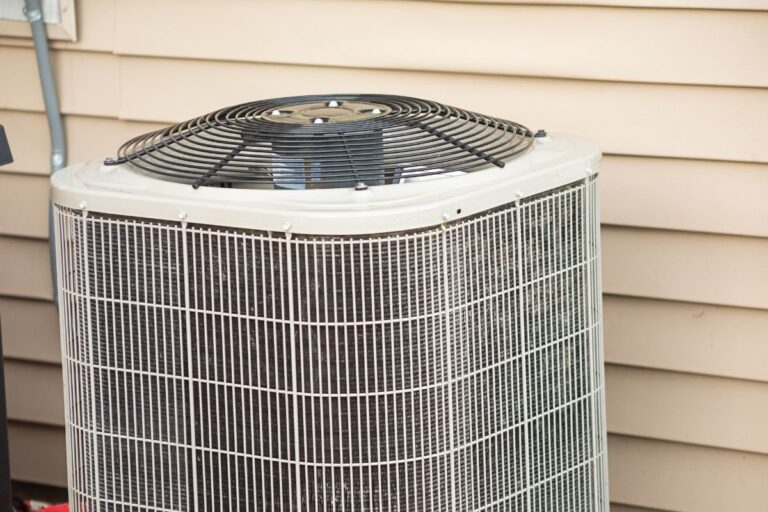
Your outdoor unit (also called the condenser unit or outside unit of an AC system) plays a crucial role in releasing heat. But if the condenser coils are covered in dirt, debris, or leaves, the cooling process becomes inefficient, and your system will blow warm air. A quick rinse with a garden hose can often help, but extremely dirty evaporator coils or condenser coils may require skilled technicians.

4. Low Refrigerant Levels or a Refrigerant Leak

Your AC relies on refrigerant lines, expansion valve, or orifice tubes to maintain the cooling cycle. If you have low refrigerant levels or a refrigerant leak, your system can’t absorb heat, resulting in hot air coming from the vents. Potential signs include: This is not a DIY fix; only a professional HVAC technician can repair the leak and recharge the refrigerant without causing further damage.

5. Electrical Problems: Blown Fuses, Faulty Wiring, & More

Your AC may blow warm air due to electrical system problems, including: These problems can stop the outdoor AC unit from running while the indoor blower fan continues pushing warm air through the return vents. If your outside unit isn’t running, check your electrical panel. If the breaker trips repeatedly, call an HVAC technician immediately to avoid potential damage.

6. Compressor Malfunctions

When the compressor in your condenser unit fails, the AC can’t complete the cooling process. Compressor malfunctions are considered major issues and can stem from: This type of problem nearly always requires professional AC repair.

7. Duct Leaks Affecting Your Cooling Cycle

Damaged or disconnected ductwork allows cool air to escape and pulls hot air from attics or crawl spaces into your system. Duct leaks are another common culprit behind inefficient cooling, especially in older homes. If rooms feel uneven or you hear strange noises from your ducts, schedule a duct inspection.

8. Condensate Drain Problems or Excess Water

A clogged condensate drain can cause excess water buildup and trigger safety switches that shut down parts of your system. When the indoor units stop cooling, you may only feel warm air being pushed through.

9. Blower Fan or Blower Motor Failures

If the blower fan or blower motor isn’t performing properly, your AC may fail to push cool air through your home. This means parts of the cooling system may be running, but you still feel warmer air.

10. Complex Issues in Specialized HVAC Systems

Certain systems, like a geothermal heat pump, may blow warm air when specific components fail. These complex issues require diagnostics from technicians familiar with these systems.

When to Call a Professional HVAC Technician

If you’ve checked the easy items, like filters or thermostat settings, and still ask, “Why is my AC blowing warm air?”, it’s likely time for expert help. A professional HVAC technician can: There are many possible reasons your AC may be blowing warm air, ranging from a dirty filter to electrical issues to a failing compressor. Fortunately, a combination of good habits, like HVAC maintenance, keeping filters clean, and monitoring your cooling cycle, can prevent many common issues before they start. If you’re still unsure why your AC is blowing warm air, don’t wait; contact a qualified technician to diagnose the root cause and get your home back to cool, comfortable temperatures.
Southwest Florida is known for its warm temperatures, abundant sunshine, and a lifestyle that encourages outdoor activities year-round. While this makes it an ideal place to live, it also means that residents often encounter common allergens in Florida homes that can impact indoor air quality and comfort. From mold spores to dust mites, pollen from trees, grasses, and weeds, pet dander, and even insect debris, allergy sufferers face a variety of indoor allergens that circulate constantly. Fortunately, your air conditioner and HVAC system, when properly maintained and equipped with HEPA filters or other air purifiers, can make a long way toward reducing allergen levels and creating a safe haven inside your home.

Florida’s Humid Environment and Allergy Challenges

Florida’s warm temperatures and humid environment provide the perfect conditions for many allergens to thrive. Mold growth is common in damp areas such as bathrooms, kitchens, and around air conditioning units. Dust mites thrive in bedding, upholstered furniture, and carpets. Pet dander from dogs, cats, and other animals can remain suspended in the air, contributing to constant exposure for allergy sufferers. Outdoor allergens like pollen are also a significant concern. Tree pollen allergies peak during spring, while grass pollen and weed pollen dominate pollen season in summer and fall. Flower pollen and queen palm pollen are additional primary producers of allergens that can infiltrate homes even during the winter months. High humidity levels and persistent warmth create an ideal environment for mold allergies and dust mites, making indoor air quality management essential.

How Your AC System Supports Indoor Air Quality

Your air conditioner and HVAC system are central to controlling indoor allergens. A well-maintained system not only keeps your home comfortable during warmer temperatures but also helps manage humidity levels, reducing mold growth and dust mite populations. Installing high-efficiency filters or HEPA filters ensures that indoor allergens such as pollen, mold spores, and pet dander are trapped before they circulate through your home. Air purifiers can complement your AC system to further reduce allergen levels. Regular maintenance, including changing air filters, cleaning ducts, and monitoring humidity levels, plays a critical role in maintaining a personal safe haven for your family while minimizing constant exposure to indoor allergens.

Common Indoor Allergens in Southwest Florida

Homeowners in SWFL experience a variety of allergens throughout the year. Understanding the different allergens can help in maintaining indoor air quality:

Seasonal Allergens and Air Quality

Southwest Florida experiences different allergens at different times of the year, creating what many describe as a never-ending allergy season.

Optimizing Your AC System for Allergens

Homeowners can take several steps to reduce allergens indoors and improve indoor air quality:
  1. Use High-Efficiency Filters: HEPA or MERV-rated filters capture pollen, dust mites, mold spores, and pet dander.
  2. Change Filters Regularly: Prevent clogged filters from allowing indoor allergens to circulate.
  3. Schedule Regular Maintenance: Professional HVAC inspections keep your system running efficiently and reduce mold growth in ducts and drip pans.
  4. Monitor Humidity Levels: Keep humidity between forty and fifty percent to reduce dust mites and mold growth.
  5. Install Air Purifiers: Whole-home or portable units can complement your AC system to trap additional allergens.
  6. Seal Ductwork: Properly sealed ducts prevent unfiltered air from circulating indoors.
These steps, combined with a properly maintained AC system, help homeowners create a personal safe haven from constant exposure to indoor allergens while supporting indoor air quality. Read More: Air Filter vs Air Purifier: Key differences and key benefits

Professional Help for Indoor Air Quality

Your air conditioner and HVAC system are essential tools in controlling indoor allergens. Consulting experts on indoor air quality can reduce persistent symptoms caused by constant exposure, maintain a safe haven indoors, and enjoy long-term relief from indoor allergens. By taking steps to maintain your AC system, control humidity levels, and filter indoor air effectively, your home becomes a comfortable environment even during Florida’s peak allergy season. Southwest Florida residents can continue to enjoy outdoor activities, warmer temperatures, and the Sunshine State lifestyle without letting indoor allergens compromise comfort and air quality. Contact Dolphin Cooling today to address your indoor air quality concerns.

If you’ve ever wondered why your AC runs constantly in humid weather, you’re not alone. During the summer months, especially on extremely hot days with high outdoor humidity, your air conditioning system has to work longer and harder to keep your home cool and maintain comfortable indoor temperatures. High indoor humidity, humid air, and warm air entering the home can all increase air conditioner cycle times. The good news? Continuous operation is a common issue, and most of the time, there are clear reasons behind it.

Below are the most common reasons your AC unit struggles during peak humidity, and what to do about it.

Why Your AC Runs Constantly in Humid Weather


1. Humid Air Makes Your AC Work Harder

Your AC doesn’t just cool hot air; it also removes moisture. When there’s more than enough humidity in the air, especially when outdoor humidity levels are high, the system runs longer to pull enough moisture from your living spaces. On days with high dew point readings, long run times are normal. If you notice your system runs nonstop, it may simply be battling a humidity problem rather than a mechanical issue. Read more about humidity levels in your home: Is 70% Humidity Too High for a House?

2. Dirty Filters or Poor Airflow

Surprisingly, dirty air filters, a clogged air filter, or general poor airflow are among the main reasons for continuous operation. When filters block airflow, cool air can’t circulate properly through the air handler, duct system, or indoor unit. When airflow drops, your system’s evaporator coil may get too cold, leading to a cold evaporator coil or even ice buildup. This forces your AC to keep running full blast just to hit the set temperature. Always replace your filters every 1-3 months. Clean filters help maintain peak efficiency and reduce energy consumption and energy costs.

3. Low Refrigerant Levels or Refrigerant Issues

If your AC is low on refrigerant or you have a refrigerant leak, the system can’t absorb heat properly. That means your AC keeps running but sends out lukewarm or warm air instead of cooling effectively. Low refrigerant levels are one of the most serious HVAC problems because they point to an underlying issue that requires a qualified technician. This is not a DIY fix, refrigerant issues need professional inspection and possibly emergency service if the home cannot cool at all.

4. A Dirty Evaporator Coil or Dirty Coil

A dirty evaporator coil (or dirty coil) interferes with heat transfer, making it harder for your system to cool the air. When the coil inside the indoor unit can’t absorb heat efficiently, the air that blows out remains too warm. This often leads to the AC running nonstop in an attempt to reach your thermostat set point. Likewise, a dirty condenser coil in your outdoor unit can reduce heat release, forcing longer cycles.

5. Poor Insulation or Duct Issues

If your home, especially older homes or houses with crawl spaces, has poor insulation or duct issues such as leaks or negative pressure, your AC may constantly fight to keep cool air inside while hot, humid air sneaks in. Leaky ducts let conditioned air escape, increasing run time and energy bills. A professional maintenance visit or a professional inspection from HVAC experts can identify these hidden losses.

6. Wrong Thermostat Fan or Thermostat Setting

Your thermostat setting plays a major role in humidity control. If the thermostat fan is set to fan setting “On”, the blower runs continuously, even when the AC isn’t actually cooling. This pushes humid air back into circulation and can increase indoor relative humidity. Switch the fan to “Auto” to avoid recirculating moist air. Also, ensure your set point isn’t unrealistically low for the current outdoor temperature.

7. Oversized System or Standard AC Limitations

An oversized system or an older standard AC may struggle during humid weather. Oversized units cool the air too quickly without removing enough moisture, leaving behind high humidity levels and making the system run more often than expected. Modern variable-speed systems and variable-speed ACs slow down during high outdoor humidity, allowing them to dehumidify longer while staying energy efficient. If your unit is outdated, a new system may better handle your home’s needs.

8. High Indoor Humidity From Outdoor Sources

Everything from open windows to leaky entry points lets humid air inside. If humidity seeps in from crawl spaces, attics, or gaps around doors, your AC will run nonstop trying to keep up. A whole-home dehumidifier is often the best way to maintain comfortable humidity levels, especially on humid days. Read about how high humidity affects your home: The Effects of Humidity in Southwest Florida on Indoor Air Quality

9. Lack of Regular Maintenance

Skipping routine maintenance can cause a long list of issues, dirty coils, poor airflow, duct issues, and more. Annual or twice-yearly checkups keep your system running at peak efficiency, prevent underlying issues, and catch problems before they lead to constant runtimes. A team of experts or a local HVAC technician can tune your system for better energy efficiency and reduced energy consumption.

10. Using the AC Alone to Move Air

Sometimes the AC is doing all the work alone. Adding ceiling fans can help circulate cool air, making the home feel cooler without lowering the thermostat. Using fans can reduce strain on your HVAC system and help maintain comfortable indoor temperatures without forcing the AC into continuous operation.

The First Step Toward Fixing an AC Running Constantly

If you're unsure which underlying issue is causing the AC to run nonstop, the first step is scheduling professional maintenance. A technician can check for: A single HVAC technician visit can restore balance and keep your home cool even during Florida-style humid weather.

Stay Ahead of AC Problems

Understanding why your AC runs constantly in humid weather helps you spot problems early and protect both your comfort and your wallet. Whether it’s a simple fix like clean filters, an airflow restriction, low refrigerant levels, or an oversized system, addressing the issue quickly prevents high energy bills and restores proper cooling. If you’re dealing with this common issue, don’t wait; reach out to Dolphin Cooling HVAC experts for a professional inspection, improved indoor air quality, and a system that runs the way it should. Contact us today.
When your home starts to feel sticky, muggy, or downright uncomfortable, it’s time to check your indoor humidity levels. Many homeowners don’t realize that humidity plays an important role in comfort, health, and even energy efficiency. If you're wondering if 70% humidity is too high for a house, the short answer: yes, it’s more than the optimal humidity level recommended by the Environmental Protection Agency (EPA) and can lead to a variety of potential problems if not addressed quickly.

What Is the Ideal Indoor Humidity Level?

The ideal indoor humidity level for most homes is between 30% and 50%. This relative humidity level means the measure of the amount of water vapor in the air is balanced, there’s not too much moisture or too little. Once your home’s humidity level rises above 60%, the air becomes humid air, which can feel warmer and heavier. At 70%, you’re entering the zone where mold growth, dust mites, and other health issues can thrive. The Environmental Protection Agency warns that excess moisture indoors can lead to potential damage to building materials, furniture, and even your HVAC system over time.

How High Humidity Affects Comfort and Health

When high humidity levels linger for a long time, your body struggles to regulate body temperature. In humid conditions, sweat doesn’t evaporate as easily, which makes it harder to cool off and increases the risk of heat exhaustion or heat stroke, especially during humid summer months. Too much indoor relative humidity can also cause itchy eyes, dry skin, or make respiratory health conditions worse. People with asthma, allergies, or sinus issues may find that humid air triggers symptoms more frequently. And that’s not all, excessive humidity creates an environment for dust mites and mold growth, both of which can lead to health problems and potential damage in your living space. Read more: The Effects of Humidity in Southwest Florida on Indoor Air Quality

Common Causes of High Indoor Humidity

You might be surprised how everyday activities contribute to humidity issues. Hot showers, boiling water at the kitchen sink, or drying clothes indoors all release grams of water vapor into the air. In humid climates or warmer climates, where outdoor dew points are higher, your home can easily accumulate much indoor humidity. If your air conditioner isn’t properly sized or is short cycling, it won’t remove enough moisture from the air. Your HVAC system does more than cool the air, it also dehumidifies it. But when it’s running for short bursts or lacks proper ventilation, the moist air just lingers.

Signs Your Home Has Too Much Humidity

If you’ve noticed condensation forming on exterior walls or windows, a musty smell, or damp spots on ceilings, these are classic signs of too much humidity. Other clues include: If this sounds familiar, it’s a good idea to measure your moisture level with a hygrometer and assess whether you’re dealing with excess moisture.

The Best Way to Control Indoor Humidity

There are simple steps you can take to bring your home’s humidity level back to the best humidity range:
  1. Use your air conditioner efficiently. A well-maintained HVAC system helps remove moist air while delivering cooler air throughout the rest of the house.
  2. Improve ventilation. Install or use extractor fans in bathrooms and kitchens, and open trickle vents on windows when outdoor air isn’t too humid.
  3. Add a whole-house dehumidifier. For persistent humidity issues, an Aprilaire Healthy Air Professional can recommend a whole-house dehumidifier that integrates with your existing system for year-round humidity control.
  4. Avoid adding too much moisture. Cover pots while cooking, take shorter hot showers, and ensure central heating doesn’t create dry air during winter months.
  5. Seal leaks and insulate. Proper ventilation and insulation around exterior walls can prevent excessive humidity buildup and protect your building materials.

Why Humidity Control Is the Most Important Thing for Home Comfort

When you live in an area with high temperatures, controlling your home’s humidity level ensures better energy efficiency and comfort. When the air feels sticky, your air conditioner has to work harder, increasing energy costs. Keeping your relative humidity level in check helps your system cool the air more efficiently, since drier air feels cooler than humid air at the same given temperature. This balance also prevents potential damage to your home and health problems caused by mold, dust mites, or excess moisture.

Should You Open Windows to Lower Humidity?

You might think opening windows helps, but that depends on the outdoor temperature and humidity. On humid days, bringing in outdoor air can make things worse. In humid climates, open windows may let in even more water vapour, raising your indoor relative humidity. Instead, rely on ventilation systems, extractor fans, or a whole-house dehumidifier for reliable results.

When to Call a Professional

If you’ve been battling humidity issues for the past week or longer and can’t seem to balance your indoor air, it might be time to call an HVAC expert. They can evaluate your HVAC system, check for short cycling, and recommend the best way to restore the ideal humidity level in your living space.

The Verdict on Indoor Humidity

So, is 70% humidity too high for a house? Yes, keeping your home at that higher temperature with too much humidity can lead to potential problems. Maintaining the best humidity balance in your home isn’t just about comfort, it’s about protecting your health, your home, and your HVAC system for the long term.
When it comes to cooling your home efficiently, we'll compare two of the most popular choices here: ductless mini-splits vs central AC. Both options have their pros and cons, and the right choice depends on your home’s size, layout, and specific cooling needs. Whether you’re installing a new air conditioner in a new home or upgrading an older system, understanding the main difference between these systems can help you make an informed decision that fits your budget and lifestyle.

Taking a Closer Look: How Each System Works

A traditional central air conditioning system uses a network of ducts to distribute cool air throughout your entire home. A central unit, made up of an outdoor compressor unit and an indoor evaporator coil, works together to push cooled air through ducts hidden in walls, ceilings, and floors. This is a good option for larger homes that already have existing ductwork. In contrast, ductless mini-split systems (also called mini splits or ductless systems) operate without ducts. They consist of an outdoor unit connected to one or more indoor air handlers via refrigerant lines that pass through a small hole in the wall. These indoor units cool specific areas or individual rooms, making them ideal for room additions, older homes without ductwork, or smaller homes where full ducts don’t make sense.

The Main Components

Both central HVAC systems and ductless mini-split systems have similar main components: a compressor, evaporator, and refrigerant, but they deliver cooled air differently.

Efficiency and Energy Consumption

When comparing energy usage, ductless systems often come out ahead. According to the U.S. Department of Energy, ductless mini-splits can reduce energy loss by up to 30% compared to traditional central AC systems, which lose cooled air through leaky ducts. Their higher SEER ratings (seasonal energy efficiency ratio) mean they provide efficient cooling with less energy, helping to lower your energy bills and environmental impact. However, central AC units can still be energy-efficient if your ducts are properly sealed and insulated. Many central air conditioners now feature variable-speed compressors and smart thermostats to optimize energy consumption.

Installation Costs and Long-Term Savings

Ductless mini-split systems generally have a higher upfront cost or initial investment, especially if you’re installing multiple indoor units for a multi-zone system. But they make up for it in the long run with lower energy costs, flexible temperature control, and reduced energy loss. Meanwhile, central HVAC systems may be more affordable initially, particularly in new homes or larger homes that already include ductwork, but they can be more expensive to operate over time due to higher energy consumption and maintenance needs.

Which Is the Better Choice for Your Home?

The best way to choose between a ductless mini-split system and a central air conditioner is to consider your home’s specific needs:

The Bottom Line

Both ductless mini-split systems and traditional central air systems can deliver powerful, cool air and comfort for your living space. Your cooling system should fit your lifestyle, energy savings goals, and specific areas you want to cool. If you’re looking for long-term savings, efficient cooling, and personalized zone control, a ductless mini-split system may be the better choice. But if your home already has duct work and you prefer whole-home comfort from one central unit, a central air conditioning system could be the right choice for you. Whichever system you choose, be sure to consult a trusted HVAC professional to help you design the best way to meet your home’s cooling needs and maximize energy savings for years to come.
If you live in the Sunshine State, you already know the heat can be intense, especially during those long summer months when the air feels heavy and sticky. While the beautiful beaches and sunny days are part of what makes living here great, you might be wondering how Florida heat affects your HVAC system. From high humidity levels to salty air in coastal areas, your cooling system works harder than most parts of the country to keep your home comfortable. Let’s explore the effects of Florida's heat on your HVAC unit, what it means for your energy costs, and what proactive steps Florida homeowners can take to keep their air conditioning running efficiently year-round.

How Florida Heat Affects Your HVAC System

1. The Combination of High Temperatures and Humidity

The combination of high temperatures and Florida’s humidity puts extra strain on your air conditioner. Unlike mild winters in other states, Florida weather means your HVAC unit gets extra use almost all year long. The humid climate makes it harder for your cooling system to remove excess moisture from the air, forcing the evaporator coils to work overtime. Over time, that extra stress can lead to short cycling, refrigerant leaks, and system failure if not addressed through regular maintenance.

2. Extra Strain Equals Higher Energy Bills

When your air conditioning system runs more frequently due to Florida’s unique climate, your energy use and energy consumption naturally increase. The U.S. Department of Energy reports that the average American spends nearly half of their home’s energy costs on heating and cooling, but in hot climates like Florida, that percentage is even higher. If you’ve noticed higher energy bills during the summer temperature peaks, that’s a sign your system may be compensating for poor insulation, dirty air filters, or improper thermostat settings. Keeping your HVAC unit clean and scheduling routine maintenance are simple ways to improve energy efficiency and reduce your energy costs.

3. Moisture, Mold, and Indoor Air Quality

Excess humidity can cause more than discomfort; it can affect your indoor air quality and even your health. In a humid climate, excess moisture promotes mildew growth and allows mold spores to thrive. That’s why many Florida homeowners install a whole-home dehumidifier or air purifiers to reduce health risks and maintain a comfortable indoor environment. If you’ve ever noticed warm air blowing when your cooling system should be delivering cool air, you may have dirty air filters, dirty evaporator coils, or even low refrigerant levels. These are common HVAC issues that can be prevented with regular HVAC maintenance.

4. The Salty Air Factor in Coastal Areas

If you live near the coastal areas, the salty air can corrode electrical components and metal parts of your outdoor unit. This can lead to costly repair needs or even full system failure over time. The good news is that with regular maintenance from a professional technician, you can protect your Florida HVAC system from salt-related damage. Consider using a surge protector as well, since power surges and power outages are common during severe storms and strong winds. These can damage your heat pump, compressor, or other electrical components, issues that are much more expensive than preventive care.

5. Why Regular Maintenance Is a Must in Florida

Because Florida’s heat is relentless, regular HVAC maintenance is essential. During routine maintenance, HVAC experts will inspect your refrigerant levels, clean evaporator coils, replace dirty filters, and check for refrigerant leaks. These steps not only extend the life of your system but also help maintain energy efficiency and keep your home at the right temperature. It’s also a good idea to upgrade to a programmable thermostat or smart thermostat, which allows you to adjust thermostat settings automatically for cooler months or summer months. Smart technology helps lower energy use without sacrificing a comfortable temperature indoors.

6. Weather Conditions and Outdoor Units

Florida’s weather conditions, from heavy rain to severe storms, can take a toll on your outdoor unit. Keeping it clear of debris, leaves, and dirt helps maintain airflow and prevent overheating. If your HVAC system is located near exterior doors, be mindful of how hot air or humid air might enter when doors are open frequently, as that can cause your air conditioner to work even harder. Installing shading or a barrier around your outdoor unit can also help minimize extra stress caused by direct sunlight exposure, one of the biggest issues in the Sunshine State.

Modern HVAC Systems Are Built for the Challenge

The good news is that modern HVAC systems are designed to handle the unique challenges of Florida’s climate. Many HVAC experts recommend systems that include whole-home dehumidifiers or advanced filtration to combat excess humidity. These features help reduce mildew growth, improve indoor air quality, and keep your air conditioning system running smoothly through even the most humid summers. If you’re considering replacing an older system, investing in one rated for energy efficiency and built for hot climates is the best move. A professional technician at Dolphin Cooling can help you choose a Florida HVAC system that meets your home’s needs and lowers your energy consumption.

Stay Cool and Proactive

Living in Florida means embracing the sunny days, beautiful beaches, and yes, the Florida heat. But it also means taking proactive steps to care for your HVAC system so it can handle the combination of high temperatures and Florida’s humidity year after year. By keeping up with regular maintenance, checking your refrigerant levels, and upgrading to a smart thermostat, you can prevent costly repair issues, lower high energy bills, and enjoy a comfortable indoor environment no matter how hot it gets outside. If you’re not sure where to start, schedule a tune-up with Dolphin Cooling. A well-maintained air conditioner not only improves comfort but also ensures your home stays efficient, healthy, and ready for another season in the Florida climate.
Your thermostat plays a pivotal role in how your HVAC system performs and how much you spend on energy bills every month. When comparing Smart Thermostats vs. Traditional Thermostats, it’s clear that technology has changed the way we control the temperature of our homes. But which option is truly the best choice for your comfort, budget, and lifestyle? Let’s take a closer look at the key differences, features, and potential energy savings of each type.

Traditional Thermostats: The Basics That Still Work

Traditional thermostats, also known as manual thermostats or standard programmable thermostats, have been the go-to option for decades. Their basic function is simple: set the temperature, and your cooling system or home heating will maintain it. While many regular thermostats are affordable and reliable, they often require you to manually adjust the set temperature. This can make it difficult to keep your home’s climate consistent, especially in older homes or during extreme temperatures. Regular programmable thermostats allow for some automation, like scheduling a cooling schedule or heating plan, but they lack remote control and advanced features that make smart thermostats so appealing. If you don’t mind hands-on control and live in a temperate climate, a standard thermostat may still meet your basic temperature control needs. However, you might be missing out on significant cost savings and energy efficiency improvements.

Smart Thermostats: The Modern Solution for Maximum Efficiency

Smart thermostats represent a major leap forward in smart home devices and HVAC system technology. Models like the Nest Learning Thermostat or Honeywell Home smart thermostats use machine learning and motion sensors to adapt to your home’s heating and cooling needs. They can automatically adjust temperature settings based on your schedule, weather conditions, and even whether you’re home or away. One of the biggest advantages is remote access. With a smartphone app and an internet connection, you can control your thermostat from anywhere. Forgot to turn down the air conditioning before heading out? No problem, just open the app and adjust your desired temperature in seconds. Many Wi-Fi-enabled devices also integrate with Google Assistant or other smart technology to respond to voice commands. Some smart models offer energy reports that provide energy usage insights and suggestions for energy conservation. This helps homeowners reduce energy consumption and lower cooling bills. Over time, these smart features can help you cut down on energy costs, shrink your carbon footprint, and increase your home’s overall energy efficiency.

Smart Features That Make a Difference

Today’s smart thermostat features go far beyond basic temperature control. Here are just a few examples of what these smart devices can do: Some models even feature ENERGY STAR® certification, making them a game changer for energy conservation and environmental impact.

Cost Considerations and Installation

There’s no denying that the cost of a new smart thermostat is typically higher than that of basic models. The initial investment can range anywhere from $100 to $300, depending on the brand and features. However, many utility companies offer rebates for installing energy-efficient devices, which can help offset the upfront cost. For best results, consider professional installation services, especially if your system requires a common wire (C-wire) or you’re using heat pumps, radiant floors, or central air. A proper smart thermostat installation ensures the system communicates seamlessly with your home’s heating and cooling system for maximum efficiency.

Making the Right Decision

When it comes to Smart Thermostats vs. Traditional Thermostats, the right decision depends on your lifestyle, budget, and your home’s comfort priorities. If you prefer simplicity and low upfront costs, a regular programmable thermostat might be sufficient. But if you’re looking for greater control, energy usage insights, and long-term cost savings, a smart thermostat is the modern solution you’ll appreciate every day. In the end, smart thermostats don’t just adjust the temperature of your home; they help you create a more comfortable, efficient, and eco-friendly space. For many homeowners, that’s worth every penny of the initial investment.

Ready to upgrade your thermostat?

Our team of experts can help you achieve maximum efficiency and comfort levels year-round. Contact Dolphin Cooling today to schedule your consultation and start saving on your energy bills!

When you live in a place like SWFL, where you need AC year-round, the last thing you want is for your AC to quit on you. That’s why it’s so important to recognize the signs your air conditioner is about to fail before you’re left sweating it out. Whatever the symptoms, catching the warning signs early can save you from expensive repairs, premature system failure, or even a complete system failure.

Common Signs of Failure in Your Air Conditioning System

Your HVAC system works hard to keep your home comfortable. Normal wear and tear can lead to problems over time, especially in SWFL. Here are some common issues to watch for:

Unusual noises or loud noises

If you hear strange noises like banging, grinding, or rattling, it could mean a failing compressor, loose mechanical parts, or an electrical issue that needs prompt attention.

Warm air or lack of cool air

When the AC is blowing warm air, you may have a refrigerant leak, low refrigerant levels, a frozen evaporator coil, or a clogged air filter.

Frequent cycling

If your air conditioner constantly turns on and off, it could signal a problem with the thermostat, the AC compressor, or even the outdoor unit.

Uneven temperatures

A sign of reduced efficiency in older models or dirty coils that restrict airflow.

Foul odor or musty smell

Musty odors often point to mold growth in your indoor air quality system or dirty filters that need changing.

Higher energy bills and energy consumption

Significant increases in your energy costs are often linked to an aging system struggling to keep up.

Frequent repairs

If you find yourself calling HVAC technicians again and again, it may be time to weigh whether HVAC replacement or a new AC is the most cost-effective option.

Common Causes of System Failures

When an air conditioner stops working properly, the underlying problems often come down to a few common causes:

  • Dirty coil or clogged air filter restricting airflow.

  • Low refrigerant levels or an R-22 refrigerant leak in older units. (Since R-22 Freon is phased out, fixing these leaks is often not the most cost-effective option.)

  • Compressor failure or other serious problems in the mechanical parts.

  • Electrical issues that disrupt normal operation.

  • The unit is reaching the end of its life (most AC systems last about 10–15 years).

If your older system is showing these signs, you could face costly repairs that add up quickly, especially in the long run.

Tips to Avoid Costly Breakdowns

The good news is that many system failures can be prevented with proper maintenance and early detection. Here are some ways to extend the life of your AC and avoid unnecessary air conditioner repairs:

  • Schedule regular maintenance: Have professional maintenance done at least once a year before the cooling season.

  • Replace dirty filters: A clogged air filter restricts airflow, increases energy consumption, and hurts indoor air quality.

  • Get a professional inspection: Regular inspection from trained HVAC technicians can catch problems early before they become serious problems.

  • Clean the outdoor unit: Make sure debris isn’t blocking airflow around the condenser.

  • Monitor for unusual sounds or musty odors: Early detection of unusual sounds or musty smells can prevent expensive repairs.

  • Upgrade when needed: If you have an aging system or an older unit that relies on R-22 refrigerant, a new system may be the most cost-effective option for your specific situation.

Should You Repair or Replace?

When faced with frequent repairs, it’s worth asking if it’s time for an upgrade. Especially with uneven temperatures or significant increases in bills, Modern air conditioners and new systems are designed to be more efficient, saving you money on energy costs and giving you a more comfortable home.

If your AC is over 10–15 years old, you’re likely nearing the end of its life. Investing in a new unit or an efficient AC unit could save you from the stress of an entire system failure during the hottest days of the year. Many companies offer a free quote to help you decide.

​Professional Maintenance for Extended AC Life

Knowing the signs your air conditioner is about to fail is the key to avoiding costly repairs and the frustration of a complete system failure. With regular inspection, professional attention, and proper maintenance, you can stay ahead of common AC problems and keep your home’s air cool, clean, and comfortable.

Don’t wait until your air conditioner stops in the middle of the summer months; take action now with professional maintenance or consider upgrading to a new AC so you can enjoy your home without worry. Check out our maintenance plans and contact Dolphin Cooling today to schedule an AC tune-up.

If you’re wondering, does REME HALO remove mold, the short answer is yes, it’s designed to significantly reduce mold spores, surface bacteria, and other airborne contaminants throughout your entire air-conditioned space. As a whole home air purifier, the REME HALO goes beyond standard air filters by producing airborne hydrogen peroxide and friendly oxidizers that replicate the natural UV properties of sunlight to neutralize mold growth and improve indoor air quality.

How the REME HALO Works

The REME HALO air purifier is an in-duct air purifier installed inside the supply plenum of your HVAC system. Unlike traditional UVC light kits that treat only a limited area, the REME HALO distributes its hydro-peroxide plasma through the air conditioning system ductwork so that every cubic inch of air and surface within the living area receives treatment. This continuous operation treats the spread of bacteria, mold, and airborne particulates across your entire home. Key features include:

Mold, Bacteria, and Pathogen Control

Independent lab tests confirm that REME technology is a great disinfectant for combating bacteria today, mold, and even sneeze germs in low level exposures. By releasing airborne hydrogen peroxide, the REME HALO neutralizes airborne particles, airborne bacteria, and surface bacteria, reducing musty odors and the spread of pathogens that contribute to sick building syndrome risks and long-term health problems. Whether it’s commercial applications like fitness centers and living areas with large numbers of people, or home applications where families want cleaner air, this revolutionary system provides healthier indoor environments and measurably better air quality.

Comparing to Other Air Purification Processes

While system filters, ion generators, and traditional UVC light kits help remove some airborne particles, the REME HALO is part of the next generation of IAQ technology. It combines ultraviolet light, advanced catalyst design, and polar ionization to mimic nature’s process of cleaning the fresh outdoor air. The result is a whole home air purification system that reduces chemical odors, sick building problems, and boosts the overall freshness of the air indoors.

Efficiency and Practical Benefits

Because it integrates directly into your duct system, the REME HALO also supports energy efficiency. Cleaner ducted air and reduced airborne contaminants mean your air handler and heating systems don’t have to work as hard, preserving optimal performance while saving on long-term operating costs. And unlike standalone units, REME HALO products work in the entire air-conditioned space, ensuring clean air reaches every room. The simple measure of installing one improves quality of life by reducing chemical odors, mold, and bacteria in your living area.

Who Should Consider REME HALO Units?

With expert technicians handling installation and regular maintenance, REME HALO units ensure better air quality for both home applications and commercial applications.

​Taking Steps for Cleaner Air in Your Home

So, does REME HALO remove mold? Absolutely, it doesn’t just target mold spores, but also combats airborne bacteria, sneeze germs, and airborne particulates, delivering cleaner air, fewer musty odors, and a noticeable improvement in the freshness of the air. By combining the science of ultraviolet light, friendly oxidizers, and advanced catalyst technology, REME HALO delivers the next generation of IAQ technology for both homes and businesses. If you’re serious about healthier air, preventing the spread of bacteria, and improving the overall air quality in your home, investing in a whole home air purifier like the REME HALO is a smart, long-term solution.
If you’ve ever shopped for replacement filters at a hardware store, you’ve probably asked yourself: Are the expensive HVAC filters actually worth it? With so many filter types, fiberglass filters, pleated filters, washable air filters, electrostatic filters, and high-efficiency particulate air (HEPA), the choices can feel overwhelming. And the price difference between a cheap filter and a premium air filter is often dramatic. But does a higher cost really equal better air quality and system performance? Let’s break it down.

The Vital Role of HVAC Air Filters

Your HVAC system plays a vital role in your home’s comfort and indoor air quality. HVAC air filters protect your air conditioner, air handler, and other HVAC equipment from dust, dirt, and airborne particles. They also help improve the quality of the air you breathe. They trap pet dander, mold spores, fine particles, and even smaller particles that can cause respiratory issues, especially for allergy sufferers. However, not all filters are created equal. Filter types vary in efficiency, and the minimum efficiency reporting value (MERV rating) gives you a good indication of performance.

Cheaper Filters vs. Expensive Filters

At the low end, you’ll find fiberglass filters or other cheap air filters. These are often the cheapest filters you’ll see, sometimes just a couple of dollars each. While they do an okay job capturing larger particles like dust and lint, they don’t offer much protection against smaller particles or provide much better air quality. On the other hand, expensive filters, like pleated filters, premium filters, or high-quality filters, have a larger surface area and higher MERV ratings. Some even reach a very high MERV rating or qualify as high-efficiency filters, such as HEPA filters (high-efficiency particulate air). These are designed to trap fine particles like pet dander, pollen, and mold spores. For those dealing with allergies, asthma, or other respiratory issues, pricier filters may be a better choice in the long run.

Energy Efficiency and System Performance

One of the biggest questions homeowners have is whether expensive HVAC filters improve system performance. The truth is, it depends. While higher quality filters and premium air filters capture more particles, they can sometimes cause a pressure drop that restricts air flow. If your cooling system or air conditioner struggles with airflow, this can lead to higher energy bills and reduced system efficiency. That’s why hvac professionals often stress finding the right filter for your residential system. A filter with a higher rating isn’t always the best air filter for home use if it forces your HVAC equipment to work harder. In some cases, cheaper filters may actually support lower energy bills because they don’t restrict airflow as much.

Disposable vs. Washable Filters

When considering cost, think about frequent replacements. Disposable filters (like fiberglass or pleated filters) need to be changed regularly, sometimes every 30 days. Forgetting can leave you with a dirty HVAC filter, a clogged filter, and poor system performance. Meanwhile, washable filters or washable furnace filters may seem like a great money-saving option, but they often don’t do as good a job at capturing smaller particles. That means they might not deliver the cleaner air you want for your residential home.

Can You Use Any Filter With Your AC System?

When choosing an HVAC air filter, it’s important to make sure it matches the power and capacity of your air conditioner. Higher-quality filters with very high MERV ratings or HEPA filters can do a better job of capturing fine particles. But they can also restrict air flow if your residential system isn’t designed for them. This restriction creates extra strain on your air handler and can lower system efficiency. It can also increase energy consumption and even lead to higher energy bills. That’s why it’s crucial to pick the right filter for your specific cooling system. Sometimes a mid-range or standard pleated filter is a better choice than a premium air filter that your AC unit simply isn’t built to handle.

Are Expensive Air Filters Worth It in the Long Run?

So, are expensive HVAC filters actually worth it? The answer depends on your priorities: In the long run, the right balance is key. Choose a high-quality air filter that matches your system’s needs, keep up with regular maintenance, and always replace new filters on time.

Choosing the Right Filter for Your AC System

When it comes to expensive HVAC filters, one size does not fit all. Residential systems vary, and so do your health and budget needs. A cheaper filter might work fine for some homes, while premium air filters are essential for others. The best way to decide? Talk with HVAC professionals who can recommend the best air filter for your air conditioning or cooling system. Because at the end of the day, the question isn’t just whether expensive filters are worth it, it’s whether you’ve found the right filter that balances clean air, system efficiency, and energy costs for your home.